Understanding Dental Crowns: Your Complete Guide to Tooth Restoration
Dental crowns are tooth-shaped caps that cover and protect damaged or weakened teeth, restoring their strength, function, and appearance. If you’re researching dental crowns, here’s what you need to know:
Quick Overview:
- What they are: Custom-fitted caps that cover an entire tooth above the gum line
- When you need one: For cracked teeth, large cavities, after root canals, to cover dental implants, or to improve severely discolored teeth
- Materials available: Porcelain, ceramic, metal alloys, porcelain-fused-to-metal, zirconia, and resin
- How long they last: Typically 5 to 15 years with proper care
- The process: Either a traditional two-visit procedure or a same-day CEREC crown in a single appointment
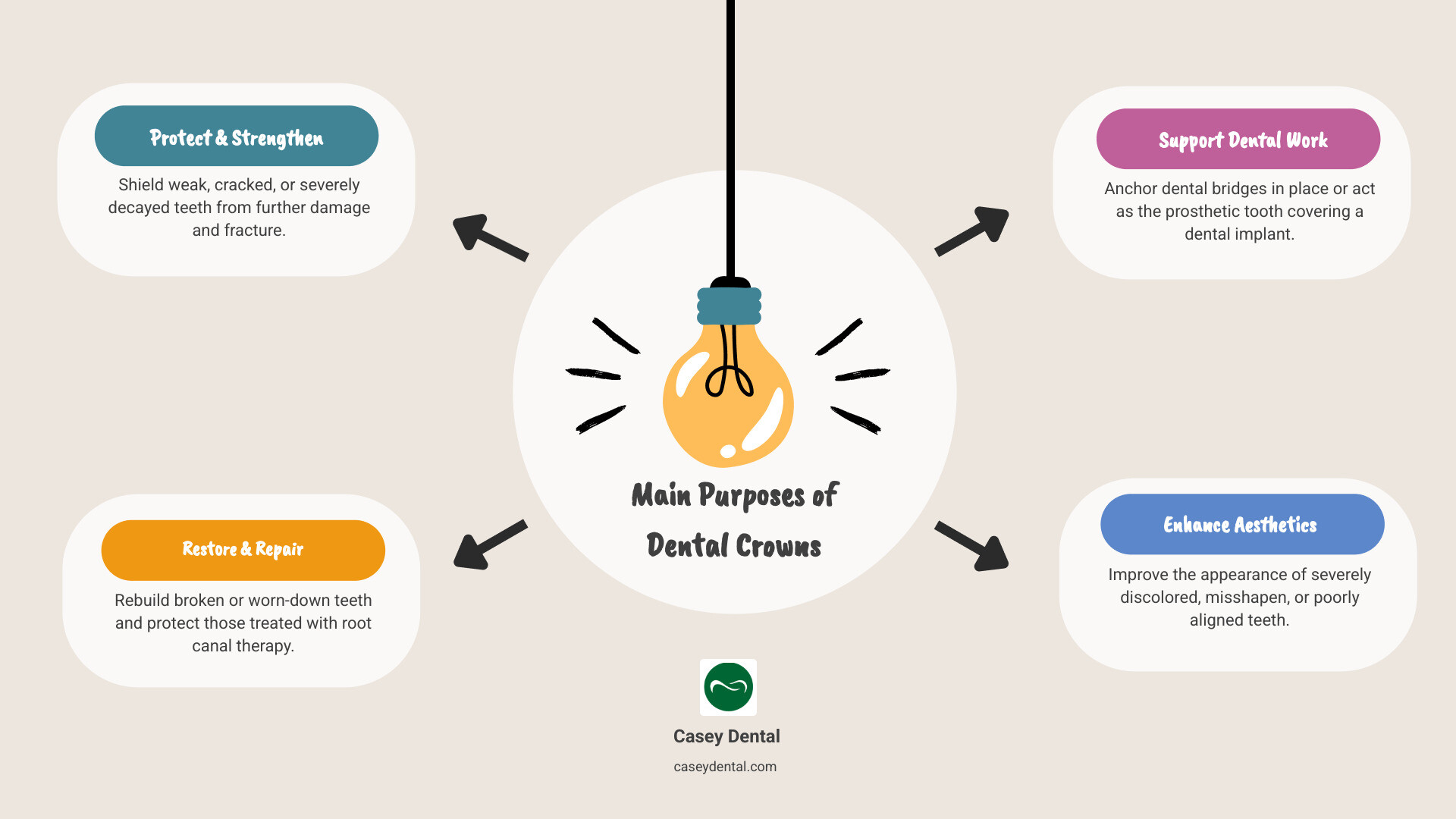
Dental crowns serve both functional and cosmetic purposes. They strengthen teeth that are too damaged for a simple filling, protect teeth after root canal treatment, anchor dental bridges, and cover dental implants. They can also dramatically improve the appearance of misshapen or severely stained teeth.
According to the American Dental Association, crowns are one of the most common restorative dental procedures. They’re designed to look, feel, and function just like your natural teeth—most people won’t even notice you have one.
The good news? Modern dental technology has made getting a crown faster and more comfortable than ever. While traditional crowns require two visits and a temporary crown, advanced CEREC same-day crown technology can create and place your permanent crown in just one appointment.
About the Author
I’m Dr. Shawn Casey, and I’ve been placing dental crowns for over 30 years at Casey Dental in northeast Pennsylvania. Our practice uses state-of-the-art technology including same-day 3D-printed crowns and digital scanning to provide comfortable, efficient dental crown procedures for families throughout Luzerne County. In this guide, I’ll walk you through everything you need to know about dental crowns, from the different types of materials to what you can expect during the procedure.
Types of Dental Crowns: Materials and Their Pros & Cons
When it comes to dental crowns, one of the first decisions we help our patients in Pittston, PA, make is choosing the right material. The best choice for you depends on several factors, including the tooth’s location, your aesthetic preferences, durability needs, and of course, your budget. Each material offers a unique set of pros and cons, ensuring we can find a perfect match for your specific situation.
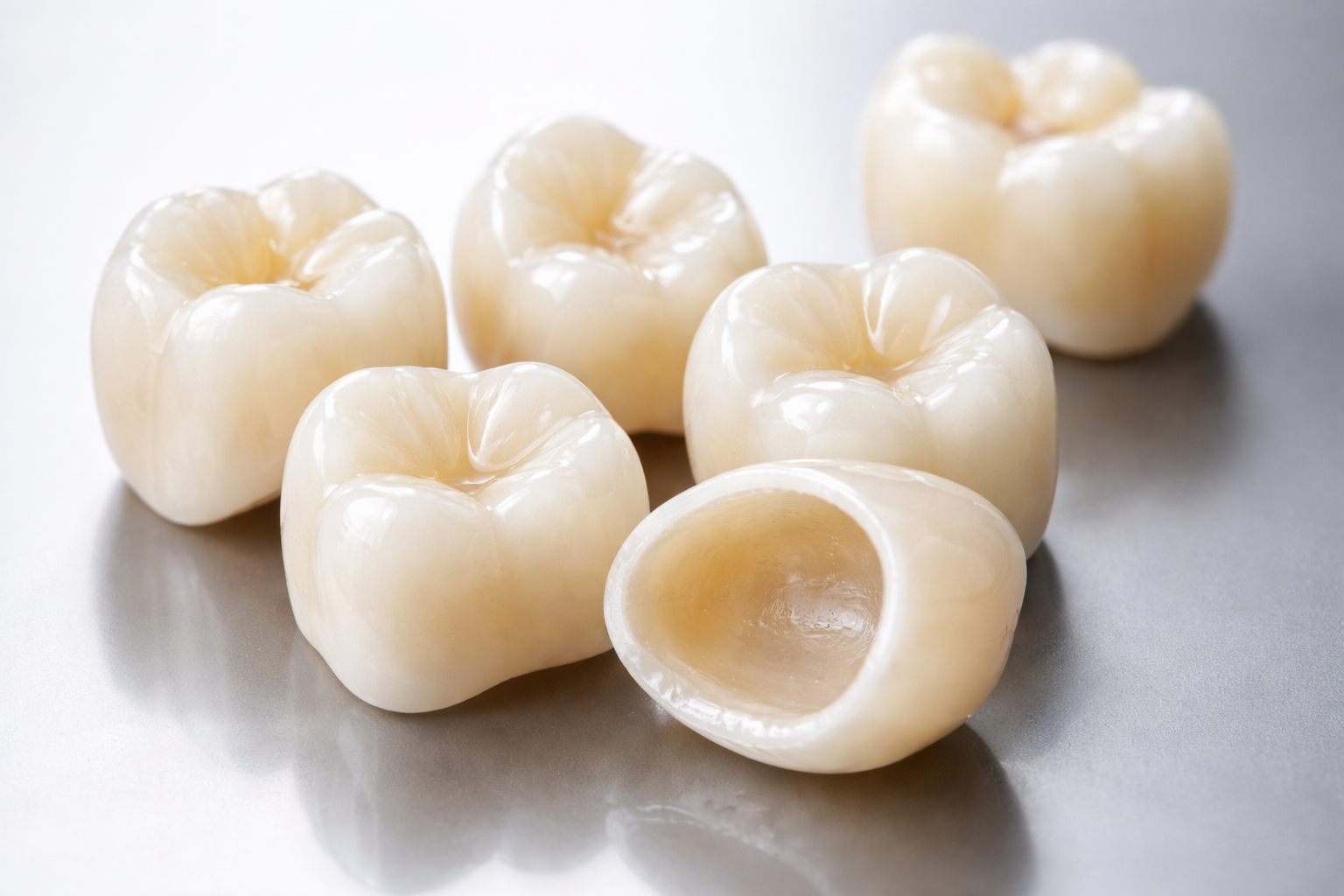
Here’s a breakdown of the most common types of dental crown materials:
| Crown Type | Durability | Aesthetics | Best Use Case |
|---|---|---|---|
| All-Ceramic or All-Porcelain | Good, but can be less durable than metal options | Excellent, mimics natural tooth enamel | Front teeth, patients with metal allergies |
| Porcelain-Fused-to-Metal (PFM) | Strong and durable | Good, but not as natural as all-ceramic | Both front and back teeth where strength and aesthetics are needed |
| Metal Alloy (Gold, Palladium) | Highest strength and durability, very long-lasting | Poor (metallic color) | Back molars where aesthetics are less of a concern |
| Zirconia | Extremely durable and strong | Very good, translucent | Both front and back teeth, especially for strength |
| All-Resin | Less durable, more prone to wear and fracture | Decent, but can stain over time | Temporary crowns, budget-conscious options |
All-Ceramic or All-Porcelain Crowns
These crowns are a fantastic choice for those who prioritize a natural-looking smile. All-ceramic and all-porcelain crowns mimic the appearance of natural tooth enamel more closely than any other crown type. They are also biocompatible, making them an ideal option if you have metal allergies. While their aesthetics are unparalleled, they can sometimes be less durable than their metal counterparts, which is why we often recommend them for front teeth where chewing forces are typically less intense. For more detailed information, you can always refer to a guide to crowns from the American Dental Association.
Porcelain-Fused-to-Metal (PFM) Crowns
PFM crowns offer a blend of strength and aesthetics. They feature a metal substructure for durability, which is then covered with a layer of porcelain to give them a tooth-like appearance. This combination makes them strong and durable, suitable for both front and back teeth. However, one potential drawback is the possibility of a dark line appearing at the gum line, especially if your gums recede over time, revealing the underlying metal. The porcelain layer can also chip, though this is less common with proper care.
Metal Alloy Crowns
When maximum strength and durability are the priority, metal alloy crowns are often the go-to choice. Made from gold, palladium, nickel, or chromium, these crowns are renowned for rarely chipping or breaking and lasting the longest in terms of wear. They are also gentle on opposing teeth, causing less enamel wear over time. Due to their metallic color, we typically recommend these for out-of-sight molars, where their superior strength can handle the heavy chewing forces without compromising your smile’s aesthetics.
Zirconia Crowns
Zirconia crowns have become increasingly popular in recent years, and for good reason. They are extremely durable and strong, capable of withstanding heavier forces than most other ceramic crowns. Beyond their strength, zirconia offers very good aesthetic properties, often with a translucent quality that allows them to blend beautifully with your natural teeth. They are also biocompatible and, similar to metal crowns, are gentle on opposing teeth, contributing to less enamel wear. This makes them a versatile option for various applications, from front to back teeth.
The Dental Crown Procedure: From Traditional to Same-Day
Understanding the process of getting a dental crown can help alleviate any anxieties you might have. At Casey Dental, whether you’re in Scranton or West Pittston, PA, we ensure your comfort throughout the procedure, offering local anesthesia and even sedation dentistry options for our more anxious patients. The journey to a restored smile typically involves either a traditional two-visit approach or, with modern technology, a convenient same-day procedure.

The Traditional Two-Visit Procedure for dental crowns
For many years, the standard for placing a dental crown involved two appointments. Here’s what you can expect during this process:
First Visit: Examination, Preparation, and Temporary Crown
- Initial Assessment: We begin with a thorough examination of the tooth, often using X-rays, to ensure a crown is the most suitable treatment. If there’s significant decay or damage, we’ll address that first.
- Tooth Preparation: We gently reshape the tooth, removing any decay or damaged areas, and making it smaller to create enough space for the crown to fit securely and comfortably over it. This step is crucial for the crown’s stability and longevity.
- Impressions: After preparation, we take precise impressions of your prepared tooth and the surrounding teeth. These impressions, which can be traditional putty or digital scans, are sent to a dental laboratory where your custom permanent crown will be fabricated.
- Temporary Crown Placement: While your permanent crown is being crafted, we’ll place a temporary crown made of acrylic or stainless steel. This temporary cap protects your prepared tooth, prevents sensitivity, and maintains proper spacing until your next appointment. We’ll give you specific instructions on how to care for it, such as avoiding sticky or hard foods.
Second Visit: Permanent Crown Placement
- Removal of Temporary Crown: When you return for your second visit (typically two to three weeks later), we’ll carefully remove the temporary crown.
- Fit and Adjustment: We’ll then check the fit, bite, and color of your new permanent crown. We want to ensure it blends seamlessly with your natural teeth and that your bite feels comfortable and even. Any necessary adjustments are made at this stage.
- Cementation: Once you and our team are satisfied with the crown, we will permanently cement it onto your prepared tooth. This creates a strong, durable bond, completing your restoration!
What are CEREC® Same-Day Dental Crowns?
The evolution of dental technology has brought us the incredible convenience of CEREC® same-day crowns, a service we proudly offer at Casey Dental. This innovative approach allows us to design, create, and place your permanent dental crown in just one visit, eliminating the need for temporary crowns and lengthy waits.
Here’s how this efficient process works:
- Single-Visit Restoration: That’s right—you walk in with a damaged tooth and walk out with a permanent, beautiful crown!
- Digital Scanning: Instead of traditional messy putty impressions, we use advanced digital scanning technology to create a precise 3D model of your tooth. This is much more comfortable for our patients.
- In-Office Design with CAD/CAM Technology: Using Computer-Aided Design/Computer-Aided Manufacturing (CAD/CAM) software, we design your custom crown right here in our office, ensuring it perfectly matches your existing teeth in shape, size, and color.
- On-Site Milling and Placement: Once the design is complete, the CAD/CAM system sends the specifications to an in-office milling machine. This machine then crafts your crown from a high-quality ceramic block while you wait. Once milled, we’ll fit, polish, and permanently bond your new crown to your tooth.
CEREC® same-day crowns are an excellent solution for busy individuals in Lackawanna County and beyond who need a quick, reliable, and aesthetically pleasing restoration. To learn more about this remarkable technology, visit our page on Same Day Crowns (CEREC).
Longevity, Care, and Potential Complications
Once you have your new dental crown, you’ll want to ensure it lasts as long as possible. With proper care, dental crowns typically last between five and 15 years, and sometimes even longer. The longevity largely depends on how well you maintain your oral hygiene and whether you avoid habits that could damage your crown.
How to Care for Your Dental Crowns
Caring for a crowned tooth is very similar to caring for your natural teeth. While the crown itself cannot get a cavity, the tooth underneath and the surrounding gum tissue are still vulnerable to decay and gum disease.
Here are our best tips for maintaining your dental crowns:
- Brush Twice Daily: Use a soft-bristled toothbrush and fluoride toothpaste to clean your crowned tooth and all your other teeth at least twice a day.
- Floss Daily (Carefully!): Flossing is essential to remove plaque and food particles from around the crown’s margins. When flossing around a crown, especially a temporary one, slide the floss out from between your teeth rather than lifting it up. This prevents dislodging the crown. Regular dental cleanings are also crucial to keep your gums and teeth healthy.
- Avoid Chewing Hard Items: Steer clear of extremely hard foods like ice, hard candies, or popcorn kernels, which could chip or crack your crown.
- Protect Against Grinding: If you grind or clench your teeth (bruxism), especially at night, we might recommend a nightguard. This custom-fitted appliance protects your crowns and natural teeth from excessive wear and potential damage.
- Regular Dental Check-ups: Continue to visit us at Casey Dental in Pittston for regular check-ups and professional cleanings. We can monitor the condition of your crown, check for any signs of wear or decay, and ensure your overall oral health is excellent.
Potential Risks and Complications
While dental crowns are generally safe and effective, it’s good to be aware of potential issues that can arise:
- Temporary Discomfort or Sensitivity: It’s common to experience some sensitivity to hot and cold or mild discomfort after the procedure, especially right after the anesthesia wears off. This usually subsides quickly. If you experience prolonged or severe tooth sensitive to hot and cold, please contact our office.
- Chipped Crown: Porcelain or ceramic crowns can sometimes chip, particularly if subjected to excessive force. Small chips can often be repaired, but larger chips may require crown replacement.
- Loose Crown: The cement holding the crown in place can sometimes wash away, causing the crown to become loose. If your crown feels loose, please call us right away, as it could allow bacteria to leak in and cause decay.
- Crown Falling Off: In rare cases, a crown might completely fall off. This usually happens due to insufficient cement or improper fit. If this occurs, try to keep the crown safe and contact us immediately.
- Decay Under the Crown: Although the crown itself is impervious to decay, the underlying tooth structure can still develop cavities at the margin of the crown, particularly if oral hygiene is not meticulous. Regular check-ups help us catch this early.
- Allergic Reaction: While rare, some patients can have an allergic reaction to the metal used in certain types of crowns (e.g., PFM or metal alloys). All-ceramic or zirconia crowns are excellent alternatives for those with known metal sensitivities.
- Dark Line at the Gum Line: With porcelain-fused-to-metal crowns, a dark line may become visible at the gum line if the gums recede. This is a cosmetic concern and not a health risk.
For more comprehensive information on potential issues, you can consult the Cleveland Clinic overview on dental crowns.
Alternatives and Cost of Dental Crowns
While dental crowns are an excellent solution for many dental issues, they aren’t the only option available. We believe in providing our patients with all the information they need to make informed decisions about their oral health. There are several alternatives, depending on the extent of the damage or the specific problem you’re addressing. Understanding the cost involved and how insurance plays a role is also key.
What Are the Alternatives to a Crown?
The best alternative depends on the condition of your tooth and your treatment goals:
- Onlays and 3/4 Crowns: These are sometimes called partial crowns. If a tooth has significant damage but still has enough healthy structure to support a partial restoration, an onlay or inlay might be suitable. They cover less of the tooth surface than a full crown, preserving more of your natural tooth structure.
- Porcelain Veneers: If your primary concern is cosmetic—such as discolored, slightly chipped, or misshapen front teeth—porcelain veneers might be a better choice. Veneers are thin, custom-made shells that cover only the front surface of the tooth, enhancing its appearance without requiring as much tooth reduction as a full crown.
- Large Dental Fillings: For smaller cavities or minor chips, a traditional dental filling (especially tooth-colored composite fillings) can be sufficient to restore the tooth. However, if the decay or damage is too extensive, a filling may not provide enough support, making a crown a more durable option.
- Dental Bridges or Dental Implants: If you’re missing an entire tooth, neither a crown nor a filling will suffice. Instead, we might recommend a dental bridge, which uses adjacent teeth as anchors to support a false tooth, or a dental implant, which is a surgically placed artificial tooth root topped with a crown. Dental implants are often considered the gold standard for tooth replacement due to their stability and longevity.
How Much Do Crowns Cost?
The cost of dental crowns can vary significantly, typically ranging from $800 to $1700 or more per crown, depending on several factors:
- Material: Different materials have different price points. For example, all-resin crowns are generally less expensive but also less durable, while zirconia or all-ceramic crowns can be more costly due to their aesthetic and strength properties.
- Location of the Tooth: Crowns on back molars, which require more strength, might differ in cost from those on front teeth, where aesthetics are paramount.
- Complexity of the Case: If additional procedures are needed, such as a root canal or extensive tooth buildup before the crown placement, this will impact the overall cost.
- Technology Used: Same-day CEREC crowns, while offering immense convenience, involve advanced in-office technology that might be reflected in the price compared to traditional lab-fabricated crowns.
- Geographic Location: Costs can also vary slightly depending on the specific dental practice and region. At Casey Dental, serving areas like Pittston, Scranton, and Luzerne County, we strive to provide transparent pricing for all our services.
Is it Covered by Insurance?
Many dental insurance plans do cover a portion of the cost of dental crowns, especially when they are deemed medically necessary for restoring tooth function (e.g., after a root canal or for a severely fractured tooth). However, coverage can vary widely depending on your specific plan and whether the crown is considered restorative or primarily cosmetic. We always recommend checking with your dental insurance provider to understand your benefits and coverage details. Our team at Casey Dental is also happy to help you steer your insurance claims and provide estimates. For more details, please visit our insurance information page.
Frequently Asked Questions about Dental Crowns
We often hear similar questions from our patients in Northeast Pennsylvania about dental crowns. Here are some of the most common ones:
Does getting a dental crown hurt?
We prioritize your comfort at Casey Dental. The procedure for preparing your tooth and placing the crown is performed under local anesthetic, so you shouldn’t feel any pain during the treatment itself. After the anesthesia wears off, it’s normal to experience some temporary sensitivity or mild discomfort, which can usually be managed with over-the-counter pain relievers. If you experience severe or prolonged pain, please don’t hesitate to contact our office.
Can a tooth with a crown still get a cavity?
Yes, absolutely. While the dental crown itself is made of materials that cannot decay, the natural tooth structure underneath the crown is still susceptible to cavities, especially at the margins where the crown meets the tooth and at the gum line. This is why maintaining excellent oral hygiene—brushing twice a day, flossing daily, and regular dental check-ups—is crucial. Regular cleanings allow us to monitor the crown and the underlying tooth for any signs of new decay.
What should I do if my crown falls off?
If your dental crown falls off, the most important thing is to stay calm and contact our office at Casey Dental immediately to schedule an appointment. We offer emergency dentistry services for urgent issues like this. In the meantime:
- Retrieve the Crown: If possible, carefully pick up the crown.
- Clean It: Gently rinse the crown and your mouth with warm water.
- Store It Safely: Keep the crown in a small, clean container or a plastic baggie. Bring it with you to your appointment.
- Avoid Chewing: Try to avoid chewing on the tooth that lost its crown, as it will be sensitive and vulnerable to further damage.
We will assess the situation and either re-cement your old crown or prepare for a new one if necessary.
Conclusion: Restore Your Smile with Confidence
Dental crowns are a versatile and highly effective solution for restoring teeth that are damaged, decayed, or otherwise compromised. They play a crucial role in strengthening your teeth, improving their function, and enhancing the aesthetics of your smile. From traditional two-visit procedures to the convenience of same-day CEREC crowns, modern dentistry offers high-quality, custom restorations custom to your specific needs.
At Casey Dental, serving communities across Pittston, Scranton, and the wider Luzerne County and Lackawanna County areas, we are committed to utilizing advanced techniques and state-of-the-art technology to provide you with durable and natural-looking dental crowns. Our goal is to ensure your comfort and satisfaction throughout your treatment journey.
If you have a damaged tooth or are considering how a crown could benefit your oral health, we invite you to schedule a consultation with our experienced team. We’ll thoroughly assess your situation, discuss all available options, and help you determine the right treatment plan to restore your smile with confidence. Explore the art and science of restoring smiles with dental crowns with us today.