Why Timing Matters After Your Fluoride Treatment
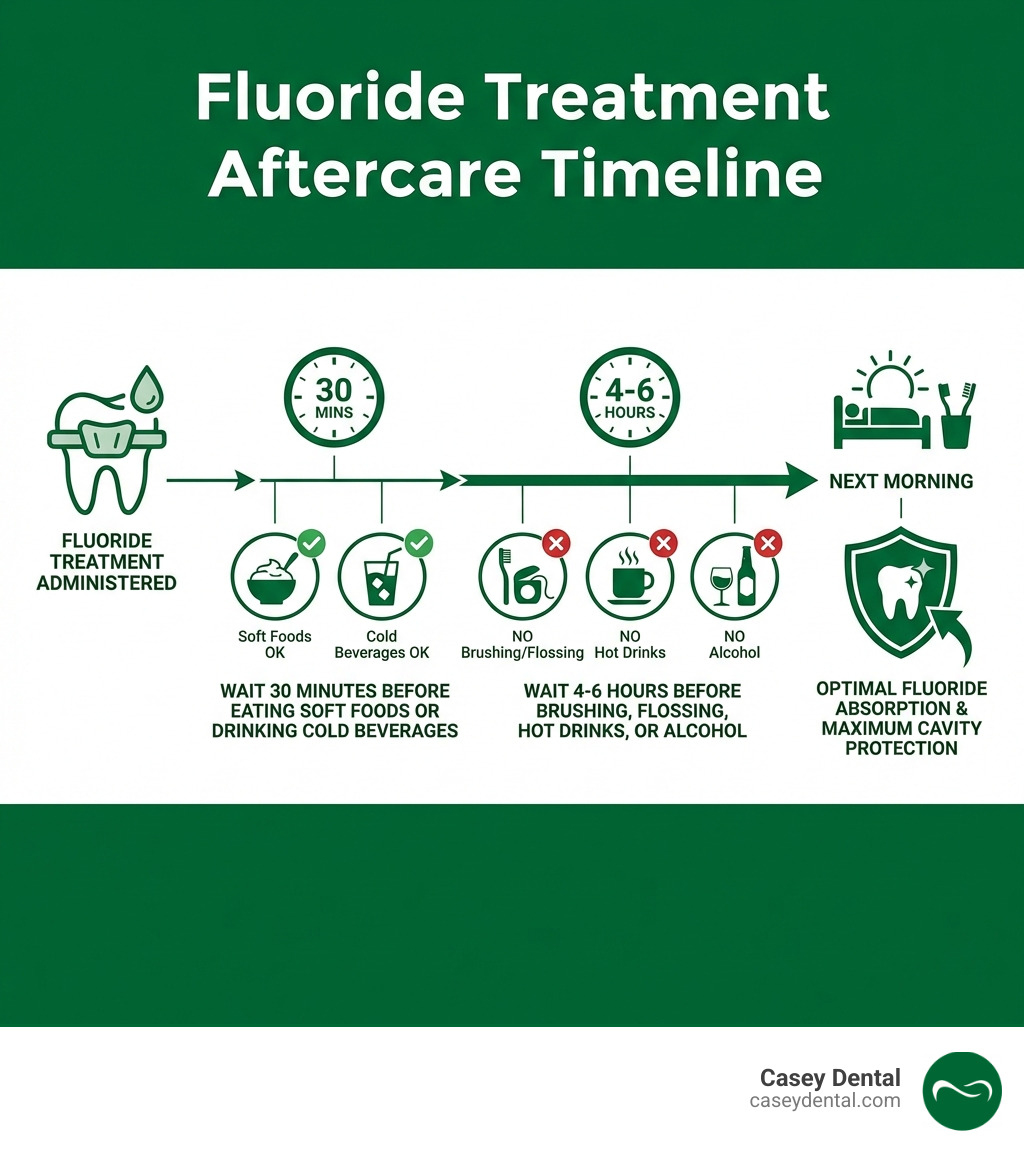
When can I brush my teeth after fluoride treatment? You should wait 4 to 6 hours before brushing your teeth after receiving a fluoride treatment. For best results, many dentists recommend waiting until the next morning to allow maximum fluoride absorption into your tooth enamel.
Quick Reference Guide:
| Activity | Recommended Wait Time |
|---|---|
| Brushing & Flossing | 4-6 hours (ideally until next morning) |
| Eating | 30 minutes minimum |
| Drinking (cold, non-alcoholic) | 30 minutes minimum |
| Hot drinks & alcohol | 4-6 hours |
If you’ve just left your dentist’s office after a fluoride treatment, you might be wondering when you can get back to your normal routine. The waiting period isn’t arbitrary—it’s the time your teeth need to fully absorb the protective fluoride coating that helps prevent cavities and strengthens your enamel.
Many parents in Luzerne County ask me about post-treatment care, especially when their children are eager to eat or brush their teeth right away. The truth is simple: patience pays off. Giving the fluoride time to bond with your teeth makes the difference between a treatment that works and one that gets washed away too soon.
As Dr. Shawn Casey, I’ve been practicing dentistry in northeast Pennsylvania since 1994 and have administered countless fluoride treatments at Casey Dental. Understanding when can I brush my teeth after fluoride treatment is one of the most common questions I hear, and following the proper timeline ensures you get the full benefit of this simple yet powerful preventive treatment.
The “Why” Behind the Wait: How Fluoride Protects Your Teeth
We often talk about fluoride treatments as a routine part of dental care, especially for children and those prone to cavities. But what exactly is fluoride, and why is it so good for our teeth? Fluoride is a naturally occurring mineral found in various rocks and soils, and even in some foods like apples and almonds. It plays a crucial role in strengthening our tooth enamel, which is the hardest substance in the human body.
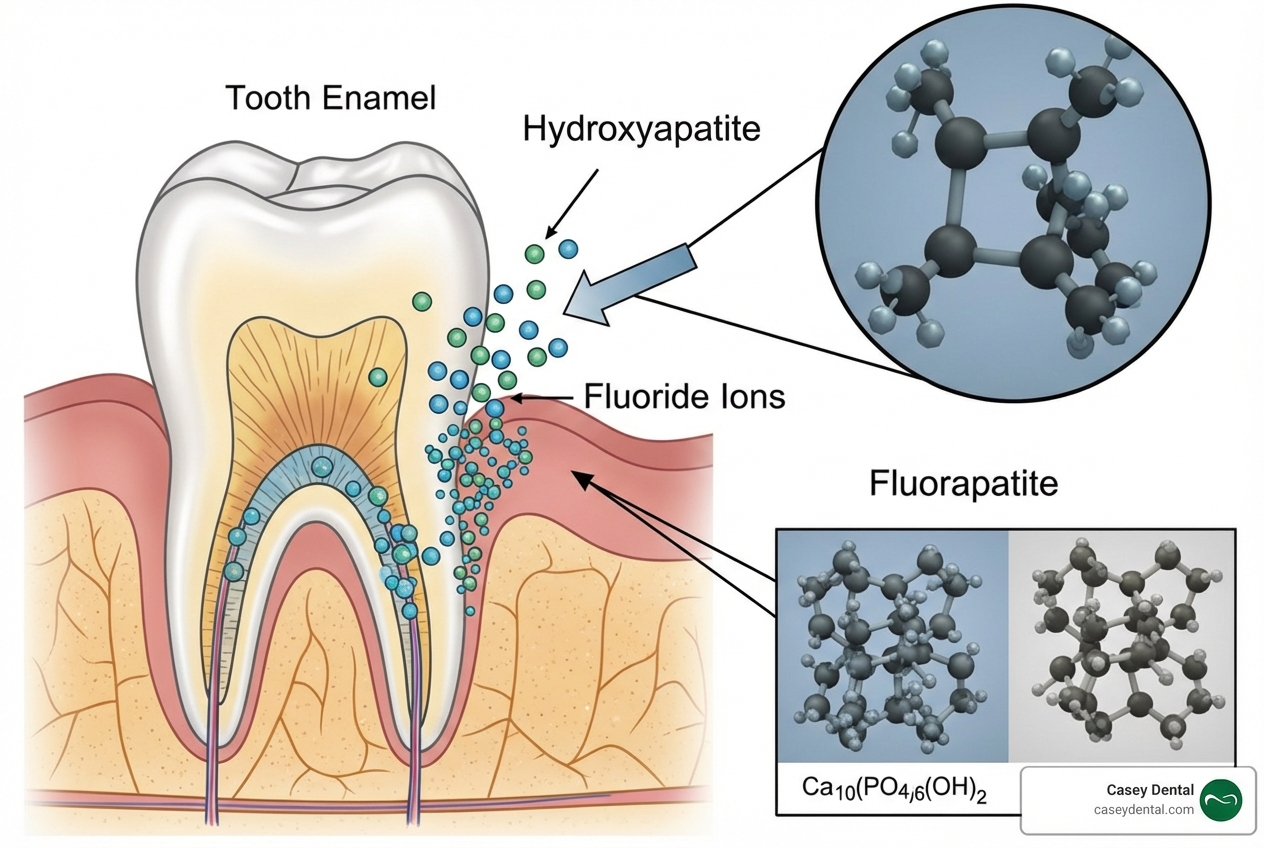
When we receive a professional fluoride treatment, we’re giving our teeth a concentrated dose of this beneficial mineral. The fluoride works by encouraging a process called remineralization. Our teeth are constantly undergoing a cycle of demineralization (loss of minerals) and remineralization (gain of minerals). Acid attacks from plaque-forming bacteria, often fueled by sugary and acidic foods, lead to demineralization, weakening the enamel and making it susceptible to cavities.
Fluoride steps in to strengthen the enamel’s resistance to these acid attacks. It helps replenish lost minerals, effectively reversing early signs of tooth decay and creating a stronger, more acid-resistant surface. This process is vital for preventing cavities and protecting our teeth from erosion. It’s like giving our teeth a superhero shield against the daily assaults they face!
How Brushing Too Soon Affects Fluoride Absorption
Imagine painting a protective coat on a surface; you wouldn’t immediately scrub it off, right? The same principle applies to fluoride treatment. After a professional application, the fluoride needs time to properly bond with your tooth enamel. This bonding process allows the fluoride to be absorbed by the teeth, integrating into the enamel structure and initiating the remineralization that makes your teeth stronger.
If you brush your teeth too soon after a fluoride treatment, you risk physically removing this crucial layer of fluoride before it has had adequate time to work its magic. This can lead to significantly reduced effectiveness of the treatment. Instead of maximizing the benefits of stronger enamel and improved cavity protection, you might inadvertently wash away much of the preventive power. It’s not that brushing too soon is harmful to your teeth directly, but it essentially wastes the treatment, meaning your teeth don’t get the full protective benefit they could have. We want to ensure that every fluoride treatment you receive at Casey Dental provides the maximum possible benefit, which is why following our aftercare instructions is so important.
When Can I Brush My Teeth After Fluoride Treatment? The Golden Rule
So, let’s get down to the brass tacks: when can I brush my teeth after fluoride treatment? The golden rule we advise our patients in Pittston, PA, is to wait 4 to 6 hours before resuming your normal brushing and flossing routine. This waiting period is critical because it allows the fluoride to fully absorb into your tooth enamel and begin its strengthening process.
Many dental professionals, including our team at Casey Dental, often suggest waiting even longer, ideally until the next morning, especially after a fluoride varnish application. This extended waiting time ensures optimal fluoride uptake, giving your teeth the best possible chance to integrate the mineral and maximize its protective effects against decay. We understand that waiting can be inconvenient, but think of it as an investment in the long-term health and strength of your smile!
During this waiting period, you might feel a slight residue on your teeth, which is completely normal, particularly with fluoride varnishes. Resist the urge to brush it away. That residue is actively working to fortify your enamel.

Brushing Guidelines for Different Fluoride Treatments
While the 4 to 6-hour rule is a general guideline, it’s worth noting that specific instructions can vary slightly depending on the type of fluoride treatment you received.
- Fluoride Varnish: This is one of the most common types of professional fluoride treatments, especially for children. It’s painted directly onto your teeth and hardens quickly. For varnishes like FluoriMax™ or Varnish Pen®, our general recommendation is to wait 4 to 6 hours before brushing or flossing. Some varnishes, like Vanish™ White Varnish, even suggest waiting up to 24 hours for maximum fluoride release and absorption. Our team at Casey Dental will always provide you with specific instructions based on the product we use and your individual needs.
- Fluoride Gel or Foam: If you received a fluoride gel or foam treatment (applied in trays), the waiting period for brushing might be closer to the 4-hour mark. These forms often require a shorter contact time in the office but still need time to settle onto the enamel.
- Fluoride Rinse: For professional fluoride rinses, the primary concern is usually eating and drinking, with brushing typically falling under the general 4-6 hour guideline.
The most important takeaway here is to always follow the specific instructions provided by your dentist or dental hygienist at Casey Dental. They will tailor their advice to the exact treatment you received, ensuring you get the most out of your visit.
What if I accidentally brush my teeth too soon after fluoride treatment?
Accidents happen, and it’s a common concern among our patients in Lackawanna County. If you accidentally brush your teeth too soon after a fluoride treatment, don’t panic! The good news is that it’s generally not harmful to your teeth. You haven’t damaged your enamel or caused any negative effects.
However, the primary consequence is that you might have reduced the treatment’s effectiveness. Brushing physically scrubs away some of the fluoride layer before it’s had enough time to fully bond with your enamel. This means your teeth might not receive the maximum protective benefits against cavities and acid erosion that the treatment was designed to provide.
If this happens, simply resume your normal brushing and flossing routine at the appropriate time (after the recommended 4-6 hours or next morning). There’s no need for an emergency visit to our office. Just be mindful for future treatments and try to adhere to the waiting period. If you have any concerns or recurring issues with cavities, always discuss it with us at your next appointment. We’re here to help you achieve and maintain optimal oral health, and sometimes that means adjusting your routine or recommending more frequent fluoride applications.
Complete Aftercare Timeline: Beyond Brushing
Beyond knowing when can I brush my teeth after fluoride treatment, there are other crucial aftercare instructions to follow to maximize the benefits of your fluoride treatment. Think of it as a comprehensive plan to ensure that every bit of that protective fluoride works as hard as it can for your smile. From what you eat and drink to other oral hygiene practices, these guidelines are designed to help the fluoride bond effectively with your tooth enamel. For a more detailed guide on post-treatment eating, check out our article on Can you eat after fluoride treatment? A guide to post-treatment care.
Eating and Drinking: What’s Safe and When
One of the first questions we hear after a fluoride treatment is often about eating and drinking. Our general recommendation at Casey Dental is to wait at least 30 minutes after a fluoride treatment before consuming anything. This initial waiting period allows the fluoride to begin setting on your teeth.
After this initial 30 minutes, you can typically start with soft, mild, and cool foods. Think of things that won’t disrupt the fluoride layer or cause discomfort. Good options include:
- Yogurt
- Mashed potatoes
- Bananas
- Smoothies
- Cooked vegetables
- Rice or pasta
- Oatmeal
- Soups (lukewarm, not hot!)
- Hard-boiled eggs
However, certain foods and drinks should be avoided for a longer period, typically 4 to 6 hours, especially after a fluoride varnish:
- Hot Drinks: Beverages like coffee or hot tea can soften the fluoride layer and potentially wash it away. It’s best to wait at least 4-6 hours.
- Alcohol-containing beverages: Alcohol can interfere with the fluoride’s setting process. Avoid these for several hours.
- Acidic Foods and Drinks: Citrus fruits (oranges, lemons, grapefruits), sodas, and other acidic items can erode the newly applied fluoride.
- Sugary Foods: Candy, sugary drinks, and other sweet treats can fuel the bacteria that the fluoride is trying to protect against.
- Crunchy or Hard Foods: Chips, nuts, or hard candies can physically chip away at the fluoride layer.
- Sticky Foods: Caramel, taffy, and other sticky items can pull the fluoride off your teeth.
- Extremely Cold Foods: While cold drinks are generally okay after 30 minutes, extremely cold items like popsicles might be best avoided for a few hours if you have any sensitivity.
If you received a fluoride varnish, you can usually sip lukewarm water gently almost immediately after the appointment. However, if you received a fluoride rinse, we recommend waiting at least 30 minutes before drinking anything, even water, to allow the concentrated fluoride solution to work.
By following these simple dietary guidelines, you’re giving the fluoride the best chance to do its job and protect your smile effectively.
Other Oral Hygiene to Avoid
Beyond brushing and flossing, there are a few other oral hygiene practices that we recommend you avoid for a specific period after your fluoride treatment:
- Mouthwash: Just like brushing, using a mouthwash too soon can rinse away the beneficial fluoride layer. This is especially true for alcohol-based rinses, which can be harsh and disrupt the fluoride’s adherence. We advise avoiding all mouthwashes for at least 4-6 hours after treatment, or even longer, as per your dentist’s specific instructions. Some sources even suggest avoiding over-the-counter fluoride-containing mouthwash for at least six hours.
- Flossing: While flossing is an essential part of your daily routine, it should be avoided for the same 4-6 hour period as brushing. The mechanical action of flossing can dislodge the fluoride, particularly if a varnish has been applied.
- Waterpik or other oral irrigators: These devices use a stream of water to clean between teeth and below the gumline. While excellent for regular cleaning, their forceful action can also remove the fluoride too soon. We recommend refraining from using a Waterpik for the same 4-6 hour window after treatment.
- Other Fluoride Products: Some sources suggest avoiding other over-the-counter fluoride products (like high-fluoride toothpaste or rinses) or even prescription fluoride medications for a few days to prevent excessive fluoride intake and allow the professional treatment to work optimally without interference. Always check with our team at Casey Dental for specific guidance on this.
The key here is to give the fluoride an undisturbed environment to bond with your enamel. Once the recommended waiting period has passed, you can happily resume all your normal, excellent oral hygiene practices.
Frequently Asked Questions about Fluoride Aftercare
We know you might have more questions about caring for your teeth after a fluoride treatment. Here are some of the most common inquiries we receive at Casey Dental, along with our expert answers.
How long should I wait to brush my teeth after fluoride varnish?
Fluoride varnish is one of the most effective forms of professional fluoride treatment we offer, especially for protecting against cavities in children and adults. It’s specifically designed to stick to your teeth and release fluoride over time. Therefore, it’s crucial to give it ample opportunity to do its job.
The standard recommendation for fluoride varnish is to wait 4 to 6 hours before brushing your teeth. However, for maximum absorption and to ensure the varnish fully bonds with your enamel, we often suggest waiting until the next morning to resume your brushing and flossing routine. This extended period allows the fluoride to deeply penetrate and strengthen your tooth structure, providing the best possible protection.
What are the risks of brushing too soon after fluoride treatment?
The primary risk of brushing too soon after a fluoride treatment isn’t that you’ll harm your teeth in any way. Instead, the main concern is that you will significantly reduce the treatment’s effectiveness.
When you brush, the physical action scrubs away the applied fluoride layer before it has had sufficient time to bond with and strengthen your enamel. This means that the beneficial remineralization process is interrupted, and your teeth won’t receive the full protective benefit against acid attacks and cavities. Essentially, you’re diminishing the value of the preventive treatment you just received. While it won’t cause damage, it means you’re not getting the most out of your investment in your oral health.
Is fluoride varnish safe for children?
Yes, absolutely! Fluoride varnish is widely recognized as a safe and highly effective method for preventing tooth decay in children. Dental professionals worldwide, including our team at Casey Dental, use it routinely. The American Academy of Pediatrics supports its use, noting that dentists apply only a tiny, controlled amount directly to the teeth. This varnish hardens quickly on contact, significantly minimizing the chance of a child swallowing it.
In fact, children can receive their first fluoride treatment as soon as their first tooth erupts, and routine applications can continue to be beneficial throughout childhood and into adulthood. It’s a minimally invasive and painless procedure that provides a strong defense against cavities, which are a major concern for developing teeth. We believe it’s a crucial part of preventive dental care for kids here in Pittston, PA, and surrounding areas.
Maximize Your Treatment: Final Tips and Next Steps
We hope this guide has thoroughly answered your question, “when can I brush my teeth after fluoride treatment?” and clarified why following aftercare instructions is so vital. To recap, the general rule of thumb is to wait 4 to 6 hours before brushing or flossing, and often, waiting until the next morning is even better for optimal absorption. Remember to also be mindful of what you eat and drink during this crucial period, sticking to soft, cool, and non-acidic options, and avoiding hot beverages and alcohol.
By simply exercising a little patience and adhering to these aftercare guidelines, you’re actively contributing to the long-term health and strength of your teeth. Fluoride treatments are an economical and effective preventive approach that can significantly decrease the need for more involved and costly dental procedures down the road. They play a key role in strengthening enamel, stopping erosion from acidic foods, and promoting remineralization to prevent cavities.
At Casey Dental, we are committed to providing award-winning, comprehensive dental services to families across Pittston, Luzerne County, and all of Northeast Pennsylvania. Our team uses cutting-edge technology and focuses on your comfort to ensure you receive the highest quality care. If you have further concerns about fluoride treatment or are due for your next application, we’re here to help.
Don’t wait to protect your smile! Schedule your next Fluoride Treatment with us at Casey Dental today. We look forward to seeing you!