
When a Tooth Infection Can’t Wait: Dental Abscess Care in Pittston
If you need dental abscess treatment in Pittston, PA, here’s what you should know right away:
Quick Answer: How is a dental abscess treated?
- Diagnosis — Your dentist examines the tooth and takes digital X-rays to confirm the infection.
- Drainage — The abscess is opened and drained to relieve pressure and remove pus.
- Antibiotics — Prescribed to clear the bacterial infection, especially if it has spread.
- Root canal therapy — Infected pulp is removed, the tooth is cleaned and sealed to save it.
- Tooth extraction — Used as a last resort when the tooth cannot be saved.
- Follow-up care — A crown or filling restores the tooth’s function after treatment.
Important: A dental abscess is a medical emergency. Do not wait. If you have facial swelling, fever, or severe pain, call your dentist immediately.
A dental abscess is a painful pocket of pus caused by a bacterial infection inside or around a tooth. Left untreated, that infection doesn’t stay put — it can spread to your jaw, neck, and even your bloodstream. In fact, studies show that approximately 1 in 2,600 Americans are hospitalized each year due to dental infections. The pain alone is hard to ignore, but the hidden dangers make prompt treatment even more critical.
If you’re in the Pittston area and dealing with throbbing tooth pain, swelling, or a bad taste in your mouth, this guide will walk you through everything you need to know — from recognizing the signs of an abscess to understanding your treatment options right here in Luzerne County.
I’m Dr. Shawn Casey, founder of Casey Dental in Pittston, PA, with over 30 years of experience providing emergency dental care — including dental abscess treatment in Pittston, PA — to families throughout the region. Whether it’s a same-day urgent visit or a planned root canal, my team is here to help you get out of pain fast and protect your long-term oral health.
Similar topics to dental abscess treatment pittston pa:
What is a Dental Abscess and When is it an Emergency?
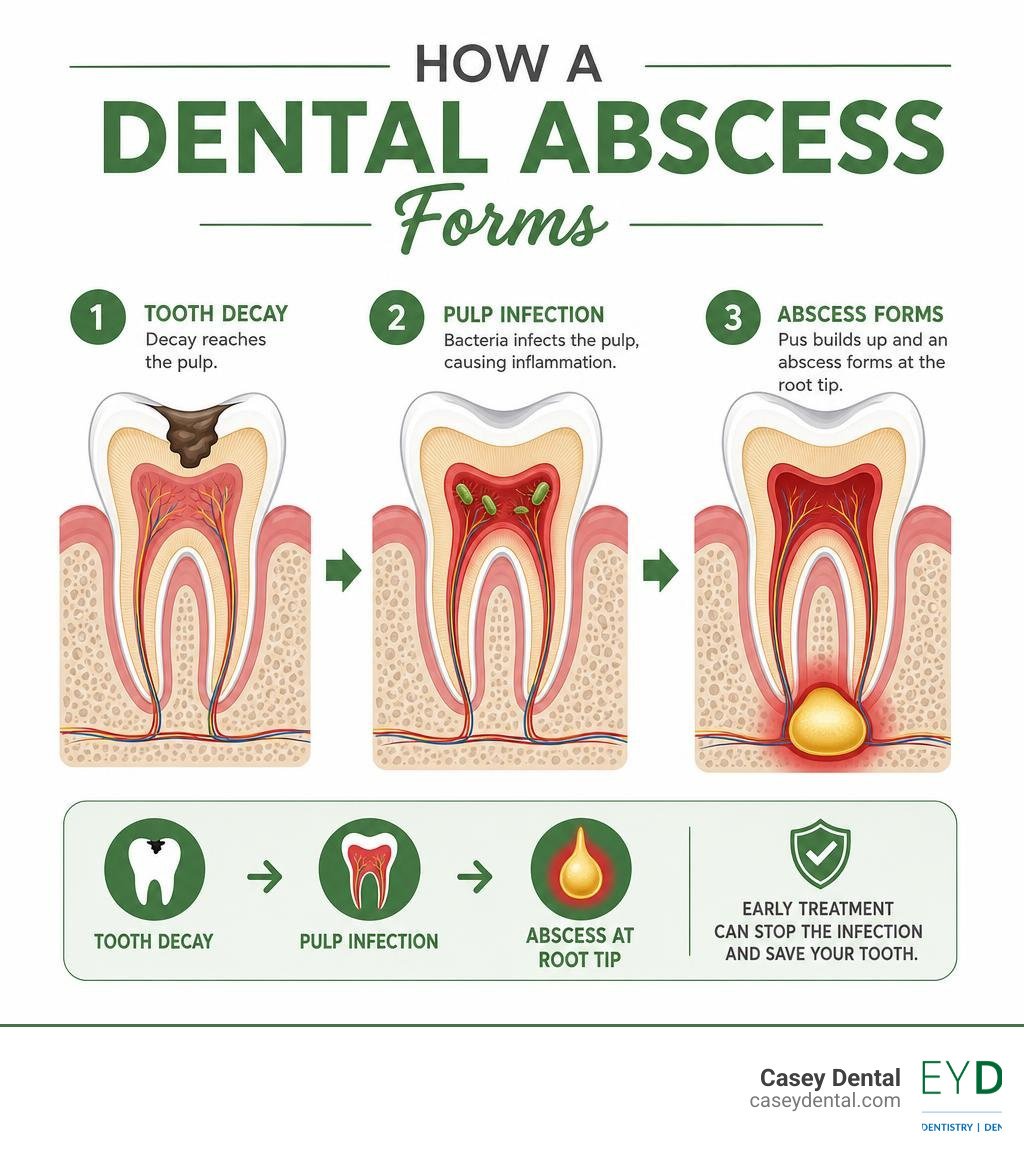
A dental abscess is a localized collection of pus that develops as a result of a bacterial infection. This is not your run-of-the-mill sensitive tooth; it is a serious, progressive infection that starts inside the tooth’s soft center—known as the pulp—and spreads to the surrounding tissues and bone.
Bacteria can find their way into this delicate area through several entry points:
- Deep Tooth Decay: When a cavity is left untreated, it eats through the protective enamel and dentin layers, allowing bacteria to invade the pulp chamber.
- Cracked or Chipped Teeth: Physical trauma can create micro-fractures, giving bacteria a direct pathway to the tooth’s nerve.
- Severe Gum Disease: Periodontal infections can destroy the supporting bone and tissue, creating deep pockets where bacteria thrive and form periodontal abscesses.
When bacteria multiply inside the confined space of the tooth’s root canal system, your immune system rushes white blood cells to fight the invaders. This battle creates pus, which builds up and has nowhere to go. The resulting pressure causes agonizing, throbbing pain.
Is a dental abscess a true emergency? Yes, absolutely. In the United States, dental abscesses account for approximately 3% of all emergency department visits related to dental issues. Because the oral cavity is highly vascularized and sits close to vital structures in your face, neck, and head, a spreading dental infection can quickly escalate from a painful nuisance to a life-threatening medical emergency.
Common Symptoms of a Dental Abscess in Pittston, PA
Recognizing the symptoms of an abscess early can mean the difference between saving your tooth and requiring a surgical extraction. If you live or work in Pittston, PA, keep an eye out for these classic warning signs:
- Severe, Persistent, Throbbing Toothache: This pain is often described as relentless and may radiate to your jawbone, neck, or ear. It usually keeps you awake at night and does not respond well to over-the-counter pain relievers.
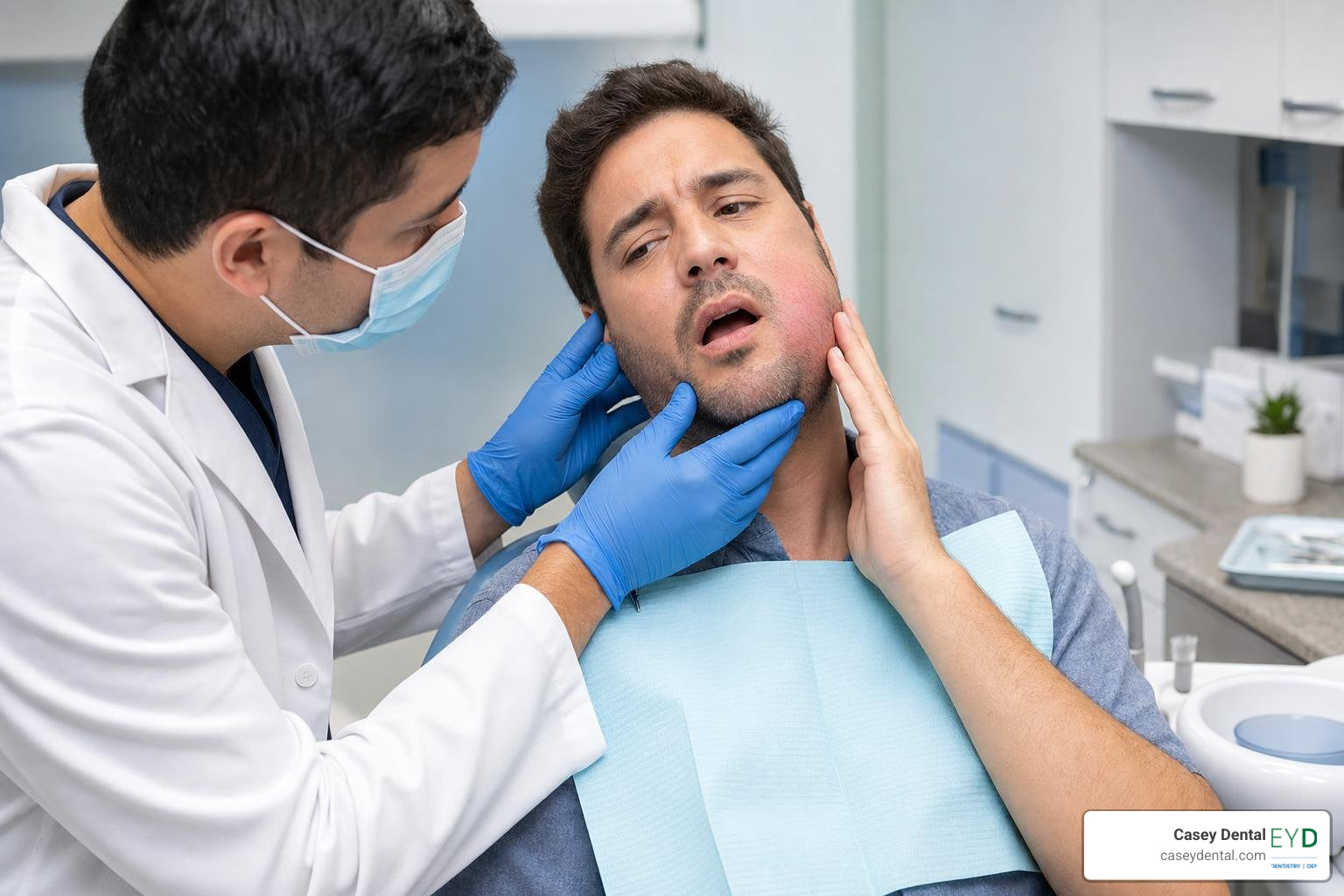
- Facial, Cheek, or Jaw Swelling: Visible swelling on the outside of your face or inside your mouth along the gum line is a major indicator that the infection has broken through the bone and is spreading into soft tissues.
- Fever and General Malaise: A rising body temperature is your body’s systemic warning signal that it is actively fighting off a severe bacterial infection.
- Extreme Sensitivity to Hot and Cold: While mild sensitivity is common, an abscessed tooth will often ache for several minutes after exposure to temperature changes.
- A Foul Taste and Odor: If the abscess ruptures on its own, you may experience a sudden rush of salty, bad-tasting fluid in your mouth, followed by temporary pain relief. However, this does not mean the infection is gone.
- Difficulty Swallowing or Breathing: This is a critical symptom indicating that swelling is beginning to compromise your airway.
If you are experiencing any of these symptoms, you should not wait for your next routine cleaning. To learn more about identifying urgent oral health issues, read our detailed guide on emergency dental care what you need to know.
Risks of Leaving a Dental Abscess Untreated
It is a dangerous misconception to think that a tooth infection will eventually go away on its own. Even if the throbbing pain suddenly stops, it usually means the nerve inside the tooth has died—but the bacteria are still active and multiplying.
Leaving a dental abscess untreated can lead to severe, systemic complications, including:
- Sepsis: The infection can enter your bloodstream, leading to a life-threatening systemic inflammatory response that can cause organ failure.
- Ludwig’s Angina: This is a rapidly spreading, severe cellulitis of the floor of the mouth and neck. The swelling can become so intense that it blocks your airway, requiring emergency hospitalization and intubation.
- Osteomyelitis: The bacterial infection can spread directly to the surrounding jawbone, causing bone loss and deterioration that may require surgical removal of infected bone.
- Brain Abscess or Endocarditis: Bacteria from the mouth can travel through the bloodstream to infect the lining of your heart valves (endocarditis) or cross into the brain tissue.
The statistics surrounding untreated dental infections are sobering. While modern dentistry has made deaths from toothaches rare, mortality rates are still reported as high as 1 in 10,000 cases in severe, untreated infections that lead to deep neck space infections. If you suspect an infection, check out our resource on Pittston emergency dental care to understand why every second counts.
Professional Dental Abscess Treatment Pittston PA
When you visit us for dental abscess treatment in Pittston, PA, our primary goals are to eliminate the infection, relieve your pain, and preserve your natural tooth whenever possible.
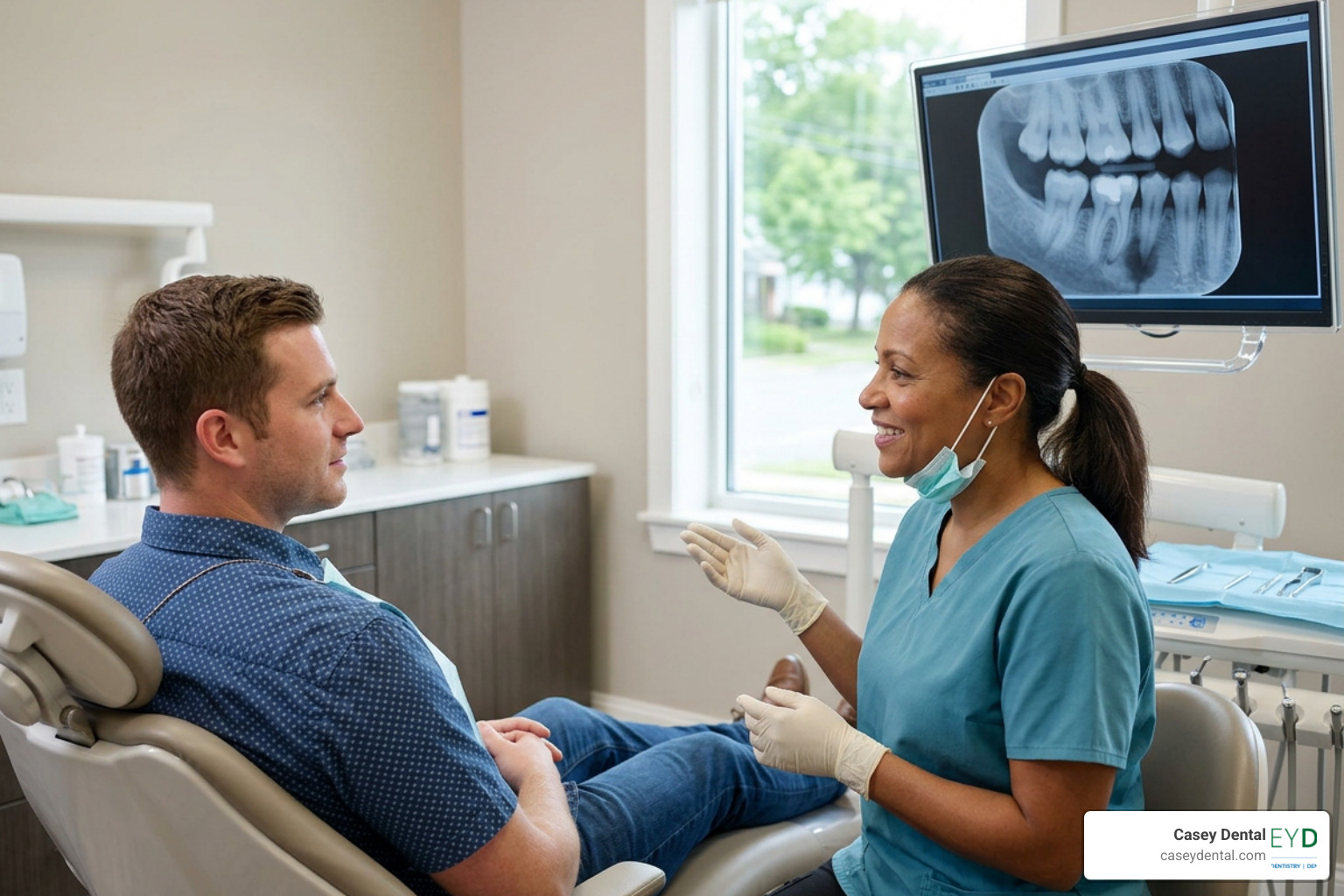
Our comprehensive diagnostic process begins with a gentle physical examination and digital X-rays. Digital radiography allows us to visualize the bone surrounding your tooth roots, pinpointing the exact location and size of the infection.
Once we have mapped out the infection, we prioritize your comfort. We use advanced local anesthesia techniques to completely numb the area before beginning any treatment. The standard clinical approach to treating a dental abscess includes:
- Incision and Drainage: If the abscess has formed a visible bump on your gums (often called a gum boil), we may make a small incision to allow the trapped pus to drain. This instantly relieves the painful pressure.
- Infection Control: We thoroughly flush the area with sterile saline or antibacterial solutions to clean out the diseased tissue.
- Antibiotic Therapy: If the infection has spread to your face, jaw, or caused a fever, we will prescribe a targeted course of oral antibiotics to help your body eliminate the remaining bacteria.
Root Canal Therapy for Dental Abscess Treatment Pittston PA
Whenever possible, we want to save your natural smile. Root canal therapy is the most effective and common method used to treat an abscessed tooth while preventing the need for an extraction.
Despite their historical reputation, modern root canals are straightforward, highly successful, and virtually pain-free thanks to state-of-the-art anesthetics and technology. During the procedure:
- We create a small access opening in the crown of the tooth.
- We carefully remove the infected, dead, or inflamed pulp tissue from inside the root canals.
- Using specialized instruments, we clean, shape, and disinfect the interior chambers of the tooth.
- We fill and seal the clean canals with a biocompatible material called gutta-percha.
- Finally, we seal the access opening. Because a root canal deprives the tooth of its blood supply, the remaining structure becomes brittle over time. To restore its strength and function, we will place a permanent dental crown over the treated tooth.
To learn more about how we keep you comfortable during urgent procedures like this, explore our dedicated page on emergency dentistry.
Tooth Extractions as a Last Resort for Dental Abscess Treatment Pittston PA
While we always strive to preserve your natural teeth, there are times when the infection has caused too much structural damage or bone loss for the tooth to be saved. In these cases, a tooth extraction is the safest and most effective option to halt the spread of infection.
If an extraction is necessary:
- We ensure the tooth and surrounding tissues are fully numbed so you feel only mild pressure, not pain.
- After the tooth is gently removed, we thoroughly clean the socket to remove all infected tissue.
- We will provide you with detailed recovery instructions, such as keeping gentle pressure on a gauze pad to protect the blood clot, avoiding straws, and sticking to soft foods like yogurt or mashed potatoes.
Once you have healed, we can discuss permanent replacement options—such as dental implants or bridges—to restore your smile’s function and appearance. Read more about what to expect during this process on our tooth extractions page.
Cost, Insurance, and Prevention of Dental Infections
Understanding the financial side of dental care is important, especially during an emergency. The cost of dental abscess treatment in Pittston, PA varies widely depending on the severity of the infection, which tooth is affected (molars have more root canals than front teeth), and whether the tooth can be saved.
To help you understand the typical financial landscape of these treatments, we have compiled a comparison table based on regional averages:
| Treatment Type | Estimated Regional Cost Range (Before Insurance) | Key Recovery/Follow-Up Requirements |
|---|---|---|
| Emergency Exam & Digital X-Rays | $100 – $250 | Initial diagnosis and treatment planning |
| Incision & Drainage | $150 – $350 | Often performed alongside other procedures |
| Root Canal Therapy (Front Tooth) | $700 – $1,100 | Requires a permanent filling or crown |
| Root Canal Therapy (Molar) | $1,000 – $1,600 | Highly recommended to place a protective crown |
| Simple Tooth Extraction | $200 – $450 | Requires replacement option (implant/bridge) |
| Surgical Tooth Extraction | $400 – $750 | Necessary for broken or severely decayed teeth |
Most dental insurance plans cover a significant portion of emergency exams, X-rays, extractions, and root canal therapies. However, coverage levels vary. Our front office team is highly experienced in navigating insurance benefits, and we will work directly with your provider to maximize your coverage and minimize your out-of-pocket costs.
If you have early-stage decay, addressing it now with simple dental fillings is much more cost-effective than waiting for an abscess to develop.
How to Prevent Dental Abscesses at Home
The absolute best way to handle a dental abscess is to prevent it from ever forming. By maintaining a robust oral hygiene routine at home, you can keep harmful bacteria at bay:
- Brush Twice a Day: Use a soft-bristled toothbrush and fluoride toothpaste. Focus on brushing gently along the gum line where plaque accumulates.
- Floss Daily: Brushing only cleans about 60% of your tooth surfaces. Flossing is essential to remove plaque and food debris from between your teeth where cavities often start.
- Rinse with an Antibacterial Mouthwash: This helps reduce the overall bacterial load in your mouth and protects your gums.
- Visit Us Every Six Months: Regular cleanings and exams allow us to spot tiny cavities or early gum disease before they turn into painful, expensive infections.
Frequently Asked Questions About Emergency Dentist Services in Pittston
Do you offer same-day appointments for abscess treatment?
Yes, we absolutely do. We understand that a dental abscess causes excruciating pain that cannot wait for a scheduled opening. We reserve dedicated emergency slots in our daily schedule specifically to accommodate patients in urgent need of relief. If you are experiencing severe pain or swelling, please call us immediately so we can get you in as quickly as possible. For more tips on navigating urgent situations, check out our local guide to finding an emergency dentist in Pittston.
Can the ER treat a dental abscess?
A hospital emergency room is generally not equipped to provide definitive dental treatments. While an ER doctor can write you a prescription for pain medications or antibiotics to temporarily manage the infection, they cannot perform root canals or extractions. To truly cure a dental abscess, you must see a licensed dentist who can eliminate the source of the infection. However, if you are experiencing severe swelling that makes it difficult to breathe or swallow, you should go to the nearest emergency room immediately.
Is a root canal painful?
No. Modern root canal therapy is no more uncomfortable than receiving a standard dental filling. The pain associated with a root canal actually comes from the untreated infection itself, not the procedure. Before we begin, we use local anesthetics to completely numb the tooth and the surrounding tissues. Once the anesthetic takes effect, the pressure and pain of the abscess are instantly relieved, allowing for a comfortable and quiet treatment experience.
Conclusion
A dental abscess is a serious health issue that requires immediate, professional attention. At Casey Dental, we are proud to offer award-winning, comprehensive emergency dental services right here in Pittston, PA. Our state-of-the-art office is fully equipped with the latest diagnostic and treatment technologies to ensure that your visit is as quick, painless, and effective as possible.
We serve families of all ages across Luzerne County with a warm, compassionate touch. To learn more about our commitment to patient comfort and high-quality outcomes, read about the Pittston dental experience we provide. You can also prepare for your post-treatment home care by browsing the specialized hygiene products available in our patient store.
If you are dealing with throbbing tooth pain, facial swelling, or suspect you have a tooth infection, do not wait for the problem to get worse. Contact us today to schedule your emergency appointment and let us help you get back to smiling comfortably.