When a Toothache Becomes a Crisis: Knowing What Counts as a Dental Emergency
Understanding what counts as a dental emergency can be the difference between saving a tooth and losing it permanently — or in the most serious cases, between a manageable problem and a life-threatening one.
Quick answer: Here is how dental problems break down by urgency:
| Urgency Level | Examples | Action |
|---|---|---|
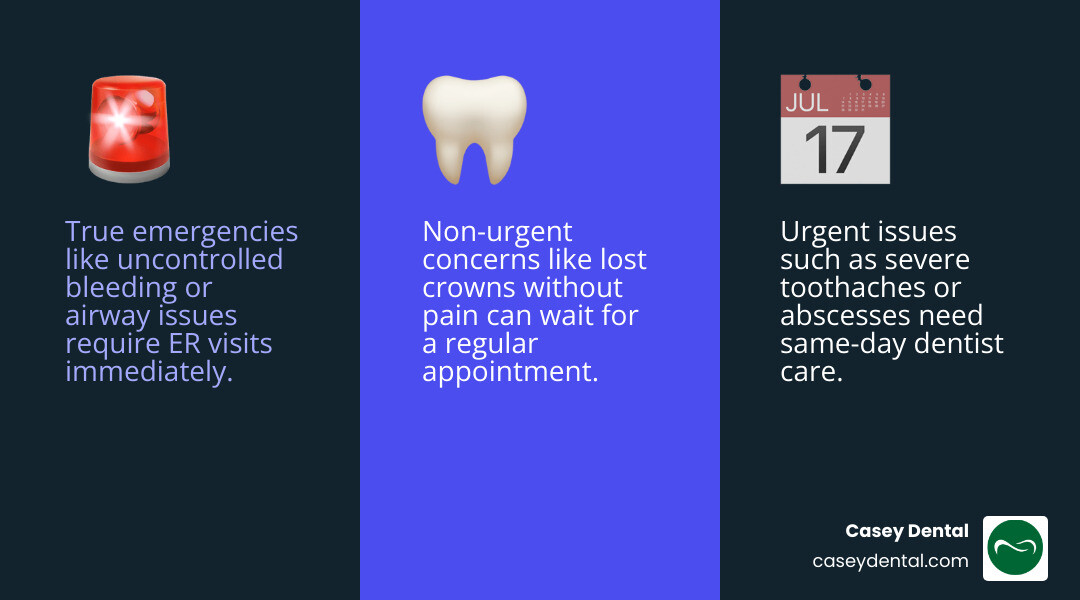
| True Emergency | Uncontrolled bleeding, facial swelling affecting breathing, jaw fracture | Go to ER immediately |
| Urgent Care | Severe toothache, knocked-out tooth, dental abscess, broken tooth with pain | Call your dentist now — same day |
| Can Wait | Lost crown (no pain), minor chip, routine cleaning overdue | Schedule a regular appointment |
Most dental problems fall into one of these three categories. Knowing which category your situation fits into helps you act fast — and act right.
A lot of people hesitate when something feels wrong with their teeth. They wonder: Is this bad enough to call the dentist after hours? Should I go to the ER? Can it wait until Monday? That uncertainty can cost you a tooth — or more.
The American Dental Association (ADA) defines true dental emergencies as conditions that are potentially life-threatening, requiring immediate treatment to stop uncontrolled bleeding, relieve severe infection, or address trauma to the face and jaw. Urgent dental issues — like a knocked-out tooth or a painful abscess — are not always life-threatening, but still need same-day attention to prevent things from getting much worse.
This guide cuts through the confusion and gives you a clear, practical framework for deciding what to do next.
I’m Dr. Shawn Casey, DMD, founder of Casey Dental in Pittston, PA, with over 30 years of experience helping northeast Pennsylvania families navigate everything from routine checkups to true dental crises — including situations where patients weren’t sure what counts as a dental emergency until it was nearly too late. In the sections below, I’ll walk you through exactly how to assess your situation and take the right steps.
What Counts as a Dental Emergency? Official Definitions
To understand what constitutes a true emergency, it helps to look at the clinical guidelines established by leading dental authorities. According to the ADA.org: What Constitutes a Dental Emergency? framework, a dental emergency is defined as a condition that is potentially life-threatening and requires immediate treatment to:
- Stop ongoing, uncontrolled tissue bleeding.
- Alleviate severe, debilitating pain or systemic infection.
- Address acute trauma involving the facial bones, especially when it compromises the airway.
When we evaluate patients under these guidelines, we look at the immediate risk to your overall systemic health. A simple broken filling, while annoying, does not threaten your life or your long-term health if it waits a few days. However, a bacterial infection that starts in a tooth and spreads to the floor of your mouth or your neck is a completely different story.
As we outline in our guide on Emergency Dental Care: What You Need to Know, distinguishing between these levels of severity is the first step toward getting the right care at the right time.
True Dental Emergencies vs. Urgent Dental Care
While the terms “emergency” and “urgent” are often used interchangeably in casual conversation, clinical guidelines draw a firm line between them. This distinction is crucial because it determines whether you should head straight to a hospital emergency department, call our after-hours emergency line, or wait until normal business hours to schedule an appointment.
| Category | Clinical Description | Action Required | Examples |
|---|---|---|---|
| True Dental Emergency | Potentially life-threatening; high risk of systemic infection, severe blood loss, or airway blockage. | Immediate medical attention (ER or emergency surgical clinic). | Uncontrolled bleeding, facial bone trauma, cellulitis affecting breathing or swallowing. |
| Urgent Dental Care | Non-life-threatening but requires prompt treatment (usually within 24 hours) to save a tooth, stop severe pain, or prevent systemic spread. | Contact your dentist immediately for a same-day or next-day appointment. | Knocked-out (avulsed) permanent tooth, localized dental abscess, severe toothache, tooth luxation (displaced tooth). |
| Non-Urgent / Routine Care | Minor issues that do not present immediate risks of infection, severe pain, or tooth loss. | Schedule a routine visit during normal business office hours. | Lost filling, minor chipped tooth (no pain), loose crown, routine cleaning, mild sensitivity. |
Making these determinations requires clinical triage and professional judgment. When you contact a dental office or an unscheduled care service, a trained professional will ask targeted questions to evaluate your symptoms. This structured approach to Dental Emergencies ensures that patients who need immediate, hands-on intervention receive it, while preserving critical emergency room resources for those in life-threatening situations.
Life-Threatening Situations: What Counts as a Dental Emergency Immediately
A true, life-threatening dental emergency is rare, but when it happens, every minute counts. These situations involve conditions that can rapidly compromise your airway, lead to massive blood loss, or allow a severe infection to travel to vital organs like your heart or brain.
The primary indicators of a life-threatening dental emergency include:
- Airway Compromise: If you experience swelling in your face, jaw, or neck that makes it difficult to breathe or swallow, this is a medical emergency. This is often caused by cellulitis — a rapidly spreading bacterial infection in the deep soft tissues of the face or neck.
- Uncontrolled Bleeding: Bleeding from the mouth due to trauma or post-surgical complications that does not stop or slow down after applying direct, firm pressure with clean gauze for 15 to 20 minutes.
- Severe Facial Trauma: Fractures or severe displacement of the facial bones, jaw, or eye sockets due to a car accident, a hard fall, or sports-related impact.
If you or a loved one experiences any of these symptoms, do not wait for a dental office to open. Go straight to the nearest hospital emergency room. For a deeper look at how to navigate these high-stress moments, read The Ultimate Guide to Finding an Emergency Dentist.
Urgent Dental Care: Conditions Requiring Prompt Attention
Urgent dental care conditions are those that are not immediately life-threatening but still require professional intervention within 24 hours. Delaying treatment for these issues can lead to permanent tooth loss, severe nerve damage, or the development of a dangerous systemic infection.
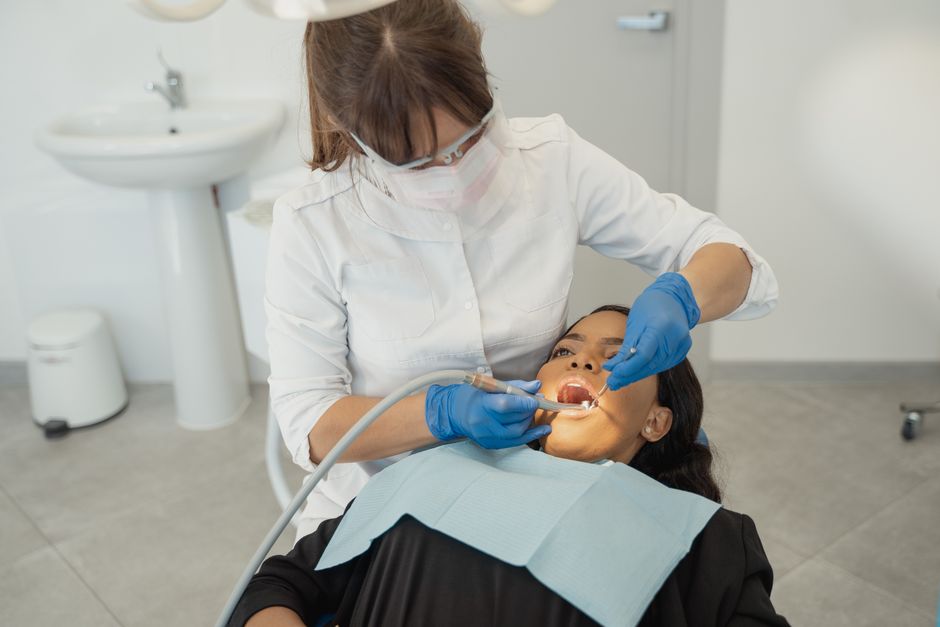
Key conditions requiring urgent dental care include:
- Knocked-Out (Avulsed) Permanent Tooth: A permanent tooth that has been completely knocked out of its socket is a major urgency. The delicate periodontal ligaments holding the tooth in place begin to die quickly. As noted by the American Association of Endodontists, a knocked-out tooth has the highest chance of successful reimplantation if it is treated by a professional within 1 hour of the injury.
- Dental Abscess: An abscess is a localized pocket of pus caused by a bacterial infection at the root of a tooth or in the gums. Symptoms include throbbing pain, localized swelling, a pimple-like bump on the gums, and a foul taste. Never attempt to pop or drain a dental abscess yourself. This can push the infection deeper into your surrounding facial tissues.
- Severe, Unrelenting Toothache: Severe pain caused by pulpal inflammation (pulpitis) that does not respond to over-the-counter pain relievers. This type of pain often indicates that the nerve inside the tooth is dying or infected. If you are struggling with intense pain, read our advice on How to Find Emergency Tooth Pain Relief.
- Tooth Luxation or Displacement: A tooth that has been pushed sideways, forward, or backward out of its normal alignment due to trauma. Immediate professional repositioning is required to save the blood supply to the tooth.
- Pericoronitis: Severe inflammation and infection of the gum tissue surrounding a partially erupted tooth, most commonly a third molar (wisdom tooth).
Non-Urgent Dental Issues That Can Wait
It is completely natural to feel anxious when something goes wrong with your teeth. However, many common dental issues are actually non-urgent. While they may cause some mild discomfort or aesthetic concern, they can safely wait for a scheduled appointment during regular business hours without risking permanent damage.
According to the Overview of Dental Emergencies – Dentistry – Merck Manual Professional Edition, routine or non-urgent dental procedures are explicitly distinguished from urgent care. These include:
- Routine dental cleanings and examinations.
- Aesthetic or cosmetic procedures (such as teeth whitening or veneer consultations).
- Restorative treatment of asymptomatic dental caries (cavities that are not causing pain).
- Extraction of asymptomatic teeth (such as wisdom teeth that are not actively hurting or infected).
- Minor orthodontic adjustments (unless a broken wire is actively cutting into your cheek or tongue).
Identifying Non-Urgent Issues: What Counts as a Dental Emergency vs. Routine Care
To help you distinguish between what needs immediate attention and what can wait, let’s look at a few common scenarios:
- Lost Filling or Crown: If a filling or crown falls out and you are not experiencing severe pain, this is not an emergency. Keep the area clean, avoid chewing on that side of your mouth, and call our office to schedule a repair. If the tooth is slightly sensitive, you can apply a small dab of over-the-counter temporary dental cement (available in most pharmacies) to protect the tooth until your appointment.
- Minor Chipped or Cracked Tooth: A small chip or minor crack that does not extend deep into the tooth and does not cause pain is a cosmetic issue. However, if the crack is large, painful, or if a significant portion of the tooth is missing, it requires prompt attention to protect the exposed inner nerve. For step-by-step guidance on handling this, see our article on How to Handle a Broken Tooth Emergency.
- Broken Orthodontic Wire: If a wire or bracket breaks but is not causing pain or bleeding, it can wait. If a wire is poking your cheek, you can use a small piece of orthodontic wax to cover the sharp end until you can see your orthodontist.
First-Aid Steps for Common Dental Emergencies
If you find yourself facing an urgent dental situation, knowing what to do in the first few minutes can save your tooth and significantly reduce your pain. Here are the essential first-aid protocols for the most common dental emergencies:
1. Knocked-Out (Avulsed) Permanent Tooth
- Handle with Care: Pick up the tooth by the chewing surface (the crown). Never touch the root, as this can damage the delicate cells needed for reattachment.
- Rinse Gently: If the tooth is dirty, rinse it gently with milk or water for a few seconds. Do not scrub, use soap, or wrap it in a tissue.
- Attempt Reinsertion: If possible, gently place the tooth back into its socket and bite down softly on a clean piece of gauze or cloth to hold it in place.
- Keep It Moist: If you cannot reinsert the tooth, place it in a small container of cold milk. If milk is not available, you can store it in a container of your own saliva. Do not store the tooth in plain tap water, as this can cause the root cells to swell and burst.
- See a Dentist Immediately: Get to our office or an emergency clinic within 30 to 60 minutes.
2. Severe Toothache
- Clean the Area: Rinse your mouth thoroughly with warm saltwater (half a teaspoon of salt in a glass of warm water) to clean the area and draw out fluids.
- Floss Gently: Use dental floss to gently remove any trapped food particles between the teeth that might be causing pressure and pain.
- Manage Pain and Swelling: Take an over-the-counter pain reliever like ibuprofen or acetaminophen. Never place an aspirin tablet directly against your gums or teeth, as the acid can cause painful chemical burns on your soft oral tissues.
- Apply a Cold Compress: If you have facial swelling, apply a cold compress or ice pack wrapped in a towel to the outside of your cheek for 15 minutes on, 15 minutes off.
3. Dental Abscess
- Rinse Regularly: Rinse your mouth with a warm saltwater solution several times a day to help draw the pus to the surface and relieve pressure.
- Do Not Pop It: Do not attempt to puncture or squeeze the abscess.
- Seek Professional Care: Contact us immediately. An abscess requires professional draining, a root canal, or an extraction, often accompanied by prescription antibiotics to prevent the infection from spreading systemically.
By taking these immediate steps and utilizing our Emergency Dentist Services at Casey Dental, you can protect your smile and stay comfortable while waiting for professional treatment.
Frequently Asked Questions about Dental Emergencies
When should I go to the emergency room instead of a dentist?
You should go to the hospital emergency room (ER) or call 999/911 if you experience a dental issue accompanied by:
- Difficulty breathing or swallowing.
- Severe swelling of the face, neck, or jaw that is rapidly expanding.
- Uncontrolled bleeding that does not stop after applying pressure.
- A suspected jaw fracture or other severe facial bone trauma.
For standard dental issues like toothaches, broken teeth, or lost fillings, your dentist’s office is the best place to go. Most hospital emergency rooms do not have dentists on staff and cannot perform definitive dental treatments like root canals, fillings, or permanent extractions. Instead, they will likely provide temporary pain relief or antibiotics and refer you back to a dentist.
What should I do if I have a dental emergency after hours?
If you experience a dental emergency outside of normal business hours, you should still call our office immediately. Most dental practices, including Casey Dental, have an after-hours emergency line or an answering service that can connect you with an on-call professional. They can assess your situation over the phone, provide guidance on managing your symptoms, and schedule an urgent appointment for the next morning or direct you to immediate care if necessary.
What is the average cost of emergency dental treatment?
The cost of emergency dental care varies widely based on the severity of the issue and the treatment required. On average, a visit to an emergency dental clinic for non-referral patients can range from $231 to $450 for the initial exam, diagnostic X-rays, and basic palliative care (such as a temporary filling or starting an extraction).
Most dental insurance plans cover emergency exams and diagnostic X-rays at a high percentage, though the cost of the definitive treatment (such as a root canal or crown) will depend on your specific policy’s coverage limits. At Casey Dental, we work closely with our patients to provide transparent pricing and flexible payment options so you can get the urgent care you need without financial stress.
Conclusion

Knowing what counts as a dental emergency is the first step toward protecting your oral health and avoiding unnecessary trips to the emergency room. While minor chips and lost fillings can safely wait for a regular business hour appointment, conditions like uncontrolled bleeding, severe facial swelling, a dental abscess, or a knocked-out tooth require immediate, professional attention.
At Casey Dental, we provide award-winning, comprehensive dental care for patients in Pittston, PA. Our state-of-the-art facility is equipped with advanced technology to handle everything from routine preventive care to urgent dental crises, all with a focus on maximum patient comfort.
If you are experiencing severe tooth pain, swelling, or have suffered a dental injury, do not grin and bear it. Explore our comprehensive Emergency Dentistry Services or Contact Casey Dental immediately to speak with our compassionate team and schedule a prompt appointment.
Need to stock up on dental hygiene essentials to keep your smile healthy and prevent future emergencies? Visit the Casey Dental Patient Store for professional-grade oral care products shipped directly to your door.