When a Dental Emergency Strikes: Why Immediate Care Matters
Pittston emergency dental care is available when you face a knocked-out tooth, severe toothache, or dental trauma that can’t wait for a regular appointment. Here’s what you need to know right now:
Finding Help Fast:
- Same-day appointments – Call Casey Dental and local practices immediately
- After-hours care – Some Pittston dentists offer evening and weekend slots
- 24/7 referral services – Emergency dental hotlines connect you with available providers
- ER vs. Dentist – Go to the ER only for severe bleeding, jaw fractures, or facial trauma; see an emergency dentist for tooth-specific problems
Common Dental Emergencies:
- Knocked-out tooth (must be treated within 2 hours)
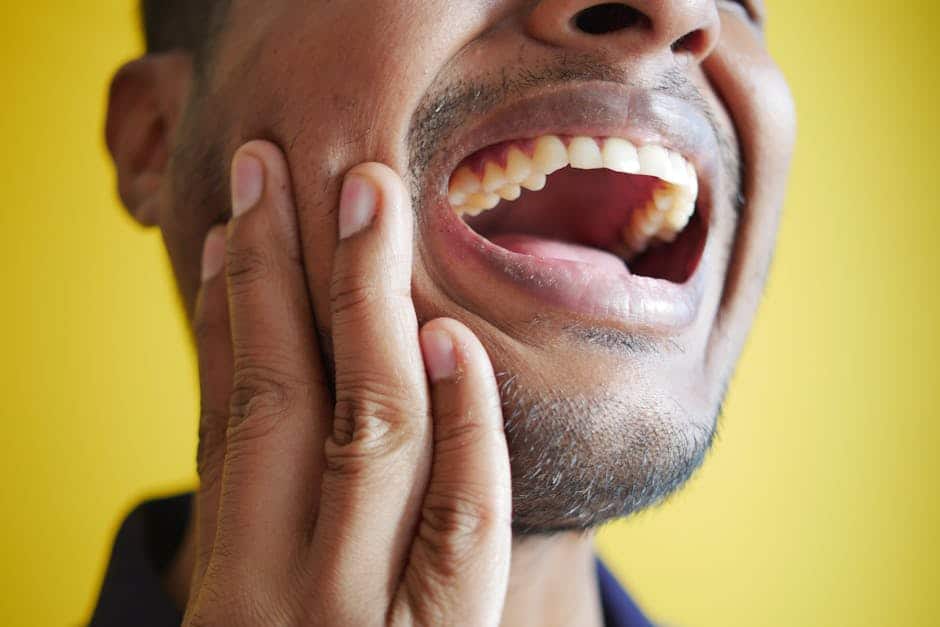
- Severe, unrelenting toothache
- Dental abscess (infection with swelling)
- Broken or cracked tooth
- Lost filling or crown causing pain
When a dental emergency strikes, every minute counts. A knocked-out adult tooth can often be saved—but only if you get professional care within about two hours. Severe pain, uncontrolled bleeding, or a visible abscess are your body’s urgent signals that something is seriously wrong and needs immediate attention.
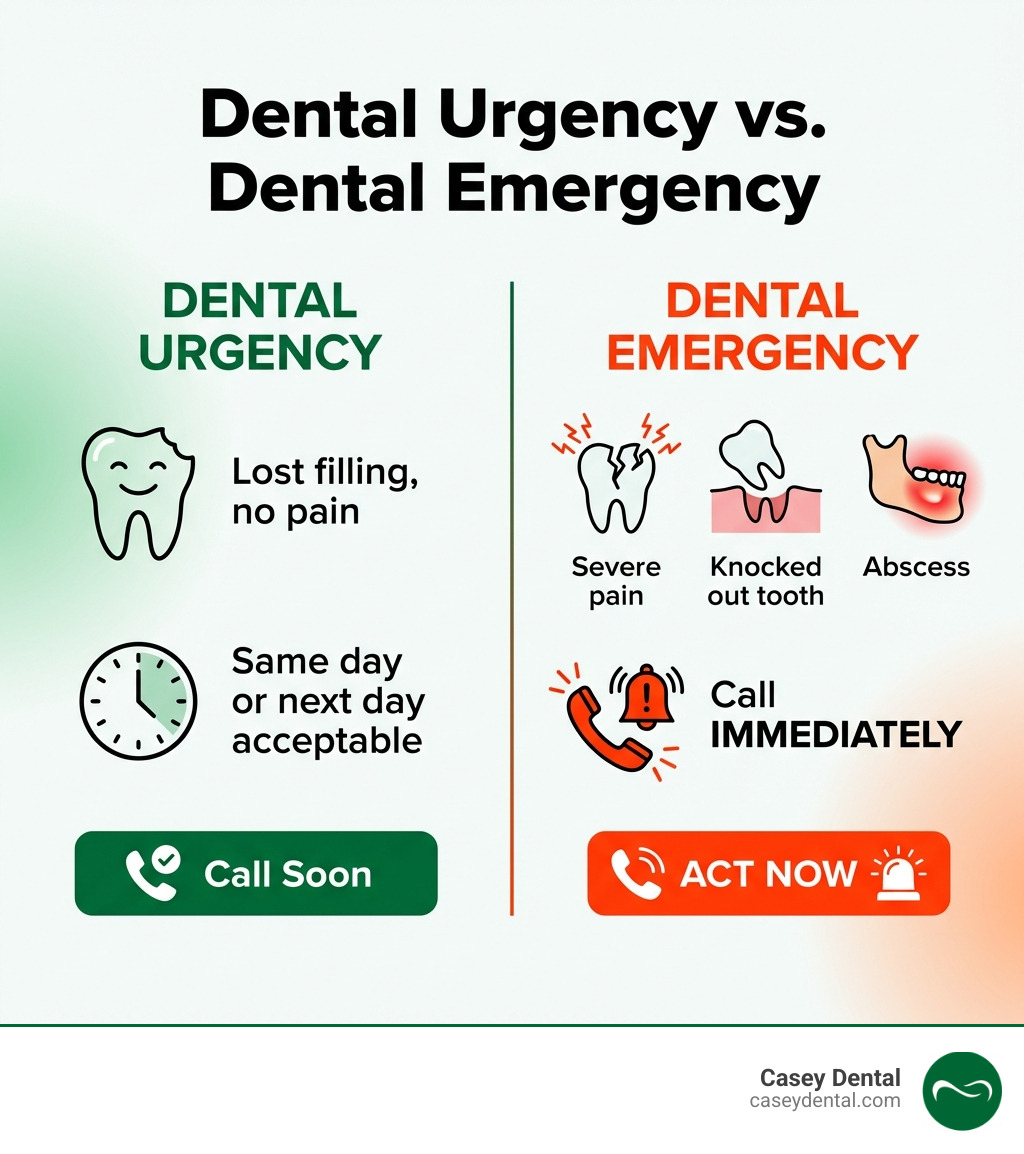
The difference between an urgency and an emergency isn’t always obvious. A lost filling with no pain can usually wait a day or two for treatment. But a tooth knocked out during a soccer game, a throbbing abscess, or a broken tooth exposing the nerve? Those demand immediate action to save your tooth, stop infection, and relieve unbearable pain.
I’m Dr. Shawn Casey, and I’ve been providing Pittston emergency dental care for over 30 years, treating everything from knocked-out teeth to severe infections at our state-of-the-art facility on Oak Street. My team and I offer same-day emergency appointments because we know that when you’re in pain, waiting isn’t an option.
Identifying a True Dental Emergency
Recognizing a true dental emergency is the first crucial step toward getting the right care. It’s not just about pain; it’s about the potential for long-term damage, infection, or even systemic health issues if left untreated. We consider an emergency any situation that requires immediate attention to save a tooth, stop bleeding, alleviate severe pain, or treat an infection. These situations can arise suddenly from trauma, or they can be the culmination of an untreated issue like a cavity that has progressed to a serious infection.
When should you seek immediate care? If you’re experiencing unbearable pain, if a tooth has been dislodged or knocked out, or if you notice swelling that could indicate an infection, it’s time to act fast. Don’t try to tough it out; delaying treatment can often lead to more complex and costly procedures down the line, and in some cases, can even become life-threatening. For example, a dental abscess, which is a serious infection, can spread to adjacent teeth, the jaw, soft tissues, and even enter the bloodstream, potentially becoming fatal if not treated urgently.
Visible damage, such as a severely broken or chipped tooth, also warrants immediate attention, especially if it exposes the inner layers of the tooth, making it vulnerable to bacteria and infection. Uncontrolled bleeding from the mouth, perhaps after an injury or extraction, is another clear sign that you need urgent professional help. Swelling in your face, jaw, or neck often indicates a spreading infection, which needs to be addressed quickly.
Here’s a list of common dental emergencies that we treat here in Pittston and the surrounding Luzerne County area:
- Severe, persistent toothache: Pain that doesn’t subside with over-the-counter medication or wakes you up at night is a red flag. It often signals a deep cavity, infection, or nerve damage requiring prompt intervention, such as a filling or root canal.
- Knocked-out (avulsed) tooth: Time is of the essence here. An adult tooth can often be successfully re-implanted if emergency care is received within 2 hours. This is one of the most time-sensitive emergencies.
- Chipped, cracked, or broken teeth: Even small cracks can allow bacteria to enter, leading to infection. Larger breaks can expose the sensitive inner pulp, causing intense pain and requiring immediate repair to prevent further damage or extraction.
- Dental abscess (pimple-like swelling on gums): This is a pocket of pus caused by a bacterial infection. It’s usually very painful and can lead to serious health complications if the infection spreads.
- Lost filling or crown causing pain: While a lost restoration without pain might be an urgency, if it exposes a sensitive area or causes discomfort, it becomes an emergency. This can leave your tooth vulnerable to further decay or fracture.
- Uncontrolled bleeding from the mouth: Any persistent bleeding following an injury or extraction that doesn’t stop after applying pressure needs immediate attention.
- Swelling in the face, jaw, or neck: This is a strong indicator of a serious infection, possibly an abscess, that is spreading. It requires immediate evaluation to prevent it from affecting your airway or other parts of your body.
For more detailed information on what constitutes a dental emergency and how we can help, please read our guide on Emergency Dental Care: What You Need to Know. Understanding these signs can make all the difference in preserving your oral health and preventing further complications.
What to Do Immediately in a Dental Emergency
When a dental emergency strikes, the moments immediately following the incident can significantly impact the outcome. Staying calm and taking the right first-aid steps can help manage the situation until you can reach our office. Our team at Casey Dental is ready to guide you through these stressful times.
First and foremost, stay calm. Panicking can make the situation worse and prevent you from thinking clearly. Once you’ve composed yourself, the next critical step is to call us immediately. We understand that dental emergencies are stressful, which is why we offer same-day appointments and never want to turn you away when you need urgent care.
When you call, be prepared to provide us with key information. Describe your symptoms clearly: what happened, where the pain is, its intensity, and any visible damage or swelling. Also, have your insurance information ready. This allows our team to prepare for your arrival and understand your situation even before you walk through our doors.
Handling a Knocked-Out or Broken Tooth
A knocked-out tooth is arguably the most time-sensitive dental emergency. If an adult tooth is knocked out, prompt action can often save it.
- Retrieve the tooth: Hold it carefully by the crown (the chewing surface), avoiding touching the root.
- Rinse gently: If dirty, gently rinse the tooth with cool water for no more than 10 seconds. Do not scrub it or remove any attached tissue fragments.
- Reinsert if possible: If you can, gently try to place the tooth back into its socket. Bite down softly on a piece of gauze to hold it in place.
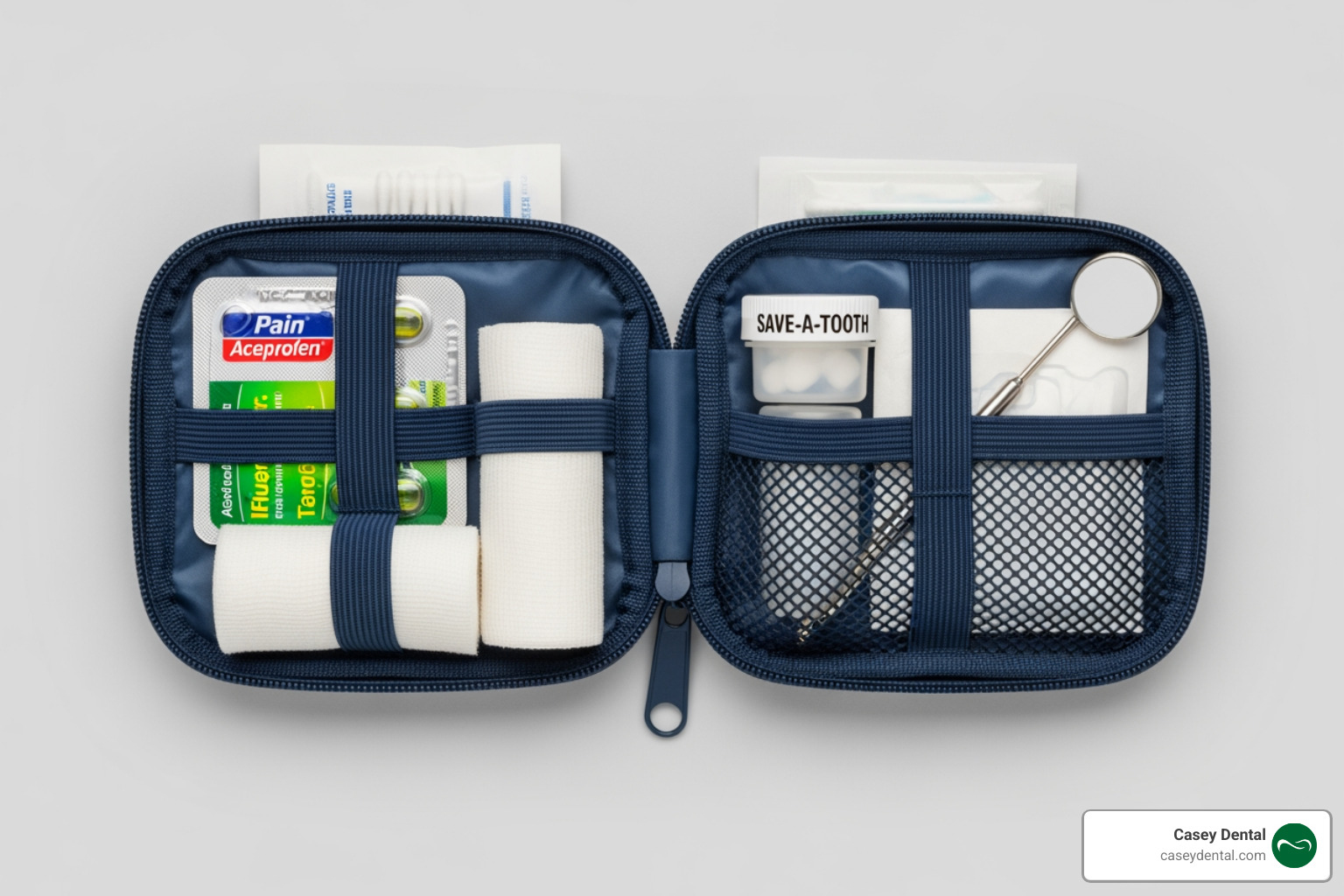
- Store properly: If reinsertion isn’t possible, keep the tooth moist. The best options are to place it in a small container of milk, your own saliva, or a tooth preservation solution if available. Do not store it in tap water.
- Get to us immediately: Time is critical. The sooner you get to our office, the higher the chance of successful re-implantation.
For a broken or chipped tooth, rinse your mouth with warm water to clean the area. If there’s swelling, apply a cold compress to the outside of your mouth or cheek. If you can find any broken tooth fragments, gather them and bring them to your appointment. Our team can assess the damage and determine the best course of action, which might involve bonding or a crown. Learn more about Filling a Broken Tooth: What to Do and When to See a Dentist.
Managing Pain from an Abscess or Severe Toothache
Severe toothaches or an abscess can be excruciating. While waiting for your appointment, there are steps you can take to manage the pain and prevent further complications:
- Rinse with warm salt water: Mix half a teaspoon of salt in 8 ounces of warm water and gently swish it in your mouth. This can help cleanse the area, reduce inflammation, and draw out infection from an abscess.
- Apply a cold compress: Place a cold compress or ice pack on the outside of your cheek near the affected area. This can help reduce swelling and numb the pain.
- Over-the-counter pain relief: Take an over-the-counter pain reliever like ibuprofen or acetaminophen, following the dosage instructions.
- Avoid aspirin on the tooth: Never place aspirin directly on your tooth or gums. The acidity can burn the gum tissue, causing more irritation.
- Keep head lifted: If you’re experiencing bleeding or swelling, keeping your head lifted can help minimize these symptoms.
These are temporary measures. A severe toothache or abscess indicates a serious underlying problem that requires professional dental treatment. For instance, sometimes sinus infections can mimic tooth pain, and it’s important for us to properly diagnose the cause. You can find more information about this at Can a sinus infection cause tooth pain?. Our goal is to address the root cause of your pain and prevent the infection from spreading.
Finding and Navigating Pittston Emergency Dental Care
When a dental emergency strikes, knowing how to find reliable care quickly is paramount. In Pittston, PA, and the wider Luzerne County area, we at Casey Dental are committed to being your first call. We understand that dental emergencies don’t adhere to a 9-to-5 schedule, which is why we prioritize immediate attention for urgent cases.
How to find a dentist in Pittston for an emergency:
Your first step should always be to contact your regular dentist. If that’s us, great! Call our office immediately. We offer same-day appointments for emergencies to ensure you get the prompt care you need. If you’re new to the area or don’t have a regular dentist, look for practices that explicitly state they handle emergencies or offer urgent care services. Some practices in Pittston and nearby areas like West Pittston and Scranton also offer extended hours, including evenings and weekends, to accommodate unexpected dental issues. Additionally, there are 24/7 referral services that partner with local dentists to help patients find same-day or next-day appointments, even outside of normal business hours.
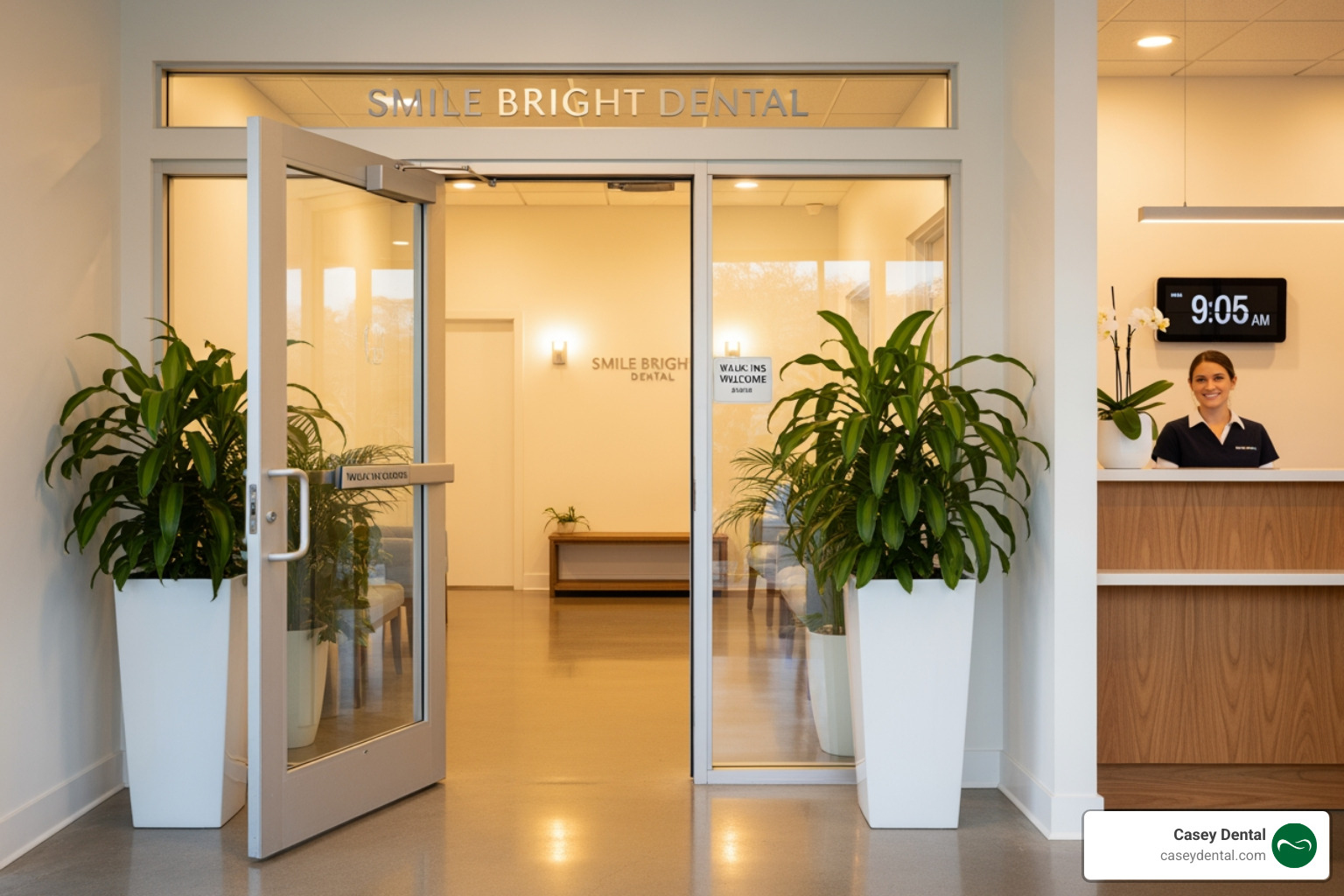
Emergency Dentist vs. Hospital ER: Where to Go in Pittston
This is a critical distinction that many people aren’t aware of. While the instinct might be to rush to the nearest emergency room for any severe pain or injury, an ER is generally not equipped to provide definitive dental care.
ER Limitations:
- No Dentists on Staff: Most emergency rooms do not have dentists on staff. They are primarily focused on life-threatening medical conditions.
- Pain Management & Antibiotics: An ER can provide immediate relief for severe pain, manage bleeding, and prescribe antibiotics for an infection. However, they cannot perform dental procedures like fillings, root canals, or extractions to solve the underlying dental problem.
- Referral Only: After stabilizing your condition, the ER will almost always refer you to a dentist for follow-up care, meaning you’ll still need to make another appointment.
When to Go to the ER:
You should head straight to the emergency room if you have:
- Severe, uncontrolled bleeding that you cannot get under control.
- Suspected jaw fracture or other severe facial trauma.
- Difficulty breathing or swallowing due to severe swelling that might compromise your airway.
- Head trauma accompanied by dental injury.
When to See an Emergency Dentist (Like Us!):
For almost all tooth-specific issues, an emergency dentist is your best bet. This includes:
- Severe toothaches
- Knocked-out or broken teeth
- Dental abscesses and infections
- Lost fillings or crowns causing pain
- Broken braces or wires causing injury
In short, if your life is in danger, go to the ER. If your tooth is in danger, call your emergency dentist.
Here’s a quick comparison:
| Condition | Hospital ER Services | Emergency Dentist Services |
|---|---|---|
| Severe Toothache | Provides pain medication and antibiotics if infection is suspected, then refers you to a dentist for follow-up care. | Identifies the cause with an exam and X-rays, then treats it on the spot with a filling, root canal, or extraction to stop the pain at its source. |
| Broken or Knocked-Out Tooth | Helps control pain and bleeding, but typically cannot re-implant or restore the damaged tooth. | Can often re-implant a knocked-out tooth if you act quickly, and repair broken teeth with bonding, crowns, or other restorative treatments. |
| Dental Abscess | Prescribes antibiotics and pain relievers to reduce infection and discomfort, and may drain a severe abscess that affects breathing before referring you to a dentist. | Drains the abscess and treats the underlying cause, usually with a root canal or extraction, to eliminate the infection and protect your overall health. |
Fast Action Protects Your Smile
If you are experiencing any of these issues in or around Pittston, do not wait. Getting help fast can be the difference between saving and losing a tooth. Contact Casey Dental now to book an emergency appointment, and our team will work to see you as quickly as possible so you can get out of pain and back to normal.