What Is Invisalign? Here’s What You Need to Know
What is Invisalign — in short, it’s a teeth-straightening system that uses a series of clear, removable plastic trays instead of metal brackets and wires.
Quick answer:
- What it is: Custom-made clear aligners worn over your teeth
- How it works: Each tray applies gentle pressure to gradually shift teeth into the correct position
- Who it’s for: Kids (ages 6+), teens, and adults with mild to complex alignment issues
- How long it takes: As little as 6 months for mild cases; typically 12–18 months on average
- Cost: Comparable to traditional braces; insurance may cover up to $3,000
- Key benefit: Virtually invisible, removable, and no food restrictions
Since its introduction in 1997, Invisalign has helped over 22 million people worldwide achieve straighter smiles — and its 96% customer satisfaction rate speaks for itself. It’s become one of the most popular alternatives to traditional metal braces, and for good reason: the aligners are nearly invisible, you can take them out to eat, and most people around you won’t even notice you’re wearing them.
Whether you’re a parent exploring options for your child or an adult who’s been putting off orthodontic treatment, understanding how Invisalign works can help you decide if it’s the right fit for your family.
I’m Dr. Shawn Casey, founder of Casey Dental and a Doctor of Dental Medicine with over 30 years of experience — including hands-on expertise in what is Invisalign treatment and how it can transform smiles for patients of all ages. I’ll walk you through everything you need to know in this guide.
Understanding What Is Invisalign and How It Works
To truly grasp what is Invisalign, you have to look at the technology behind the plastic. These aren’t just any clear trays; they are a sophisticated orthodontic system developed by Align Technology. Unlike generic mail-order aligners, the Invisalign system utilizes a proprietary thermoplastic material called SmartTrack.
This material was selected after testing over 260 different variations to find the perfect balance of comfort and constant, gentle force. When you wear these custom-made trays, they apply controlled pressure to specific teeth at specific times. This ensures that only the teeth scheduled for movement in a particular stage are shifted, making the process incredibly predictable and efficient.
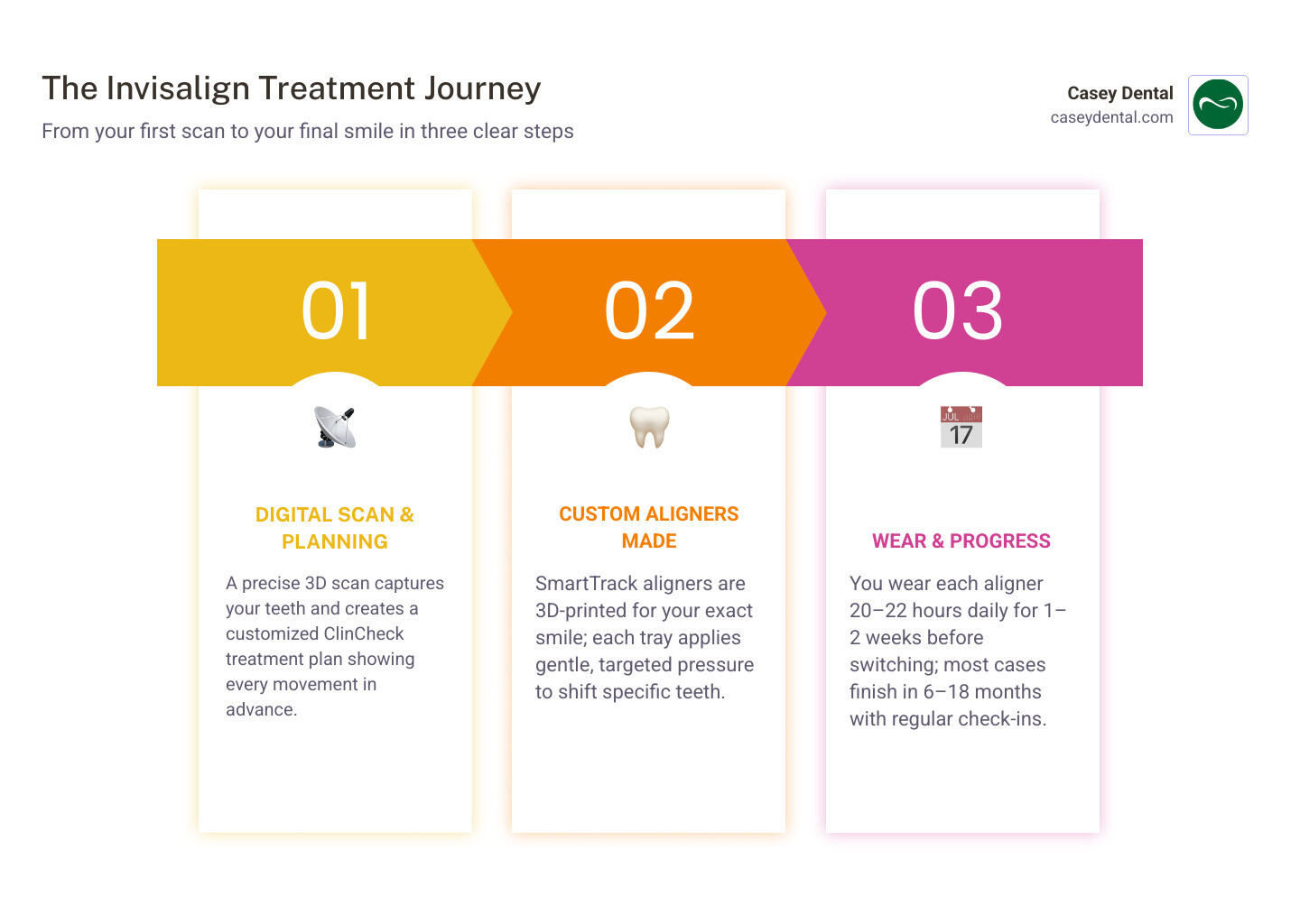
The “magic” happens through a series of these trays. You typically wear each set for one to two weeks before moving on to the next. Each new tray is slightly different from the last, picking up where the previous one left off until your teeth have reached their final, ideal positions.
What is Invisalign candidacy for patients?
A common misconception is that clear aligners are only for minor “social” straightening. In reality, the technology has advanced so much by 2026 that we can treat a wide range of issues. Whether you have a mild malocclusion (slight crowding or spacing) or more complex cases like overbites, underbites, and crossbites, you might be a candidate.
We often see parents wondering if their children are old enough. Invisalign is now available for kids as young as age 6. This is often referred to as Phase I treatment, which focuses on developing young jaws to make room for existing and incoming permanent teeth. If you are debating between methods, we have a detailed guide on Invisalign or Braces: Which Treatment is Right for You? to help you weigh the clinical benefits of each.
What is Invisalign maintenance for daily life?
One of the biggest perks of this treatment is that it fits into your life, not the other way around. However, it does require a bit of discipline. To get the best results, you must wear your aligners for 20 to 22 hours a day. You should only remove them to eat, drink (anything other than plain water), and brush your teeth.
Because the aligners are removable, oral hygiene is much easier than with braces. You don’t have to navigate around metal wires with special flossers. You simply pop the trays out, brush and floss normally, and put them back in. To keep the trays themselves clear and odor-free, we recommend using Invisalign cleaning crystals or a gentle, non-abrasive cleanser. For a deeper dive into the day-to-day logistics, check out this Invisalign overview guide which explains the differences in lifestyle compared to braces.
Invisalign vs. Traditional Braces: A Modern Comparison
When we sit down with patients in Pittston, PA, the conversation often turns to the “old school vs. new school” debate. While traditional braces are still a fantastic tool, Invisalign offers several modern advantages that are hard to ignore.
| Feature | Invisalign Aligners | Traditional Metal Braces |
|---|---|---|
| Appearance | Virtually invisible; clear SmartTrack material | Noticeable metal brackets and wires |
| Removability | Removable for eating, drinking, and cleaning | Fixed; cannot be removed by the patient |
| Food Restrictions | None (remove trays to eat anything) | Avoid sticky, hard, or crunchy foods |
| Comfort | Smooth plastic trimmed to your gum line | Metal edges can poke or irritate cheeks |
| Oral Hygiene | Normal brushing and flossing | Requires special tools and extra time |
| Office Visits | Every 8–12 weeks for quick progress checks | Monthly appointments for wire tightening |
One of the subtle but important differences is the “gum line trim.” Invisalign aligners are laser-cut based on each patient’s unique gum line. This prevents the plastic from overlapping onto the soft tissue, which significantly increases comfort and makes the aligners even less visible. You can read more about these key differences to help you decide on our blog, or view a direct comparison of Braces vs Invisalign to see which aligns better with your lifestyle.
The Step-by-Step Invisalign Treatment Process
Starting your journey is easier than you might think. We’ve traded the messy, goopy putty impressions of the past for high-tech digital workflows.
- The Consultation and 3D Scan: We start by using an iTero Element® scanner to create a precise 3D digital model of your teeth. No gagging, just a quick wand passed over your smile.
- The Digital Plan (ClinCheck): Using ClinCheck® software, we map out the exact movement of every tooth. This software allows us to give you a “smile projection”—a digital preview of what your teeth will look like at the end of treatment before you even start!
- SmartForce Attachments: For some movements, we might place small, tooth-colored “bumps” on your teeth. These are SmartForce attachments. They give the aligners something to grip, allowing for complex movements that were once only possible with braces.
- The Aligner Phase: You’ll receive your custom trays. As you progress through the series, you’ll visit us periodically—usually every 8 to 12 weeks—so we can ensure everything is moving according to plan.
- Refinements: Toward the end, we may order a few “refinement” trays to perfectly dial in those final details.
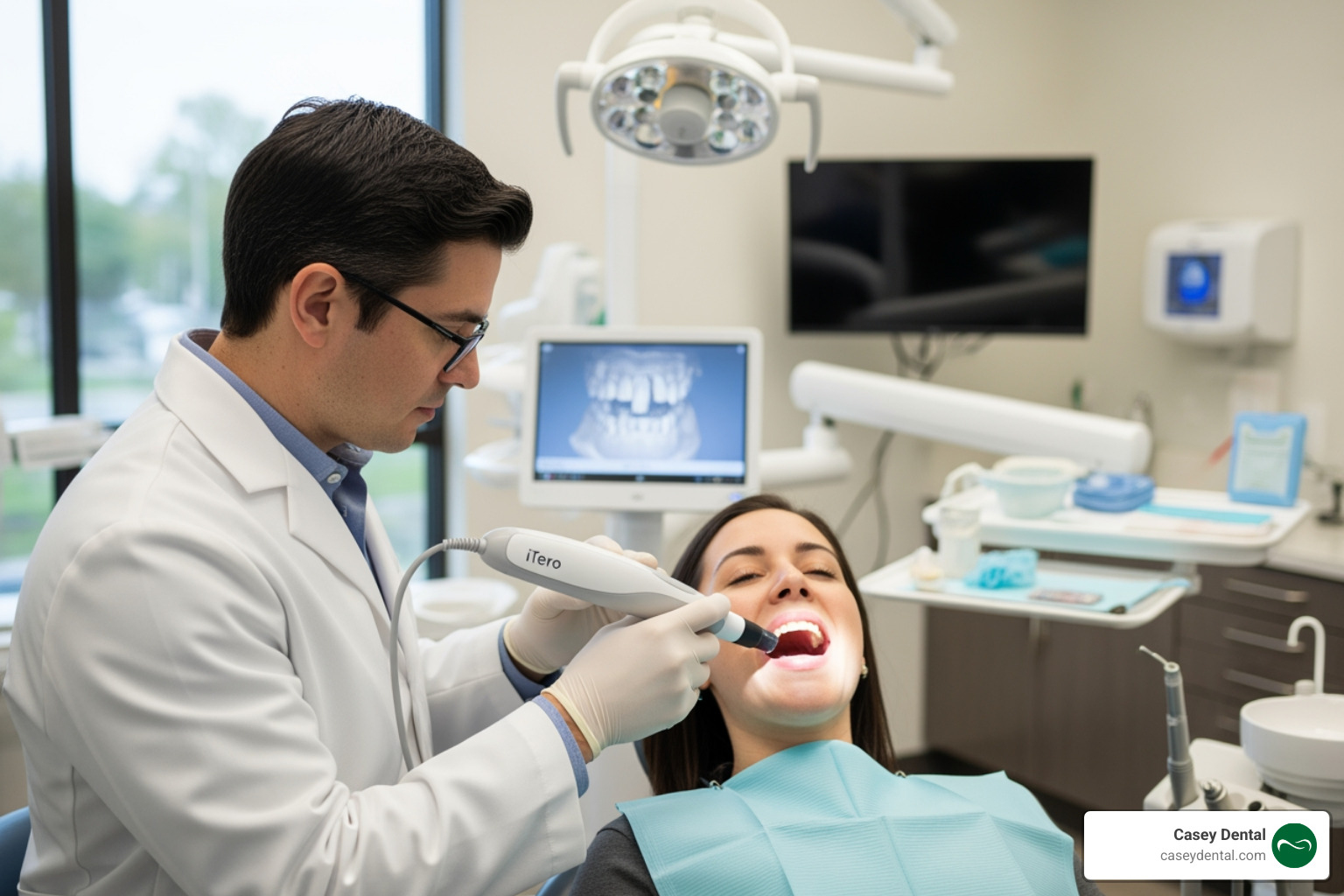
If you are looking for Invisalign & Clear Aligners in Pittston, PA, it is important to choose a provider who understands this digital workflow. We are proud to be among the Invisalign Pittston providers who prioritize this cutting-edge technology.
Duration, Cost, and Insurance Coverage in 2026
“How long and how much?” are usually the first two questions we hear. In 2026, the answers are more favorable than ever.
Duration: While the average case takes 12 to 18 months, mild cases can be completed in as little as 6 months. Factors that influence how long Invisalign takes include the complexity of your bite and, most importantly, your consistency in wearing the trays.
Cost: Many people assume clear aligners are twice the price of braces, but that is a myth. In most cases, the cost of Invisalign is very comparable to traditional orthodontics. We generally see prices ranging from $3,000 to $8,000 before insurance, depending on the length of treatment.
Insurance and Payments:
- Insurance: Many dental plans treat Invisalign just like braces, often covering up to $3,000 of the cost.
- FSA/HSA: You can use your tax-free health savings or flexible spending account dollars to pay for treatment.
- Financing: We offer monthly payment plans to make a beautiful smile fit into any budget.
For a more detailed breakdown of the numbers, check out our 2026 guide on Invisalign vs Braces Cost.
Managing Comfort and Post-Treatment Results
Does it hurt? That’s the big question. Most patients describe the feeling as “pressure” rather than pain. When you switch to a new set of trays, you might feel some tightness for the first 24 to 48 hours. This is actually a good sign—it means the aligners are doing their job! If you’re nervous about the sensation, we’ve written a piece on Does Invisalign Hurt? that explains what to expect in those first few days.
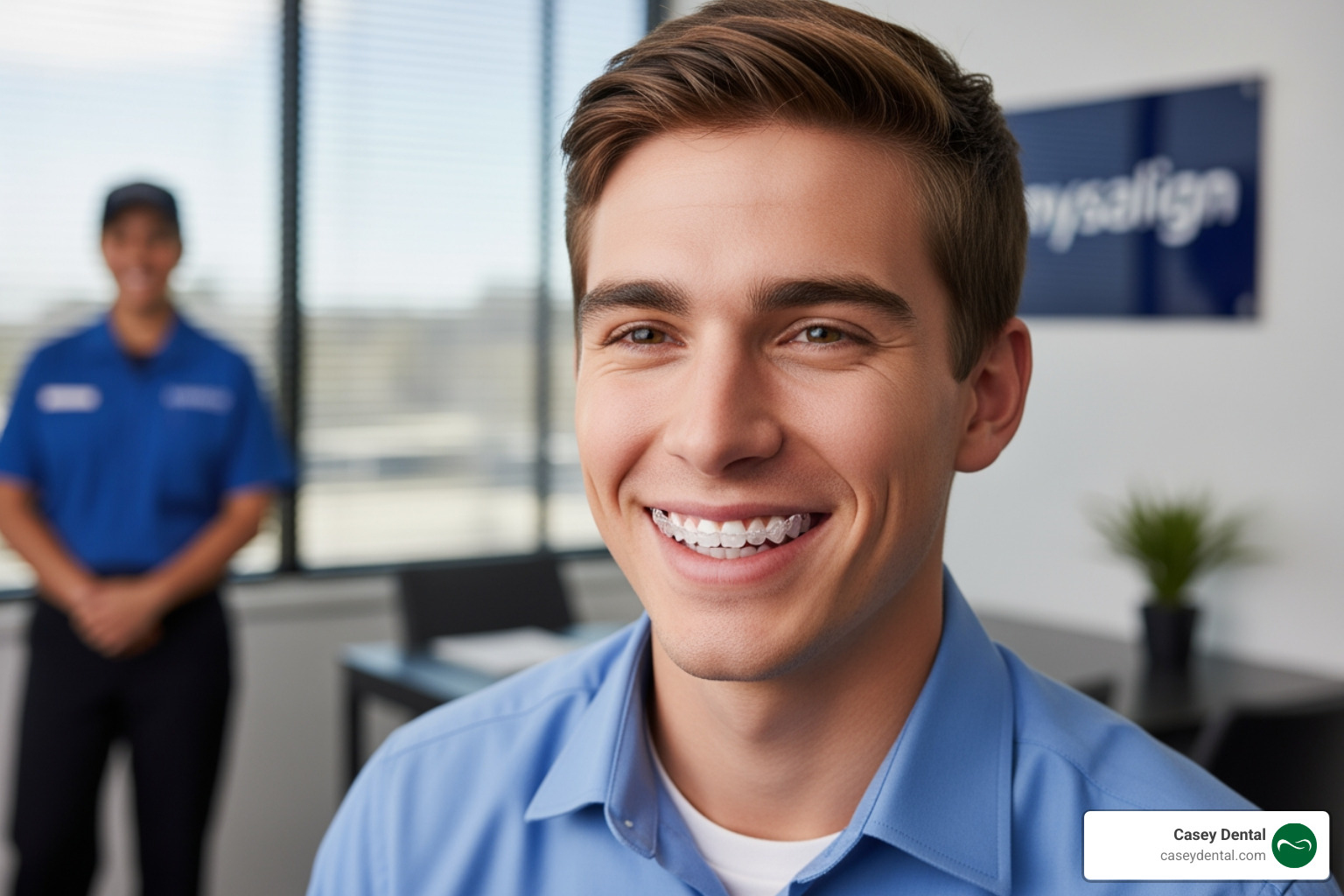
Once you’ve reached your goal, the work isn’t quite over. To keep your teeth from shifting back to their old positions, you will need to wear retainers. We recommend Vivera® retainers, which are made by the same company as Invisalign. They are custom-fitted using the same technology, making them more durable and comfortable than traditional retainers. Invisalign smile correction is worth the investment, but only if you protect that investment with consistent retainer wear!
Frequently Asked Questions
How often should I clean my aligners?
You should rinse your aligners every time you take them out. At night, give them a gentle brush with a soft toothbrush and clear liquid soap or a non-abrasive toothpaste. Keeping them clean prevents bacteria buildup and keeps them looking “invisible.” For more maintenance tips, this modern guide to straightening your smile offers great hygiene advice.
Can I eat with my aligners in?
No. You must remove them to eat anything other than water. Eating with them in can trap food against your teeth (increasing the risk of cavities) and can stain or damage the plastic. The good news? You have zero food restrictions! Go ahead and enjoy that corn on the cob or sticky taffy—just brush before putting the trays back in.
What happens if I lose an aligner?
Don’t panic! If you lose a tray, call us immediately. Depending on where you are in that stage, we might tell you to move back to your previous tray or jump ahead to the next one while we order a replacement. If you are in the area, our Invisalign Scranton resources can help you get back on track quickly.
Conclusion
At Casey Dental, we believe that everyone in Pittston, PA, deserves a smile they are proud to show off. As an award-winning practice, we combine decades of experience with the latest Invisalign innovations to provide a seamless, comfortable experience for our patients. From your first 3D scan to the day you finish your last tray, our team is dedicated to your success.
Ready to transform your smile with the world’s most advanced clear aligner system? At Casey Dental, we provide expert Invisalign treatment tailored to your unique needs in a comfortable, state-of-the-art environment. Whether you are looking for a routine consultation or require emergency dental care, our team is here to ensure your oral health is always a priority. Visit our patient store for professional cleaning supplies to keep your aligners pristine, and contact us today to schedule your 3D smile scan!