Your Guide to Dental Cleanings in Pittston, PA
If you’re looking for dental cleanings in Pittston, PA, here’s what you need to know at a glance:
- Provider: Casey Dental, serving Luzerne County since 2005
- Recommended frequency: Every 6 months (per the American Dental Association)
- Services offered: Routine cleanings, deep cleanings (scaling and root planing), and comprehensive exams
- Who it’s for: Patients of all ages, including families and individuals with special needs
- New patients: Accepted (note: Medicaid new patients are not currently accepted)
- Technology: Digital X-rays, laser gum therapy, and modern diagnostic tools
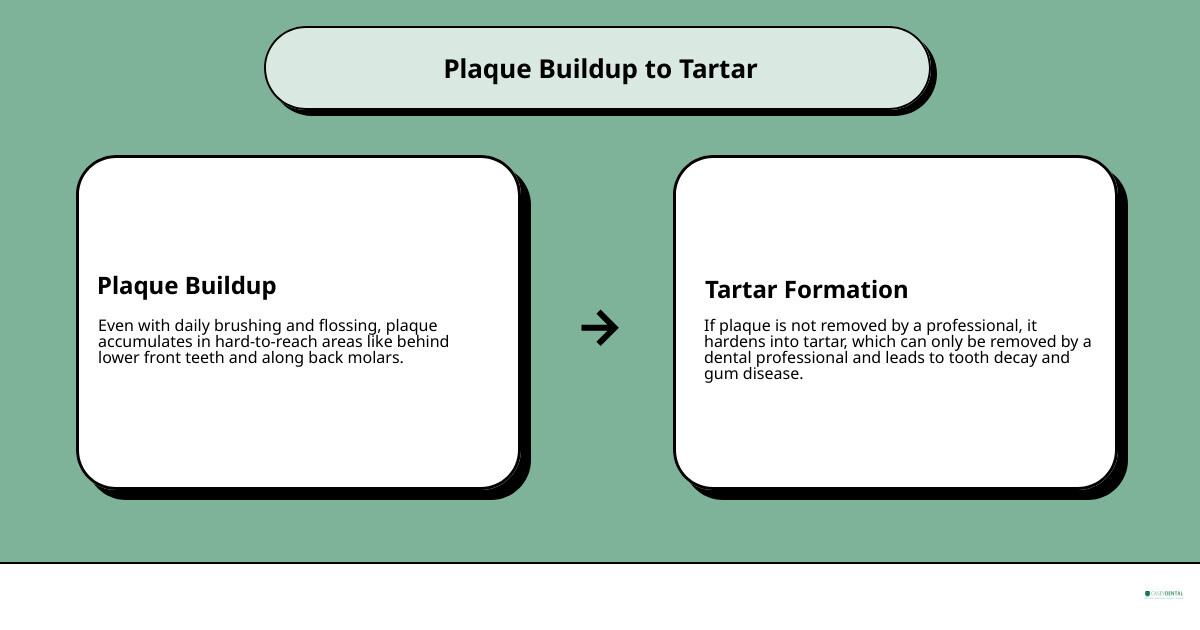
Even if you brush and floss every day, plaque still builds up in spots your toothbrush can’t reach. Over time, that plaque hardens into tartar — and tartar can only be removed by a dental professional. Left untreated, it leads to tooth decay and gum disease, two of the most common (and preventable) oral health problems.
That’s why a professional cleaning every six months isn’t just a suggestion. It’s one of the most effective things you can do for your long-term oral health.
I’m Dr. Shawn Casey, founder of Casey Dental and a practicing dentist in northeast Pennsylvania since 1994 — I’ve spent over 30 years helping Luzerne County families maintain healthy smiles through dental cleanings in Pittston, PA and comprehensive preventive care. In this guide, I’ll walk you through everything you need to know, from what happens during a routine cleaning to when a deep cleaning might be necessary.
Why Regular Dental Cleanings in Pittston PA Are Essential
Maintaining a vibrant, healthy smile requires a partnership between your daily at-home oral hygiene routine and professional clinical care. While brushing twice a day and flossing daily are the cornerstones of excellent oral hygiene, they are only part of the equation. Over time, even the most meticulous brushers will experience plaque accumulation in hard-to-reach areas of the mouth, such as behind the lower front teeth or along the back molars.
When plaque is left undisturbed, it mixes with the minerals in your saliva and hardens into a substance called calculus, commonly known as tartar. This process can happen in as little as 24 to 72 hours. Once tartar forms, it bonds firmly to your tooth enamel. No amount of manual brushing or flossing at home can safely scrape it away.
By prioritizing regular professional checkups, you can ensure that this buildup is safely and effectively managed. Understanding The Importance of Regular Dental Cleaning for Your Oral Health is the first step toward avoiding painful and costly dental complications down the road. At Casey Dental, located right here in Pittston, we focus on preventive care to stop dental decay and gum disease before they have a chance to compromise your smile.
Scientific research consistently demonstrates a powerful link between gum disease and systemic health issues. Periodontal disease is a chronic inflammatory condition caused by untreated plaque and tartar buildup beneath the gumline. When harmful bacteria multiply in these spaces, they can enter your bloodstream, contributing to or worsening conditions such as:
- Cardiovascular Disease: The inflammation associated with gum disease can contribute to clogged arteries and increase the risk of stroke or heart attacks.
- Diabetes Management: Chronic gum disease can make it significantly harder for diabetic patients to control their blood sugar levels.
- Respiratory Infections: Bacteria from the mouth can be inhaled into the lungs, potentially causing infections like pneumonia.
By scheduling your routine dental cleanings, you are not just polishing your teeth; you are actively protecting your entire body from the systemic effects of chronic inflammation.
The Benefits of Professional Plaque and Tartar Removal
When you visit us for Dental Cleanings, you are placing your oral health in the hands of a highly trained dental hygienist. Our hygienists utilize specialized dental instruments designed specifically to navigate the unique contours of your teeth and safely remove calcified tartar without damaging your protective enamel.
At home, toothbrushes and floss are excellent for removing soft, sticky plaque. However, they lack the structural rigidity and precision needed to break the bond of hardened tartar. During your professional cleaning, our team uses specialized manual scalers and advanced ultrasonic scaling technology. These ultrasonic tools emit high-frequency vibrations and a gentle stream of water to wash away tartar deposits quickly and comfortably.
Following a thorough scaling, our hygienists perform a Dental Hygienist Expert Application of professional polishing paste. This process smooths the surfaces of your teeth, making it much harder for new plaque and bacteria to cling to your enamel in the future.
How Often Do You Need Dental Cleanings in Pittston PA?
A common question we hear is, “How often should I really be getting my teeth cleaned?” For the vast majority of children, teenagers, and adults, the American Dental Association (ADA) recommends undergoing routine professional cleanings and examinations at least once every six months.
Establishing a consistent six-month interval is critical for maintaining optimal oral health. It allows our dental team to identify and treat minor issues—such as a tiny cavity or early-stage gum disease (gingivitis)—before they escalate into major, painful problems requiring root canals or extractions.
To help local residents of all ages maintain their oral health, we emphasize the value of establishing a dental home. You can learn more about how we support multi-generational dental care by reading about how to Smile Bright with Professional Dental Cleanings for Families.
While a six-month cleaning schedule is the standard recommendation, some patients may require more frequent visits. If you have a history of advanced periodontal disease, a weakened immune system, or are prone to rapid plaque buildup, we may recommend a customized recall schedule of every three to four months to keep your gums firm, pink, and healthy.
Routine Cleanings vs. Deep Cleanings: What Is the Difference?
It is common for patients to feel confused when they hear that they need a “deep cleaning” instead of a standard routine cleaning. While both treatments are designed to clean your teeth and protect your oral health, they serve entirely different clinical purposes.
A routine cleaning is a preventive procedure, whereas a deep cleaning is a therapeutic medical treatment designed to halt the progression of active periodontal (gum) disease. To help clarify the differences, we have outlined the key distinctions below:
| Feature | Routine Cleaning (Prophylaxis) | Deep Cleaning (Scaling & Root Planing) |
|---|---|---|
| Primary Goal | Preventive maintenance for healthy gums | Therapeutic treatment for active gum disease |
| Target Area | Surfaces of the teeth above the gumline | Deep root surfaces beneath the gumline |
| Anesthetic Needed? | Rarely | Typically (local anesthetic to ensure comfort) |
| Pocket Depths | Healthy pockets (1mm to 3mm) | Deep periodontal pockets (4mm or deeper) |
| Frequency | Typically every 6 months | As needed, followed by periodontal maintenance |
Preventive Care Above the Gum Line
A routine dental cleaning, medically referred to as a prophylaxis, is designed for patients who have generally healthy gums and stable bone support around their teeth. The primary focus of a prophylaxis is preventive care above the gumline.
During this appointment, your dental hygienist will gently remove plaque, tartar, and light surface stains from the visible portions of your teeth. The cleaning is completed with a professional flossing and tooth polishing. Because the procedure is limited to the areas above your gumline, it is generally quick, painless, and does not require any local numbing agents. It leaves your mouth feeling fresh and helps maintain the health of your supporting tissues.
Scaling and Root Planing for Periodontal Health
If you are experiencing symptoms of advanced gum disease—such as persistent bad breath, bleeding gums, receding gumlines, or loose teeth—a routine cleaning is no longer sufficient. In these cases, plaque and tartar have migrated deep beneath the gumline, causing the gums to pull away from the teeth and form deep “pockets” where bacteria thrive.
To treat this condition, we perform a deep cleaning, technically known as scaling and root planing. This specialized procedure is split into two distinct steps:
- Scaling: The hygienist carefully removes all plaque, tartar, and bacterial toxins from the tooth surfaces both above and deep below the gumline, reaching all the way to the bottom of the periodontal pockets.
- Root Planing: The hygienist smooths out the rough surfaces of the tooth roots. Smoothing these roots makes it much more difficult for bacteria to colonize beneath the gums in the future and allows your gum tissue to heal and reattach tightly to the teeth.
Because scaling and root planing involves working deep within sensitive areas beneath the gumline, we typically administer a local anesthetic to completely numb your gums. This ensures that you remain entirely comfortable and pain-free throughout the treatment.
What Does a Comprehensive Dental Exam Include?
A professional cleaning is only half of your preventive visit. The other vital half is a comprehensive dental examination performed by one of our experienced dentists. Cleanings and exams go hand-in-hand; while the cleaning removes harmful buildup, the exam provides a detailed diagnostic checkup of your entire oral cavity.
By scheduling these visits together, you gain the peace of mind that comes with early detection. To learn more about why these checkups are so critical, read about The Importance of Regular Dental Examinations.
What to Expect During Dental Cleanings in Pittston PA
If you are visiting us for the first time or haven’t been to the dentist in a while, it helps to know exactly what to expect during your appointment. We strive to make every visit as transparent, educational, and comfortable as possible. Here is a step-by-step look at a typical preventive appointment:
- Step 1: Medical History Review: We begin every visit by reviewing your health history, discussing any changes in your overall health, and listening to any specific concerns or symptoms you might be experiencing.
- Step 2: Physical Examination: Before using any instruments, your hygienist will perform a visual examination of your entire mouth, checking your teeth and gums for obvious signs of decay, inflammation, or structural damage.
- Step 3: Scaling: Using specialized hand tools and ultrasonic scalers, the hygienist will carefully remove all plaque and tartar from your teeth, paying special attention to the hard-to-reach areas along your gumline.
- Step 4: Gritty Toothpaste Cleaning: Once your teeth are free of tartar, the hygienist will use a high-powered electric brush and a pleasant-tasting, gritty professional toothpaste to polish away remaining surface stains.
- Step 5: Professional Flossing: Your hygienist will expert-floss between your teeth to clean the tight spaces and remove any leftover plaque or polishing paste.
- Step 6: Dentist Examination: Finally, one of our skilled dentists will perform a detailed evaluation of your teeth, gums, bite, and existing dental work, discussing the results of your digital X-rays and outlining any necessary treatment plans.
Advanced Screenings and Diagnostic X-Rays
During your comprehensive exam, we look at much more than just your teeth. Our goal is to assess and protect your entire oral environment. This includes several critical diagnostic steps:
- Oral Cancer Screening: We perform a thorough visual and tactile screening of your lips, tongue, throat, and the inside of your cheeks to check for any unusual red or white patches, lumps, or tissue abnormalities. Early detection of oral cancer significantly improves treatment outcomes.
- Digital X-Rays: We utilize state-of-the-art digital radiography, which exposes patients to up to 90% less radiation than traditional film X-rays. These high-resolution images allow us to detect hidden cavities between the teeth, monitor the health of your jawbone, and identify infections or cysts deep beneath the visible surface.
- Bite and Jaw Evaluation: We assess how your upper and lower teeth meet when you chew, checking for signs of grinding (bruxism) or issues with your temporomandibular joint (TMJ).
Frequently Asked Questions
How do dental offices help patients with dental anxiety?
It is incredibly common to feel nervous or anxious about visiting the dentist. At Casey Dental, we have spent decades building a practice centered on patient comfort, gentle care, and emotional reassurance.
From the moment you walk through our doors, our friendly team works to make you feel at home. We explain every step of your treatment beforehand so there are no surprises, and we encourage you to take breaks whenever you need them. For patients who require extra support to feel at ease, we offer safe, effective sedation options to ensure a relaxed and stress-free experience.
What other preventive treatments are available for families?
In addition to routine cleanings and exams, we offer a variety of highly effective preventive treatments to protect your family’s smiles. Two of our most popular preventive services include:
- Fluoride Treatments: A professional Fluoride Treatment is a quick, painless application that helps remineralize weakened tooth enamel, making it highly resistant to acid attacks from plaque and bacteria.
- Dental Sealants: Especially beneficial for children and teenagers, Dental Sealants are thin, protective plastic coatings painted onto the chewing surfaces of the back molars. They seal off the deep grooves and pits where food particles and bacteria frequently get trapped, significantly reducing the risk of cavities.
To explore our full range of general, cosmetic, and restorative options, you can view our complete list of Services.
Does insurance cover routine dental cleanings?
Most dental insurance plans prioritize preventive care because they recognize that regular cleanings and exams prevent much more expensive and complex dental issues later on. Consequently, many insurance policies cover routine preventive cleanings, exams, and diagnostic X-rays at 100%, meaning you may have little to no out-of-pocket costs for your biannual visits.
We are happy to help you navigate your insurance benefits and file claims on your behalf. Please note that while we are actively accepting new patients of all ages, we are not currently accepting new Medicaid patients.
Conclusion
Investing in professional dental cleanings in Pittston, PA is one of the most powerful steps you can take to protect your oral health, boost your self-confidence, and safeguard your overall physical well-being. At Casey Dental, we are proud to offer award-winning, comprehensive Family Dentistry to patients throughout Luzerne County and the surrounding Pittston areas.
Since Dr. Shawn Casey opened his solo practice in 1994 and expanded it into a multi-doctor facility in 2005, our practice has been dedicated to providing a comfortable, state-of-the-art dental home for patients of all ages. Over the years, we have expanded our services to meet the diverse needs of our community, including opening a dedicated special needs dentistry center in 2009. We have also had the privilege of welcoming patients from retired local practitioners, such as Dr. Karcutskie, ensuring a seamless transition and continuity of exceptional care.
Whether you need a routine preventive cleaning, advanced periodontal care, or urgent emergency dental treatment for sudden tooth pain or an injury, our compassionate team is here to help. To maintain your results between visits, you can also Browse oral care products in our patient store to find professional-grade tools and hygiene products recommended by our clinical staff.
Ready to experience high-quality, comfortable dental care? Schedule an appointment with Casey Dental today and let us help you keep your smile fresh, healthy, and bright for years to come!