What Are Dental Implants? Your Questions Answered
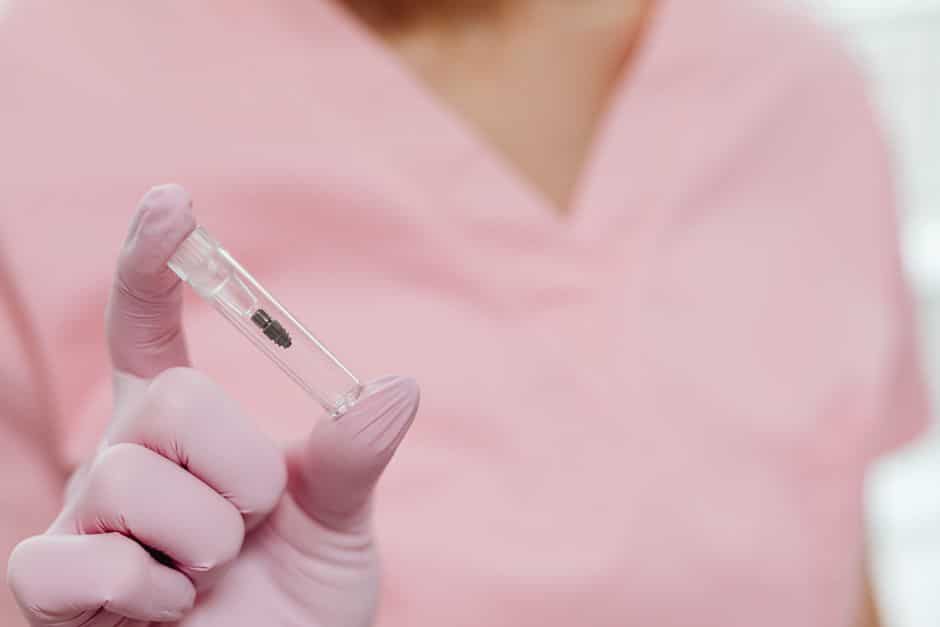
Dental implants are titanium posts surgically placed into the jawbone to replace missing tooth roots, topped with a realistic-looking crown — giving you a permanent, natural-feeling tooth replacement.
Here’s a quick overview:
| Question | Short Answer |
|---|---|
| What are they? | Titanium posts that fuse with your jawbone to support a replacement tooth |
| Who are they for? | Adults with one or more missing teeth and sufficient bone density |
| How long do they last? | Over 90% last 10+ years with proper care |
| Does it hurt? | No — placed under local anesthesia; mild soreness after |
| Are they available on the NHS? | Rarely — most are private treatments |
| How much do they cost? | Starting around £2,400 per implant (varies by case) |
Tooth loss is more common than most people realize — and its effects go beyond appearance. Missing teeth can lead to jawbone shrinkage, shifting of surrounding teeth, and difficulty eating or speaking. Fortunately, modern restorative dentistry has a solution that goes far beyond traditional dentures or bridges.
Dental implants have become one of the most significant advances in dentistry over the past four decades. Unlike dentures, they fuse directly with your bone through a biological process called osseointegration — creating a stable, long-lasting foundation that looks and functions like a natural tooth.
I’m Dr. Shawn Casey, founder of Casey Dental in Pittston, PA, with 30 years of experience in general and restorative dentistry, including guided dental implant surgery using the latest digital technology. In this guide, I’ll walk you through everything you need to know to make a confident, informed decision about dental implants.
Understanding the Technology Behind Dental Implants
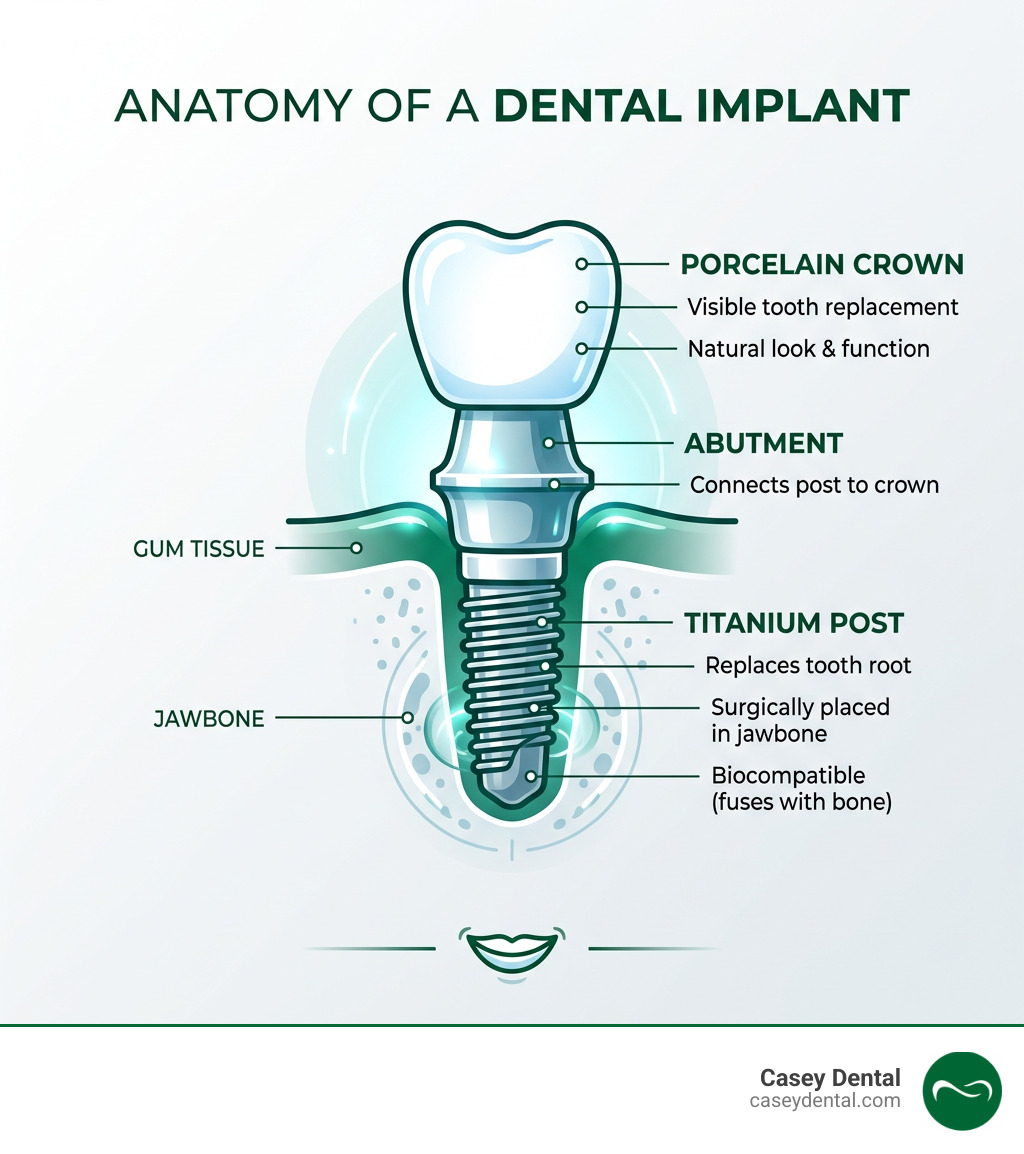
To understand why dental implants are so effective, we have to look at the three main components that make up the system: the titanium post, the abutment, and the porcelain crown.
The “magic” happens with the titanium post. Titanium is a highly biocompatible material, meaning the human body doesn’t just tolerate it—it actually welcomes it. When we place this post into the jawbone, a biological process called osseointegration begins. Over the course of several months, your bone cells grow directly onto the surface of the metal, essentially locking it into place. This creates a foundation as strong as, if not stronger than, a natural tooth root.
Once the post is securely integrated, we attach the abutment. Think of this as a connector piece that sits right at the gum line. Finally, we place the porcelain crown. At Casey Dental, we use high-quality dental materials to ensure your new tooth matches the shade, shape, and translucency of your surrounding teeth. Because these materials are inorganic, they don’t decay like natural teeth, though the gums around them still require diligent care!
The Dental Implant Procedure and Supporting Treatments
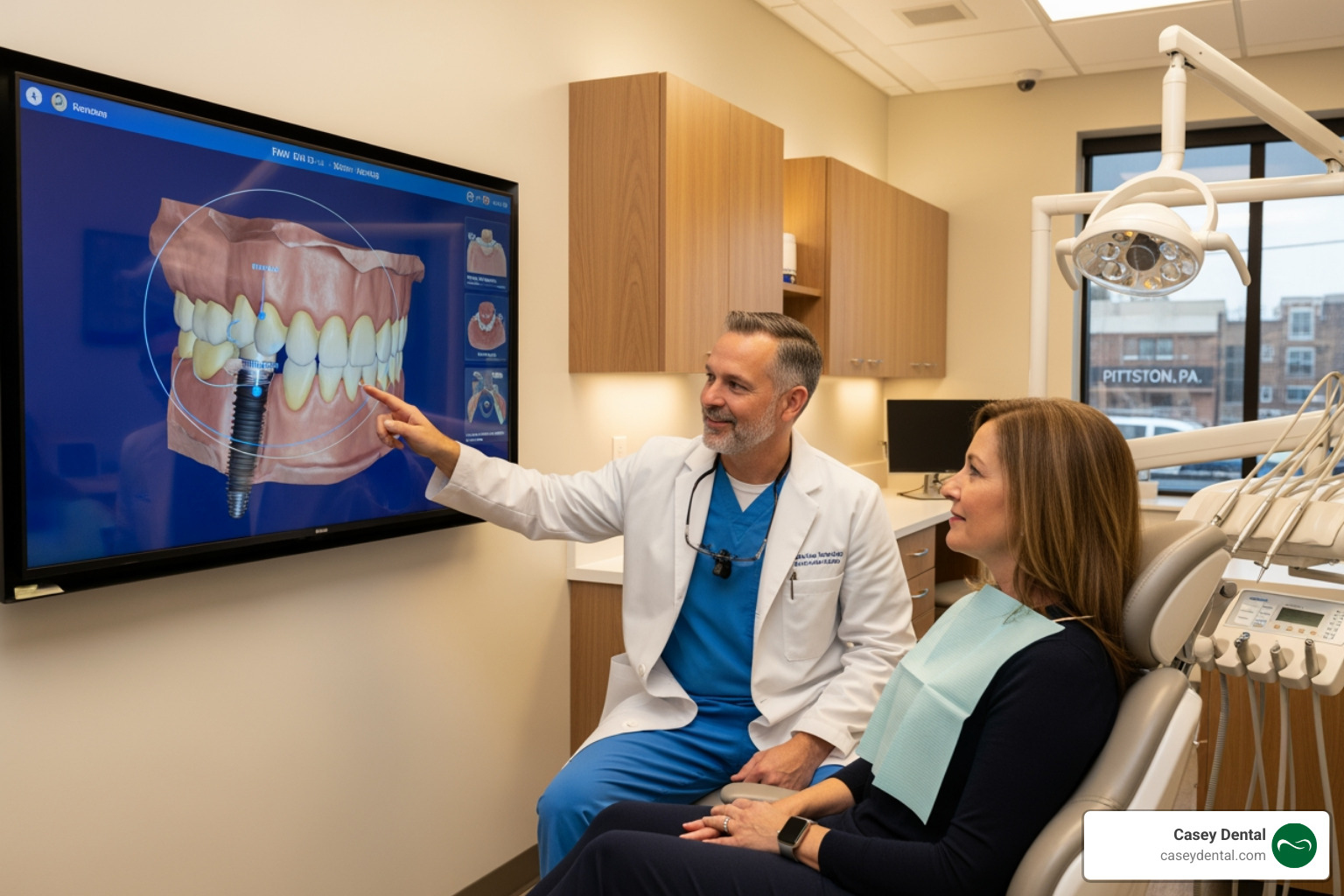
Every patient’s journey is unique, but the path to a restored smile generally follows a well-defined series of steps. At our office in Pittston, we utilize guided implant surgery to make the process as precise and comfortable as possible.
1. The Initial Consultation
We start with a comprehensive evaluation. This includes digital X-rays and 3D imaging to assess your jawbone structure. We need to ensure there is enough “real estate” in your jaw to support the implant.
2. Supporting Treatments: Bone Grafting and Sinus Lifts
Sometimes, the jawbone has thinned out due to years of missing teeth. If the bone is too soft or thin, we may recommend a bone graft. This involves placing bone material (which can be synthetic or from a donor) into the area to “bulk up” the site. If we are working on the upper jaw near the back, we might perform a sinus lift to ensure the implant doesn’t interfere with your sinus cavities. Research on bone quality shows that having a solid foundation is the single most important factor in preventing implant failure.
3. Placing the Implant
The surgery itself is an outpatient procedure. We create a small pilot hole and gently thread the titanium post into the bone. Thanks to local anesthesia and our focus on patient comfort, most patients tell us the experience was much easier than having a tooth pulled!
4. The Healing Timeline
Now comes the part that requires a little patience. Osseointegration typically takes between 3 to 6 months. During this time, you aren’t left toothless; we can often provide a temporary restoration so you can smile with confidence while your bone heals.
Benefits and Success Rates of Dental Implants
Why choose dental implants over other options? The statistics speak for themselves. Long-term studies show that over 90% of dental implants last 10 years or more, with many lasting a lifetime if maintained properly. In fact, trends in implant use show a massive shift toward this technology as it becomes the “gold standard” for tooth replacement.
| Feature | Dental Implants | Traditional Dentures |
|---|---|---|
| Stability | Fixed; won’t slip or click | Can slip; requires adhesive |
| Bone Health | Prevents bone loss | Can lead to bone resorption |
| Longevity | 25+ years to lifetime | 5–10 years |
| Diet | Eat anything (steak, apples) | Limited; hard foods are difficult |
| Maintenance | Brush and floss like normal | Must be removed and soaked |
Who is a Candidate for Dental Implants?
Most adults in good general health are excellent candidates. However, there are a few factors we keep an eye on:
- Jawbone Density: You need enough bone to anchor the post.
- Gum Health: Active periodontal disease must be treated before surgery.
- Medical Conditions: Uncontrolled diabetes or certain medications can slow healing.
- Smoking: This is a big one. Research on smoking and failure indicates that smokers have a significantly higher risk of the implant failing to fuse with the bone. We strongly encourage patients to kick the habit before starting treatment.
Alternatives to Dental Implants
While we believe single-tooth implants are the best option, we always discuss alternatives:
- Dental Bridges: A fixed bridge uses the healthy teeth on either side of a gap as anchors. The downside? We have to file down perfectly healthy teeth to fit the crowns.
- Partial or Full Dentures: These are removable appliances. They are more affordable upfront but don’t offer the same stability or bone-preservation benefits as implants.
Cost, Insurance, and Long-Term Maintenance
We understand that the cost of dental implants is a major consideration. In the UK, prices often start around £2,400 for a single implant, abutment, and crown. In the US, costs vary based on the need for extractions or bone grafting.
While dental implants are rarely covered by the NHS (reserved mostly for cases of oral cancer or extreme trauma), many private insurance plans provide partial coverage. For our patients in Pennsylvania, we offer various payment options. We also provide information on FCA-regulated finance through providers like Novuna Personal Finance to help break the cost into manageable monthly installments.
How to Care for Your Dental Implants
One of the best things about dental implants is that they don’t require special “soaking” or messy adhesives. You care for them just like your natural teeth:
- Brush twice daily: Use a soft-bristled brush.
- Floss every day: Specialized “implant floss” or interdental brushes can help clean around the abutment.
- Regular checkups: Visit us for professional cleanings. We use special tools that won’t scratch the titanium.
You can find high-quality oral hygiene products designed for implant care in our patient store.
Frequently Asked Questions about Dental Implants
What is All-on-4 or Smile in a Day?
For patients missing an entire arch of teeth, we offer All-on-4 implants. This technique uses just four strategically placed implants to support a full, fixed bridge. It’s often called “Smile in a Day” because we can often place the implants and a temporary set of teeth in a single visit.
Are dental implants painful?
We use local anesthesia to completely numb the area during surgery. Most patients report that the procedure is less painful than a standard tooth extraction. Afterward, any discomfort is usually mild and can be managed with over-the-counter relievers like ibuprofen. We also offer sedation options for those who feel a bit anxious!
What is the recovery like?
For the first few days, you’ll want to stick to a soft-food diet—think smoothies, yogurt, and mashed potatoes. You might experience minor swelling or bruising, but this typically fades within a week. The “real” recovery happens under the surface as osseointegration takes place over the next few months.
Conclusion
At Casey Dental, we’ve seen how how dental implants can change a life—restoring not just a smile, but the ability to eat, speak, and live with total confidence. Whether you are in Pittston, Wilkes-Barre, or anywhere in Luzerne and Lackawanna County, our team is here to provide the award-winning, one-stop care you deserve.
If you are struggling with a missing tooth, or if you’ve had a broken or knocked out tooth and need immediate help, please reach out to us. We provide comprehensive restorative services and emergency care to get your smile back on track. Don’t forget to check out our patient store for the best tools to keep your teeth healthy.
Ready to reclaim your smile? Contact Casey Dental today to schedule your dental implant consultation!