What Are Dental Implants? The Complete Answer
What are dental implants? Here is a quick answer:
- Definition: Dental implants are medical devices surgically placed into the jawbone to replace missing tooth roots and support artificial teeth such as crowns, bridges, or dentures.
- Material: Most implants are made from titanium or zirconia — materials that bond safely with bone.
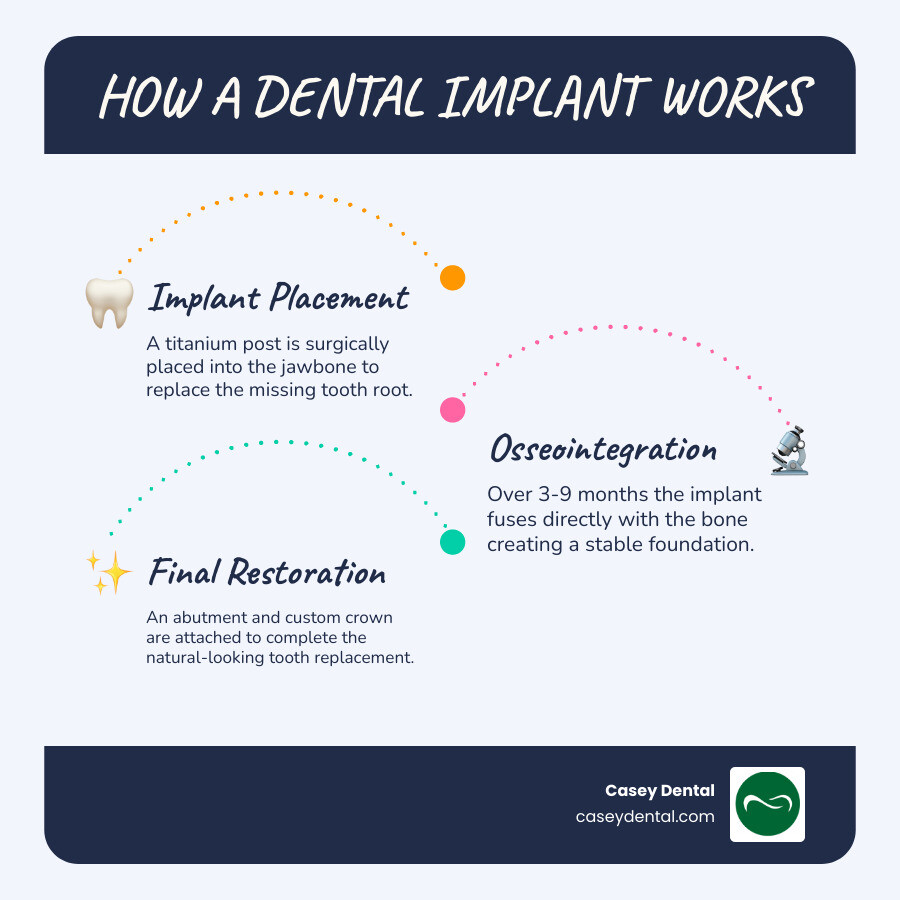
- How they work: Through a biological process called osseointegration, the implant fuses directly with the jawbone, creating a stable, permanent foundation.
- Components: A complete implant system has three parts — the implant post (root), the abutment (connector), and the restoration (visible tooth).
- Success rate: Dental implants have a success rate of up to 98%, and with proper care, the implant itself can last a lifetime.
Millions of Americans deal with tooth loss every year — from decay, gum disease, injury, or simply aging. And for a long time, the only solutions were dentures or bridges. Both help, but neither replaces the root of the tooth.
That is exactly what makes implants different.
A dental implant goes below the gumline, replacing the root itself. This preserves jawbone, keeps surrounding teeth stable, and gives artificial teeth something solid to anchor to. The result looks, feels, and functions like a natural tooth.
Over 3 million implants are placed in the United States every year — and that number keeps growing.
I’m Dr. Shawn Casey, DMD, founder of Casey Dental in Pittston, PA, and I have been placing and restoring dental implants for patients across Luzerne County for over 30 years. Understanding what are dental implants — from the biology to the procedure — is the first step toward making a confident, informed decision about your smile.
What Are Dental Implants and How Do They Work?
When we talk about what are dental implants, we are really talking about the intersection of biology and engineering. Unlike a denture that sits on top of the gums, an implant becomes a part of your body.
The core of the technology relies on a process discovered in the 1950s by Dr. Per-Ingvar Brånemark. He found that titanium could fuse with living bone tissue without being rejected. This discovery revolutionized restorative dentistry, moving us away from temporary “fixes” toward permanent solutions. According to Dental Implants – StatPearls – NCBI Bookshelf, dental implant dentistry is now considered the second oldest dental profession after tooth extraction, dating back to even the Mayans who used shell fragments as early implants!
Defining What Are Dental Implants: A Modern Solution
At its simplest, a dental implant is a biocompatible medical device. Because it is made of materials like titanium or zirconium oxide, your body doesn’t see it as a foreign object. Instead, your jawbone grows around it as if it were a natural tooth root.
According to FDA Safety Information, these devices must meet rigorous ISO and ASTM International standards for safety. They are designed to restore your ability to chew and your cosmetic appearance while preventing the jawbone from shrinking—a common side effect of tooth loss. You can learn more about the specific metals and ceramics used in our guide on what are dental implants made of.
The Three Main Components of a Dental Implant System
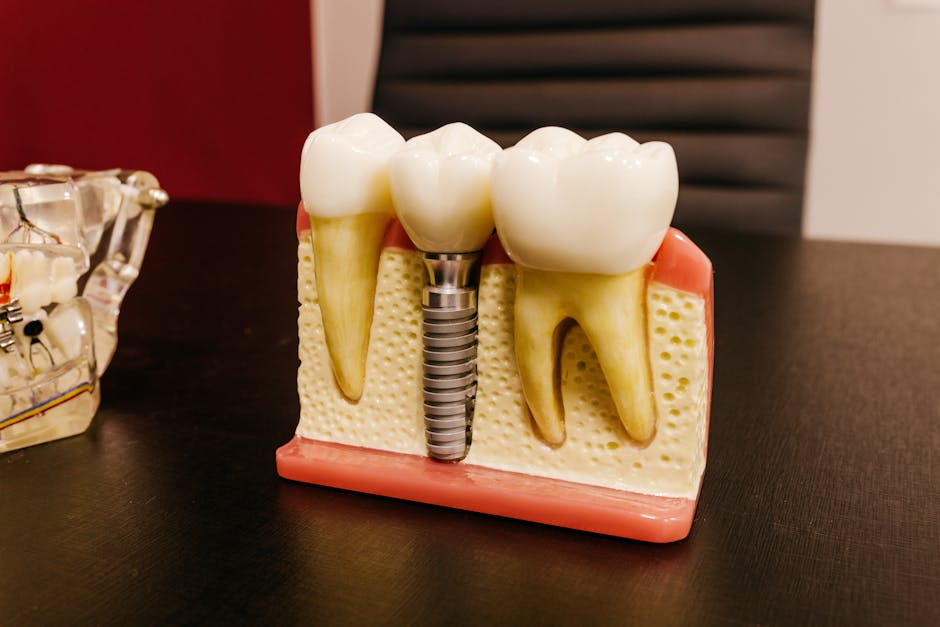
To understand how the system works, we can break it down into three distinct parts:
- The Implant Body (The Post): This is the “screw” that is surgically inserted into the jawbone. It replaces the natural tooth root.
- The Abutment: This is a connector piece. It sits on top of the implant body and acts as the bridge between the post in your bone and the tooth you see in your mouth.
- The Restoration (The Crown): This is the artificial tooth. It is custom-made to match the color, shape, and size of your surrounding teeth. In some cases, this “restoration” might be a bridge or a full set of dentures.
Types of Dental Implants and Restorations
Not every mouth is the same, which is why there isn’t just one type of implant. Depending on your bone density and the number of teeth you are missing, we might recommend different approaches.
- Endosteal Implants: These are the most common. They are placed directly into the bone.
- Subperiosteal Implants: These sit on top of the jawbone but under the gum tissue. We typically use these for patients who don’t have enough healthy natural jawbone and cannot (or do not want to) undergo a bone graft.
Single Tooth Implants vs. All-on-4 Solutions
If you are only missing one tooth, a single tooth implant is the ideal choice. It allows us to replace that tooth without grinding down the healthy adjacent teeth, which is required for a traditional dental bridge.
However, if you are missing an entire row of teeth, we don’t necessarily need an implant for every single tooth. This is where All-on-4 implants come in. This innovative technique uses just four strategically placed implants to support a full arch of permanent teeth. You can read more about what are All-on-4 dental implants to see if this “smile-in-a-day” approach is right for you.
Implant-Supported Bridges and Dentures
For patients who have lost multiple teeth in a row, an implant-supported bridge provides much more stability than a removable partial denture. Similarly, implant-supported dentures (sometimes called “snap-in” dentures) offer a level of security that traditional adhesives simply can’t match. No more worrying about your teeth slipping while you’re enjoying a meal at your favorite Pittston restaurant!
| Feature | Dental Implants | Traditional Bridges | Traditional Dentures |
|---|---|---|---|
| Lifespan | Lifetime (Post) | 10–15 years | 5–7 years |
| Bone Health | Prevents bone loss | No bone protection | Can accelerate bone loss |
| Maintenance | Brush/floss like normal | Special flossing required | Must be removed/soaked |
| Adjacent Teeth | Leaves them untouched | Requires grinding them down | Can put stress on them |
The Dental Implant Procedure and Recovery Timeline
Many patients are surprised to learn that getting a dental implant is a journey, not a single appointment. Because we are waiting for your body to heal and bond with the implant, the process takes time. At Casey Dental, we often use guided implant surgery to ensure the most precise placement possible, which can lead to faster healing.
Understanding Osseointegration and Healing
The “magic” of the procedure happens during a phase called osseointegration. This is the 3 to 9-month period where your jawbone grows into the surface of the implant. According to scientific research on osseointegration, this creates a direct, structural connection between the living bone and the titanium post.
During this time, you aren’t “toothless.” We can often provide a temporary restoration so you can smile and eat while your bone does the hard work of securing the implant.
Preparation and Bone Grafting
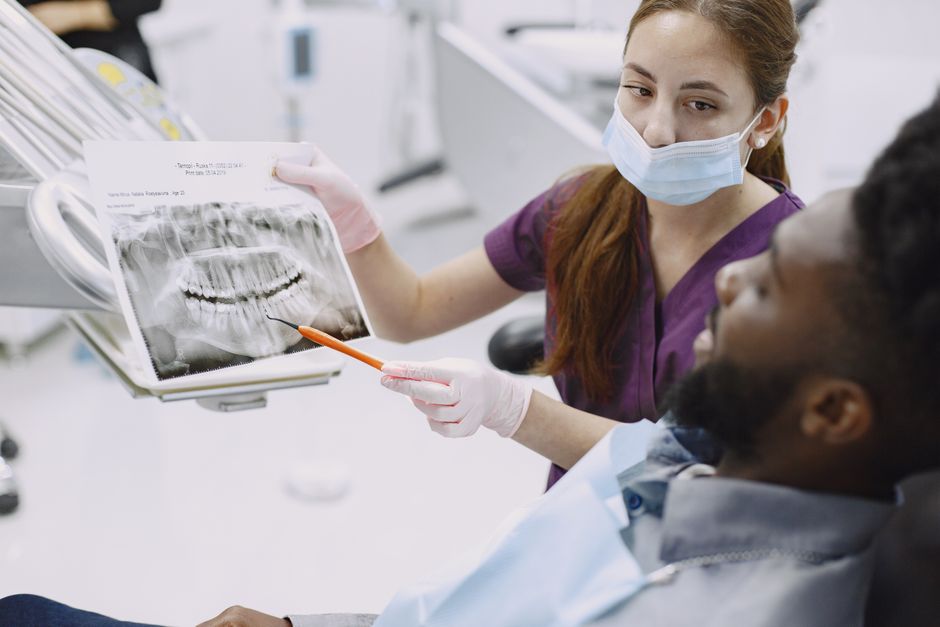
Before surgery, we perform a comprehensive exam. We use 3D imaging (CBCT scans) to look at your bone structure. If your jawbone is too thin or soft, we might need to perform a bone graft first. This involves adding a small amount of bone material to the area to give the implant a sturdier “soil” to plant in. Even if you’ve been told you have severe bone loss, modern techniques often make implants a possibility.
Benefits, Risks, and Candidacy Requirements
When considering what are dental implants compared to other options, the benefits usually far outweigh the risks. While dental veneers are great for cosmetic fixes on existing teeth, implants are the only solution that addresses the health of your jawbone after a tooth is gone.
Why Implants Are the Gold Standard
The statistics speak for themselves. Dental implants have a 98% success rate. While a bridge might need to be replaced every decade, an implant post is designed to last a lifetime. Check out our guide on how long do dental implants last for more details on longevity.
Beyond the numbers, the functional benefits are huge:
- Chewing Power: You can eat steak, apples, and corn on the cob again.
- Bone Preservation: Implants stimulate the bone, preventing that “sunken” facial look that often happens with tooth loss.
- Stability: They don’t click, slip, or require messy glues.
Who Is a Good Candidate for Dental Implants?
Most adults in good general health are candidates. However, there are a few things we look for:
- Healthy Gums: Periodontal disease must be treated before we can place an implant.
- Adequate Bone: You need enough bone to support the post (or be a candidate for grafting).
- Non-Smokers: Smoking significantly increases the risk of implant failure because it slows down the healing process.
- Controlled Systemic Health: Conditions like uncontrolled diabetes can interfere with osseointegration.
Cost, Longevity, and Maintenance
We know that cost is a major factor for our neighbors in Luzerne County. While implants have a higher upfront cost than dentures, they are often the more affordable choice over a lifetime because they don’t need to be replaced every few years.
Factors Influencing the Cost of Dental Implants
The price of your procedure depends on several factors:
- The number of implants needed.
- Whether you require bone grafting or sinus lifts.
- The type of restoration (crown vs. full denture).
- The expertise of the surgical team.
For a detailed breakdown, see our Dental Implants Cost Guide 2026 or our specific look at costs in Luzerne County. We also provide information on how much are implant dentures for those looking at full-arch solutions.
Caring for Your Investment
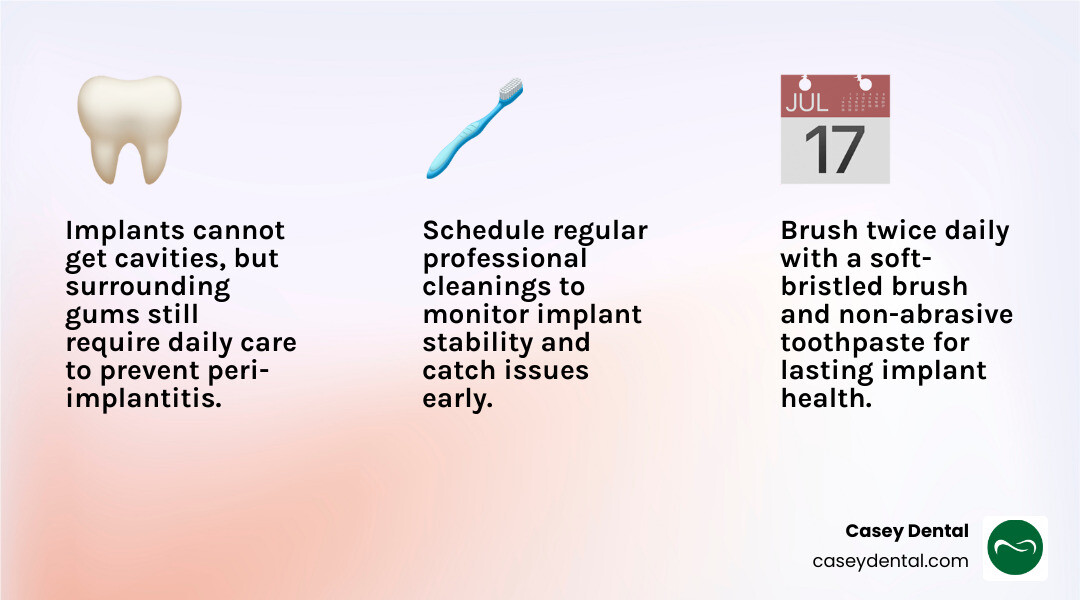
One of the best things about dental implants is that they can’t get cavities! However, the gums around them can still get infected (a condition called peri-implantitis). To keep your implants healthy:
- Brush twice a day with a soft-bristled brush.
- Use a non-abrasive toothpaste.
- Floss daily (we can show you special techniques for bridges).
- Visit us for regular professional cleanings.
Frequently Asked Questions about What Are Dental Implants
How long does the entire process take?
Typically, the process takes anywhere from 3 to 9 months. This includes the initial surgery, the months of osseointegration (healing), and the final placement of your custom crown. If bone grafting is required, it may add a few extra months to the timeline.
Is the dental implant procedure painful?
Most of our patients tell us the procedure was much more comfortable than they expected. We use local anesthesia to numb the area, and for patients who are a bit nervous, we offer various sedation options. Most post-operative discomfort can be managed with over-the-counter pain relievers like Tylenol or Advil and usually subsides within a few days.
Can dental implants fail?
While rare (remember that 98% success rate!), failures can happen. The most common causes are smoking, uncontrolled diabetes, or poor oral hygiene leading to infection. Following our post-operative instructions is the best way to ensure your implant stays healthy for decades to come.
Conclusion
At Casey Dental, we believe that everyone deserves a smile they can be proud of. Understanding what are dental implants is the first step in reclaiming your confidence and your health. Whether you are looking for a single tooth replacement or a full-arch restoration, our award-winning team in Pittston, PA, is here to provide comprehensive, high-quality care using the latest dental technology.
As of May 2026, dental implants remain the most effective and long-lasting solution for missing teeth, offering a 98% success rate and life-changing functional benefits. If you are ready to restore your smile with high-quality, compassionate care, contact Casey Dental in Pittston, PA, to schedule your consultation. Our team provides comprehensive restorative services and emergency care to ensure your oral health is always protected. For essential oral hygiene products to maintain your new smile, visit our patient store. You can also learn more about our specific dental implant services online or call us to see why we are the trusted choice for families across Pittston and Luzerne County.