
Why Understanding Dental Veneer Pricing Matters
Dental veneer pricing can be a mystery. Costs vary widely depending on several factors, and knowing what to expect helps you make a confident decision.
Quick Answer: Dental Veneer Pricing Overview
- Porcelain veneers: $800 to $2,500 per tooth
- Composite veneers: $250 to $1,500 per tooth
- Full set (8-20 teeth): $4,800 to $50,000
- Average lifespan: Porcelain lasts 10-15 years; composite lasts 5-7 years
- Insurance coverage: Typically not covered (cosmetic procedure), except in cases of dental trauma or medical necessity
Veneers are thin shells that cover the front of your teeth to improve their appearance. They can fix chips, gaps, stains, and misalignment, often dramatically changing how you feel about your smile. But the investment is significant, and most dental insurance plans won’t cover them since they’re considered cosmetic.
That’s why understanding what drives the cost matters so much. From the type of material you choose to your dentist’s expertise and location, multiple factors influence the final price. Some families start with just a few veneers on visible teeth to manage costs, while others opt for a full smile makeover.
As Dr. Shawn Casey, founder of Casey Dental, I’ve helped countless families in northeast Pennsylvania find veneer solutions that fit their goals and budgets. With over 30 years of cosmetic dentistry experience, I know cost transparency helps you make the best decision for your smile.
This guide breaks down everything you need to know about veneer costs from average prices to hidden fees, insurance coverage, and money-saving alternatives. You’ll learn what influences pricing, how to evaluate your options, and what questions to ask during your consultation.
Understanding the Average Cost of Dental Veneers
When considering dental veneers, a common question is, “How much will this cost?” Investing in your smile is a significant decision, and we’re here to clarify the average costs you might encounter in Pennsylvania and across the US.
On average, the cost of veneers can range between $400 and $2,000 per tooth. This wide range accounts for different materials, the complexity of your case, and where you seek treatment. For a full mouth of veneers, which typically involves 8 to 20 teeth, the total cost can range from $4,000 to $30,000 or more, depending on the state and material chosen. While a significant investment, many patients find the boost in confidence invaluable.
Price Differences: Porcelain vs. Composite Veneers
The material you choose for your veneers is one of the biggest drivers of dental veneer pricing. We primarily work with porcelain and composite veneers, each offering distinct advantages in terms of cost, durability, and aesthetics.
| Feature | Porcelain Veneers | Composite Veneers |
|---|---|---|
| Cost (per tooth) | $800 – $2,000 | $400 – $1,500 |
| Lifespan | 10-15 years, often longer with proper care | 5-7 years |
| Durability | Highly durable, strong, and resistant to chipping | Less durable, more prone to chipping and wear |
| Aesthetics | Excellent natural appearance, mimics tooth enamel translucency, highly stain-resistant | Good natural appearance, can be polished but may stain over time |
| Procedure Time | Typically 2 appointments over a few weeks | Often completed in a single appointment |
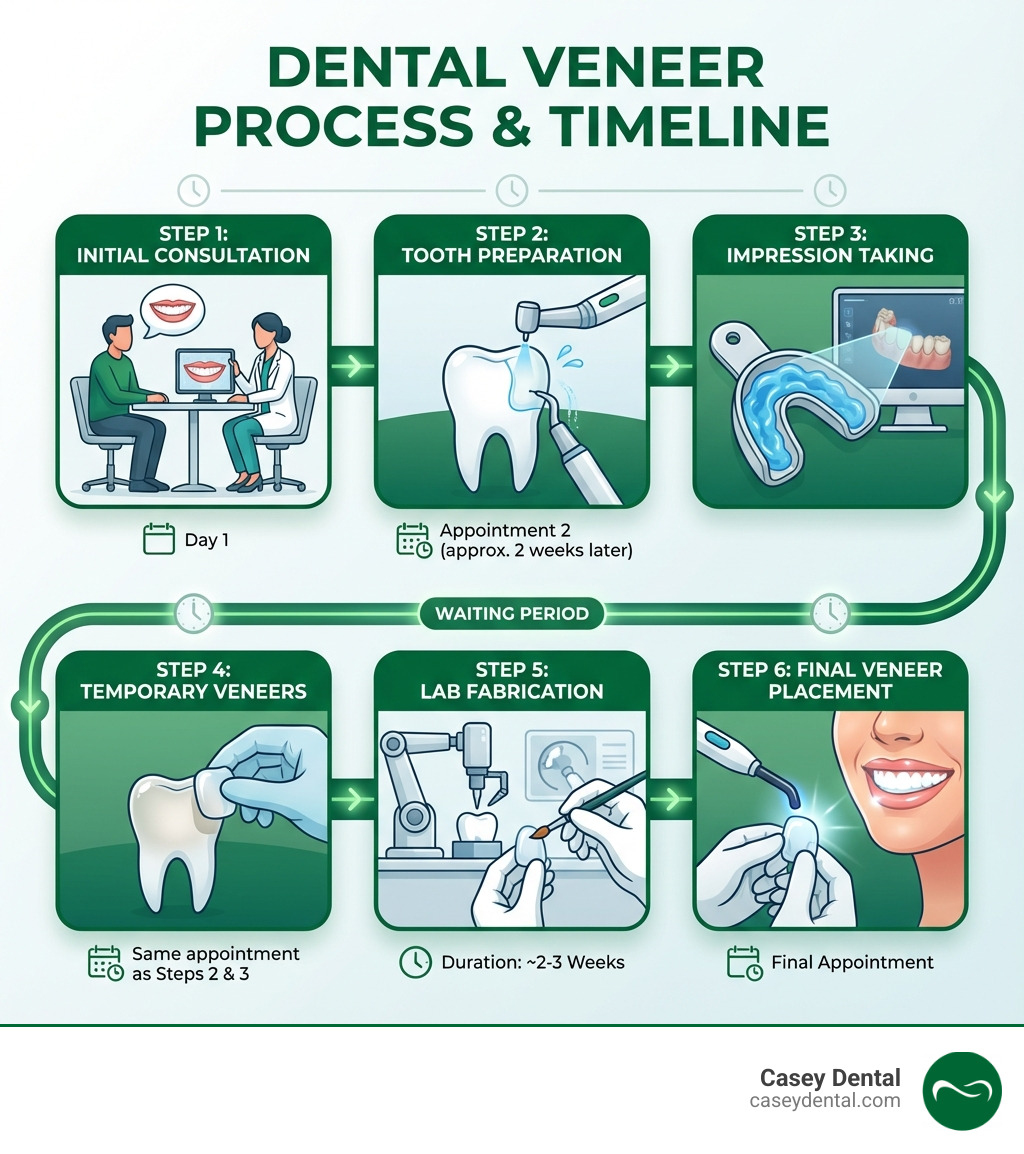
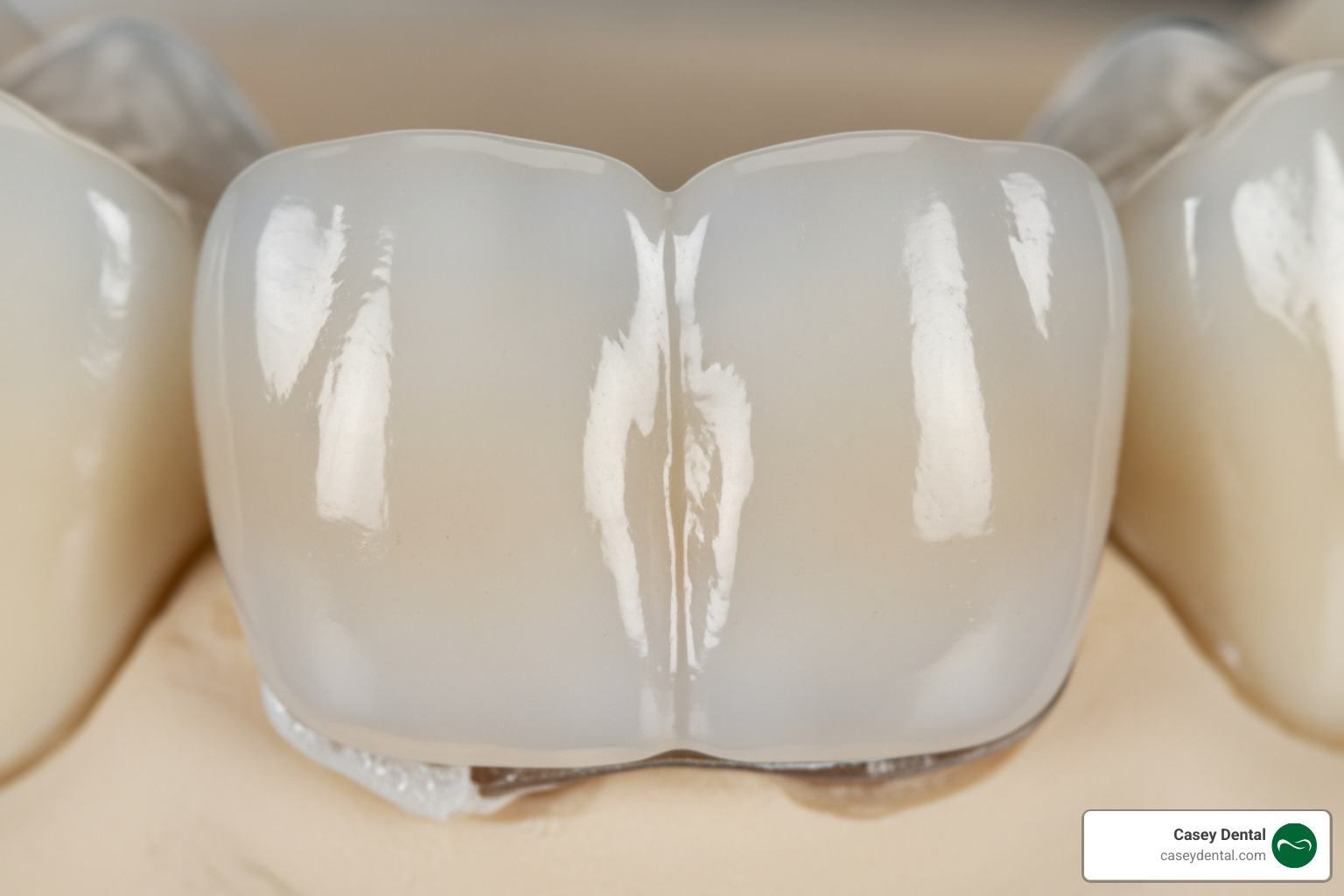
Porcelain veneers are often considered the “gold standard” for their exceptional durability, natural appearance, and resistance to staining. They are custom-made in a dental lab to precisely match the color and shape of your existing teeth, or to create your desired new smile. The process usually involves two appointments: one for preparation and impressions, and a second for bonding the finished veneers. While the initial investment is higher, their longevity often makes them a cost-effective choice in the long run. You can find more info about porcelain veneers here.
Composite veneers, on the other hand, are made from a resin-based material that we apply directly to your teeth. This allows us to sculpt and shape the veneer right in our office, often in a single visit. They are a more affordable option upfront and can be a great choice for correcting minor imperfections. However, composite veneers are generally less durable and more prone to staining than porcelain, meaning they may require more maintenance and replacement sooner.
How the Number of Veneers Affects Total Cost
It might seem obvious, but the more teeth you decide to improve with veneers, the higher your overall dental veneer pricing will be. However, it’s not always a linear increase.
- Single Tooth Repair: If you have a single chipped or discolored tooth, we can often address just that one tooth. While the cost per tooth might seem higher for a single veneer (due to the complexity of matching it perfectly to your natural teeth), it’s a much smaller overall investment than a full set.
- Smile Design for Visible Teeth: Most patients opt for veneers on their most visible teeth, typically the front 6 to 8 teeth in the upper arch. This allows for a significant smile change without veneering every tooth. The cost for 6-8 veneers will naturally be a multiple of the per-tooth cost, often with some efficiency savings compared to individual repairs.
- Full Set Pricing: For a complete smile makeover, we might recommend 16 to 20 veneers (both upper and lower arches). This is the priciest option, but it offers the most dramatic and uniform results.
- Phased Treatment: We understand that a full smile makeover can be a substantial investment. For some patients, we can discuss a phased treatment plan, starting with the most visible teeth and adding more veneers over time as your budget allows.
Whether you’re looking to fix a minor imperfection or achieve a dazzling new smile, we’ll work with you to create a personalized treatment plan that addresses your goals and considers your budget. To learn more about how veneers can address various concerns, visit What Are Dental Veneers?.
Key Factors That Influence Dental Veneer Pricing
Beyond material and number, other factors influence the final dental veneer pricing. Like buying a car, variables like the region and technician’s skill play a role. The same holds true for your smile change!
These variables ensure that each patient receives a customized solution, but they also contribute to the range in costs. Understanding these factors will empower you to have a more informed discussion with our team. We believe in transparency, and we’re always happy to provide a detailed breakdown of your treatment plan. The longevity and success of your veneers are paramount, and choosing the right approach is an investment in your long-term oral health and confidence.
Dentist’s Expertise and Geographic Location
Just like in any specialized field, the experience and reputation of your dentist can impact the dental veneer pricing.

- Cosmetic Dentist vs. General Dentist: While many general dentists perform veneer procedures, a cosmetic dentist often has additional training, certifications, and a deeper artistic eye specifically focused on aesthetic outcomes. Their expertise can translate into more precise results, custom shading, and a natural-looking smile that truly complements your features. This specialized skill often comes with a higher fee, but many patients find it a worthwhile investment for a flawless result. We pride ourselves on our expertise in Cosmetic Dentistry Scranton.
- Geographic Location: The cost of living and operating a dental practice varies significantly by region. For example, dental veneer pricing in a metropolitan area like Philadelphia might be higher than in a smaller town within Luzerne County. In our practice, located in Pittston, PA, we strive to offer competitive pricing while maintaining the highest standards of care.
When choosing a dentist for veneers, we encourage you to look for someone who is licensed, has experience in cosmetic dentistry, can provide before-and-after photos, and has positive patient reviews. Your comfort and satisfaction are our top priorities.
Understanding the Nuances of Dental Veneer Pricing by Material and Technology
The choice of materials and the technology used in creating your veneers are crucial aspects that affect both the quality and the cost.
- Lab Fees: For porcelain veneers, a significant portion of the cost goes towards the dental lab that custom-fabricates your veneers. These labs employ highly skilled technicians who carefully craft each veneer to our exact specifications, ensuring a perfect fit, shade, and shape. The quality of the lab and the materials they use directly impact the final product.
- CAD/CAM Technology: Some dental practices, including ours, use advanced CAD/CAM (Computer-Aided Design/Computer-Aided Manufacturing) technology. This allows us to design and even mill porcelain veneers in-house, sometimes in a single visit. While the initial investment in this technology is substantial for us, it can reduce lab fees and streamline the process for you.
- Advanced Materials: Beyond traditional porcelain, newer, advanced materials like Zirconia and Emax offer unique advantages. Zirconia veneers are known for their exceptional strength and durability, making them suitable for patients who clench or grind their teeth. Emax veneers, a type of lithium disilicate ceramic, are prized for their high translucency, which allows them to mimic the natural enamel of your teeth beautifully. These advanced materials, due to their superior properties and manufacturing complexity, can also influence the dental veneer pricing.
Choosing the right material and ensuring it’s crafted with precision is a blend of science and art. Our goal is always to deliver a result that is not only beautiful but also durable and long-lasting. To understand more about the specialized role a cosmetic dentist plays, you can visit What Does a Cosmetic Dentist Do in Dentistry?.
Are There Additional Costs and Does Insurance Help?
When budgeting for veneers, it’s important to look beyond the per-tooth cost. Associated costs and pre-treatment procedures contribute to the overall dental veneer pricing. And, of course, the big question is, “Will my dental insurance cover this?” Let’s explore these aspects.
Associated Costs Beyond the Veneer Itself
Here are some common additional costs that might be part of your veneer treatment plan:
- Initial Consultation Fees: Before we even begin discussing veneer materials, we’ll conduct a thorough examination. This initial consultation, which often includes X-rays and potentially 3D scans, helps us assess your oral health, discuss your aesthetic goals, and determine if veneers are the right option for you. These diagnostic tools are essential for proper planning and ensuring a successful outcome.
- Pre-treatment Procedures: If you have underlying oral health issues like cavities, gum disease, or significant misalignment, these will need to be addressed before veneers can be placed. Procedures such as fillings, gum contouring (to ensure an even gum line for your new veneers), or even orthodontic adjustments can add to the total cost. We always prioritize your overall oral health first.
- Temporary Veneers: For porcelain veneers, we often place temporary veneers while your custom permanent ones are being fabricated in the lab. These temporary solutions protect your prepared teeth and allow you to get a preview of your new smile. There might be a separate charge for these.
- Follow-up Appointments: After your permanent veneers are bonded, we’ll schedule follow-up appointments to ensure they fit comfortably, your bite is correct, and you’re happy with the results. These appointments are crucial for long-term success and may be included in the overall fee or charged separately.
We believe in full transparency, which is why we provide a detailed price breakdown upfront, so there are no surprises.
Navigating Dental Veneer Pricing with Insurance
One of the most common questions we hear is about insurance coverage for veneers. Unfortunately, the simple answer is: most dental insurance policies do not cover veneers.
- Cosmetic vs. Restorative Procedures: Dental insurance providers typically classify veneers as a cosmetic procedure, meaning they are primarily intended to improve appearance rather than restore function or health. As such, they often fall outside the scope of covered benefits.
- Insurance Coverage Exceptions: There are rare exceptions. If veneers are deemed medically necessary to repair teeth damaged by trauma, decay, or other health-related issues, your insurance might offer partial coverage. For example, if you’ve chipped a front tooth in an accident and a veneer is the recommended restorative treatment, a portion of the cost might be covered. However, this is usually at a reduced percentage (e.g., 30-50%) and subject to your annual maximums.
- Filing a Claim: If you believe your situation qualifies for partial coverage due to medical necessity, we can help you with the necessary documentation to file a claim with your insurance provider. It’s always best to check directly with your insurance company to understand your specific policy and what, if anything, might be covered.
- Financing Options: Since insurance coverage is limited, many patients explore financing options. We can discuss in-house payment plans, third-party financing solutions, or the use of Health Savings Accounts (HSAs) or Flexible Spending Accounts (FSAs) to help make your dream smile more affordable.
We encourage you to discuss your concerns about dental veneer pricing and insurance coverage with our team during your consultation. We’re here to help you explore all available options. For more information on cosmetic dental procedures and how they can improve your smile, please visit our page on More info about Cosmetic Dentistry.
The Value of Veneers and Affordable Alternatives
Investing in veneers is more than just a dental procedure; it’s an investment in your confidence and overall well-being. We’ve seen how a beautiful, healthy-looking smile can transform lives, boosting self-esteem and opening new doors. However, we also understand that veneers might not be the right solution for everyone, and there are more affordable alternatives to consider.
The long-term benefits of veneers often outweigh the initial dental veneer pricing. Porcelain veneers, with their exceptional durability and stain resistance, can last 10 to 15 years or even longer with proper care. This means you can enjoy your radiant smile for a significant portion of your life, making the investment truly valuable. While the procedure is generally irreversible due to the necessary enamel removal, the aesthetic and psychological benefits are often profound. If you’re weighing your options between different smile improvements, you might find our comparison of Dental Implants vs. Dental Veneers helpful.
Typical Lifespan and Long-Term Value
Understanding the lifespan of different veneer types is key to assessing their long-term value and dental veneer pricing.
- Porcelain Veneer Lifespan: As mentioned, porcelain veneers are incredibly durable and can last between 10 to 15 years, with many patients enjoying them for 20 years or more. Their resistance to staining means they maintain their bright, natural appearance over time. While the upfront cost is higher, their longevity often makes them a more cost-effective choice in the long run, as you won’t need to replace them as frequently.
- Composite Veneer Lifespan: Composite veneers typically have a shorter lifespan, usually lasting 5 to 7 years. While they are more affordable initially, their greater susceptibility to chipping, wear, and staining means they may require more frequent repairs or replacements. When considering the long-term, the accumulated cost of maintaining or replacing composite veneers could eventually approach or even exceed that of porcelain.
- Maintenance Requirements: Regardless of the material, proper oral hygiene is crucial for maximizing the lifespan of your veneers. This includes regular brushing, flossing, and routine dental check-ups. We also recommend avoiding biting hard objects and, if you clench or grind your teeth, wearing a night guard to protect your investment.
When we discuss dental veneer pricing with our patients, we always encourage them to consider the long-term value and expected lifespan, not just the initial cost.
More Affordable Alternatives to Traditional Veneers
We believe everyone deserves a smile they love, and for those who find the dental veneer pricing outside their current budget, or whose dental issues are less severe, there are excellent alternative treatments available:
- Teeth Bonding: Dental bonding uses a tooth-colored composite resin, similar to that used for composite veneers, to fix minor chips, cracks, gaps, or discoloration. It’s a less invasive and more affordable option than veneers, often completed in a single visit. However, bonding is not as durable or stain-resistant as porcelain veneers and typically lasts 5 to 10 years.
- Dental Crowns: For teeth that are severely damaged, decayed, or have undergone root canal treatment, a dental crown might be a more appropriate solution. Unlike veneers, which cover only the front surface, crowns encase the entire tooth, providing strength and protection. While generally more expensive than a single veneer, they are often covered by insurance if deemed medically necessary. You can find More info on Dental Crowns here.
- Professional Teeth Whitening: If your primary concern is tooth discoloration, professional teeth whitening can dramatically brighten your smile at a fraction of the cost of veneers. We offer in-office and take-home whitening options that can achieve impressive results.
- Orthodontics: For issues like crooked teeth or gaps, orthodontic treatments such as traditional braces or clear aligners might be the best long-term solution. While they take longer, they address the underlying alignment problems and can provide a beautifully straight smile without altering your tooth structure.
During your consultation, we’ll discuss all these options and help you determine the best path to achieve your desired smile within your budget and oral health needs.
Frequently Asked Questions about Veneer Costs
We know that understanding dental veneer pricing can bring up a lot of questions. Here are some of the most common ones we hear, along with our answers, to help you feel more informed and confident about your decisions.
How can patients save money on the cost of veneers?
We understand that veneers are an investment, and we’re committed to helping our patients find ways to make their dream smile a reality. Here are some actionable steps you can take to manage the dental veneer pricing:
- Financing Options: We offer various financing options, including third-party payment plans that allow you to spread the cost of treatment over several months or years. This can make the investment more manageable by breaking it down into affordable monthly payments.
- In-House Payment Plans: Our practice may offer flexible in-house payment plans custom to your budget. Don’t hesitate to ask our administrative team about these options during your consultation.
- Phased Treatment: As mentioned earlier, you don’t always have to get all your veneers at once. We can develop a phased treatment plan, starting with the most visible teeth and adding more over time. This allows you to manage the financial commitment in stages.
- Choosing Composite Over Porcelain: If your budget is a primary concern, composite veneers offer a more affordable upfront solution compared to porcelain. While they have a shorter lifespan, they provide an excellent aesthetic improvement at a lower initial cost.
- Dental Discount Plans: While not insurance, some dental discount plans offer reduced rates on various dental procedures, including cosmetic treatments. It’s worth researching if such plans are available and beneficial in your area.
- Use HSAs or FSAs: If you have a Health Savings Account (HSA) or Flexible Spending Account (FSA) through your employer, you can use these tax-advantaged funds to pay for dental veneers.
Always remember to ask for a full cost breakdown upfront from our team to avoid any hidden costs or surprises. We’re here to help you steer the financial aspects of your treatment with ease.
Are veneers a permanent procedure?
Yes, dental veneers are generally considered a permanent and irreversible procedure. This is primarily due to the tooth preparation involved. For traditional veneers, a small amount of enamel (typically about 0.5 mm) must be removed from the front surface of your teeth to allow the veneer to fit properly and achieve a natural appearance without adding bulk. Once enamel is removed, it cannot be replaced.
This means that once you commit to veneers, you’ll always need a restoration on those teeth. While veneers are designed to be long-lasting, they will eventually need to be replaced, typically after 10-15 years for porcelain or 5-7 years for composite. Minimal-prep veneers, which require very little to no enamel removal, are sometimes considered reversible, but this depends on the specific case and the amount of preparation performed. We will discuss this in detail during your consultation to ensure you understand the long-term commitment.
Do veneers ruin your natural teeth?
This is a common concern, and it’s a valid one! The answer is no, veneers do not “ruin” your natural teeth when placed properly by a skilled dentist. In fact, they can even protect compromised enamel.
Here’s why:
- Tooth Preparation: As mentioned, a small amount of enamel is typically removed to make space for the veneer. This preparation is carefully planned and executed to preserve as much of your natural tooth structure as possible. The goal is to create a strong, healthy foundation for the veneer, not to damage the tooth.
- Enamel Preservation: Our priority is always to be as conservative as possible with tooth preparation. The veneer then bonds securely to the prepared enamel, becoming an integral part of your tooth.
- Proper Application: When veneers are expertly applied, they fit precisely, protect the underlying tooth, and are sealed to prevent decay.
- Protecting Underlying Tooth: The veneer itself acts as a protective layer over the natural tooth structure, guarding it against further wear, chips, or stains.
The key to ensuring your natural teeth remain healthy and protected lies in choosing an experienced cosmetic dentist. With proper planning, precise execution, and diligent oral hygiene on your part, veneers can improve your smile beautifully without compromising the health of your natural teeth.
Conclusion: Making an Informed Decision for Your Smile
Navigating dental veneer pricing can seem daunting, but we hope this comprehensive guide has shed some light on the various factors that contribute to the cost of your dream smile. We’ve explored everything from the material choices like porcelain and composite, to how the number of veneers impacts your total investment. We’ve also digd into the crucial roles of your dentist’s expertise and our geographic location here in Pennsylvania, as well as the impact of advanced dental technology.
The initial consultation fees, any necessary pre-treatment procedures, and even temporary veneers can all be part of the overall cost. While dental insurance typically doesn’t cover cosmetic veneers, there are exceptions for medically necessary cases, and we’re always here to discuss flexible financing options to make your treatment accessible.
Investing in veneers is an investment in yourself. The long-term benefits of a confident, radiant smile often far outweigh the initial financial commitment. With proper care, your porcelain veneers can last for many years, providing enduring beauty and functionality. And if traditional veneers aren’t the right fit for you, we’ve highlighted several affordable alternatives like dental bonding, professional teeth whitening, and orthodontics.
At Casey Dental, we believe that everyone deserves a smile they’re proud to share. Our team is dedicated to providing award-winning, comprehensive dental services right here in Pittston, PA, utilizing cutting-edge technology and focusing on your comfort. We invite you to schedule a consultation with us. We’ll listen to your goals, assess your oral health, and provide a transparent, detailed plan custom just for you. Let us help you decode the costs and start on your journey to a more confident, beautiful smile.