What Missing Teeth Are Costing You — and How Dental Bridges in Pittston PA Can Help
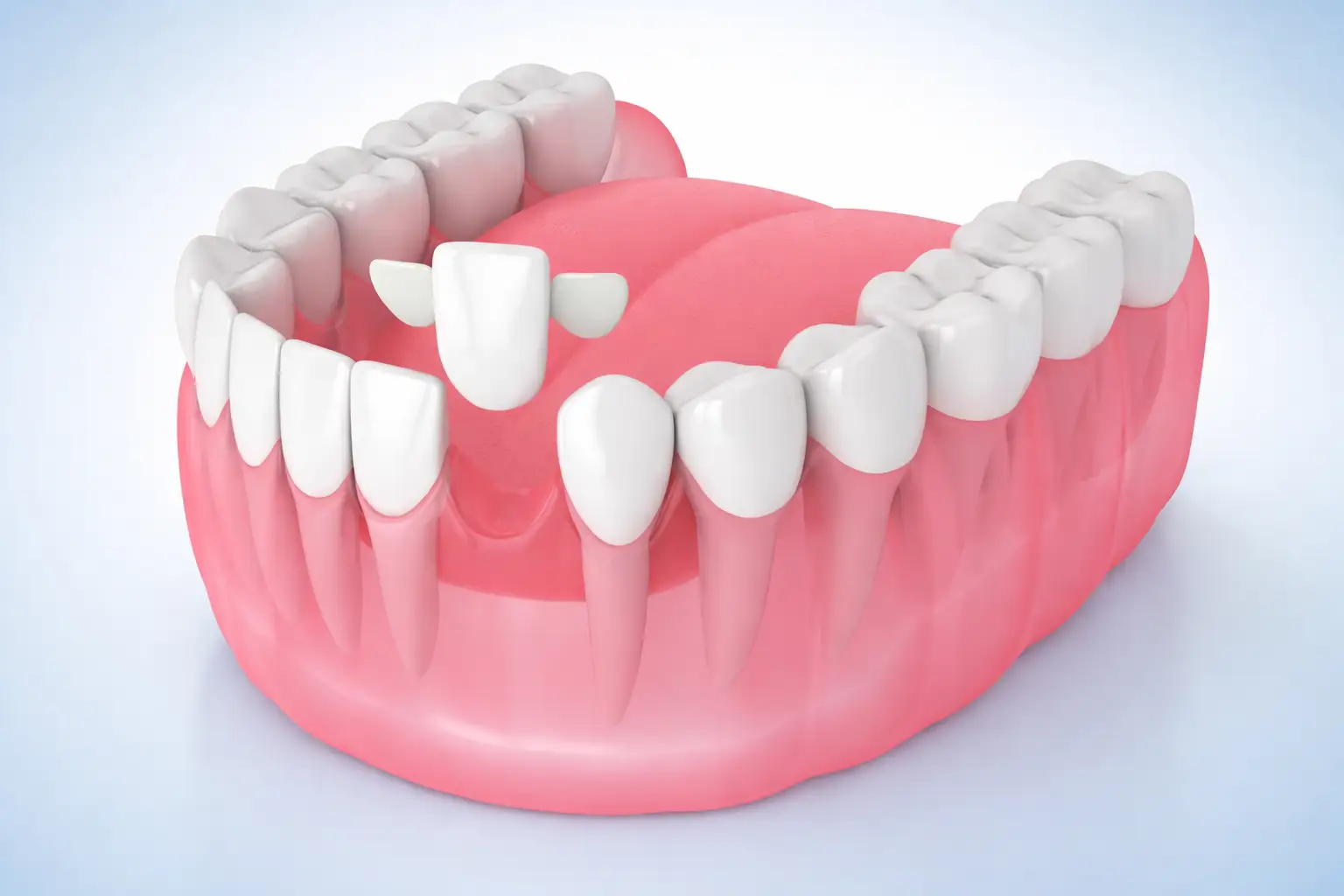
Dental bridges in Pittston, PA are custom restorations that fill the gap left by one or more missing teeth, anchoring an artificial tooth between two crowns placed on the teeth on either side of the gap.
Quick answers for Pittston residents:
- What it is: A fixed prosthetic that replaces missing teeth without surgery
- Types available: Traditional, cantilever, Maryland bonded, and implant-supported bridges
- How long it takes: Typically two office visits over a few weeks
- How long it lasts: 10 to 15+ years with good oral hygiene
- Who it’s for: Adults with one or more missing teeth and healthy neighboring teeth or adequate jawbone support
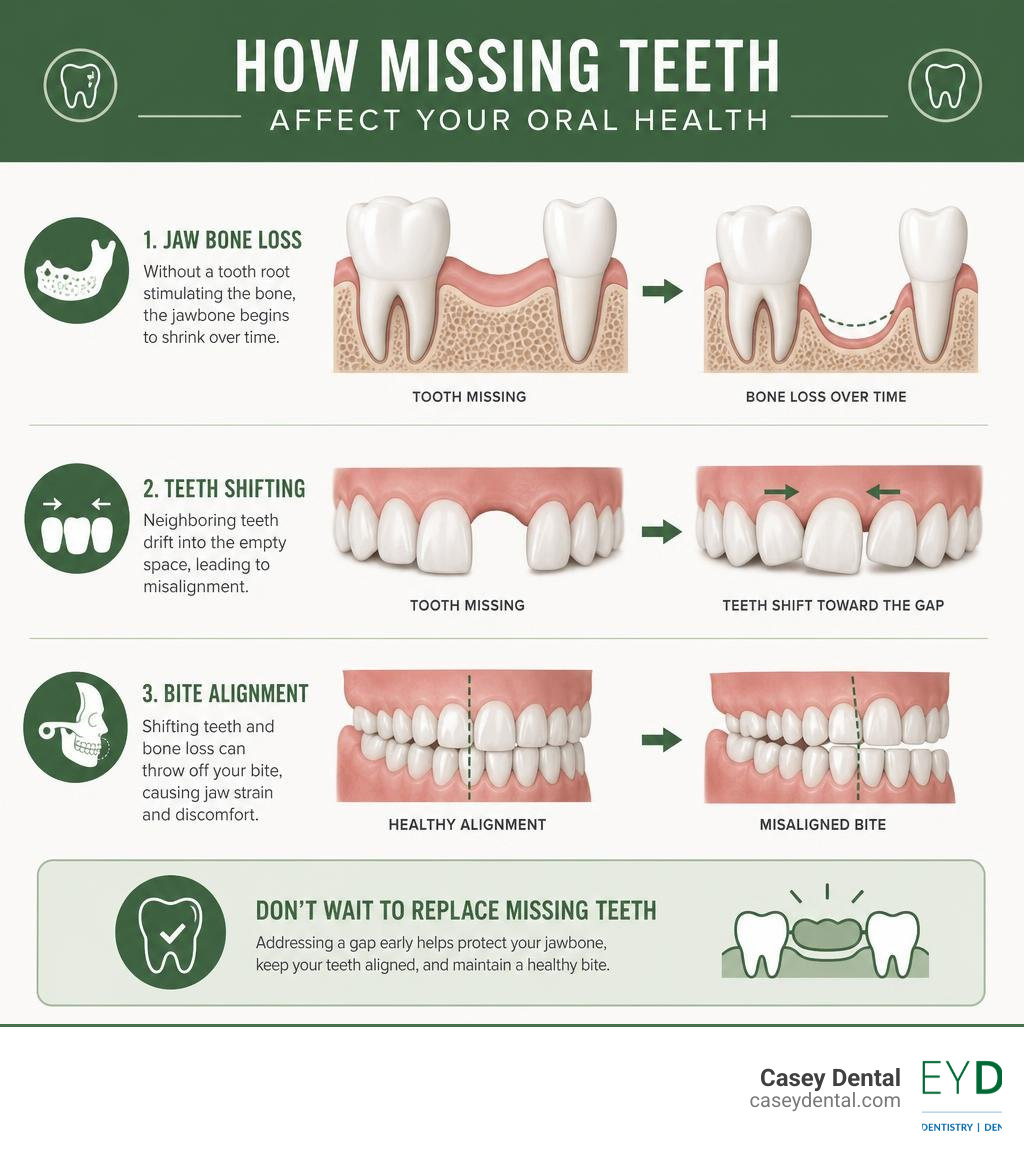
Missing a tooth affects more than how you look. It changes how you chew, how you speak, and — over time — how your jaw is shaped. When a tooth is gone, the bone beneath it starts to shrink because it no longer receives stimulation from biting and chewing. Nearby teeth begin to drift into the empty space, throwing off your bite and increasing your risk of gum disease and jaw pain.
The longer a gap goes untreated, the more complicated — and costly — the fix becomes.
For many patients in Luzerne County, a dental bridge is the most practical, proven way to close that gap, restore full chewing function, and protect the teeth that remain.
I’m Dr. Shawn Casey, founder of Casey Dental, and I’ve been providing dental bridges in Pittston, PA and across northeast Pennsylvania since opening my first practice in 1994 — giving me over 30 years of hands-on experience helping patients restore their smiles with modern, durable restorations. In the sections below, I’ll walk you through everything you need to know to make a confident, informed decision about your tooth replacement options.
What is a Dental Bridge and How Does It Work?
At its core, a dental bridge does exactly what its name implies: it bridges the gap created by one or more missing teeth. It is a time-tested, highly reliable method of restoring both the function and appearance of your smile. When you lose a tooth, the surrounding teeth lose their structural support. A dental bridge steps in to restore your natural chewing function, maintain clear speech clarity, and keep your remaining teeth perfectly aligned.
By filling the empty space, a bridge distributes the forces in your bite more evenly. This prevents the remaining natural teeth from working overtime and wearing down prematurely. If you have been struggling to enjoy your favorite meals or find yourself hiding your smile in photos, exploring dental bridges is an excellent first step. To understand how a bridge fits into the broader picture of tooth replacement, you can read more about everything you need to know about missing teeth solutions in pittston pa.
The Anatomy of a Bridge: Pontics and Abutments
To understand how a dental bridge works, it helps to look at its anatomy. A bridge is made up of two primary components:
- The Pontic: This is the artificial tooth (or teeth) that fills the gap. Pontics can be crafted from beautiful, durable materials such as porcelain, gold, zirconia, or non-precious metal alloys. Porcelain is highly popular because it can be customized to match the exact shade and translucency of your natural teeth.
- The Abutments: These are the anchor points. In a traditional bridge, the abutments are your natural teeth on either side of the gap. These supporting teeth are fitted with dental crowns, which hold the pontic securely in place.
Understanding how these parts work together is key to understanding the restorative process. The neighboring teeth must be strong and healthy to serve as reliable anchors. To learn more about how we design these individual supports, you can check out our articles on dental crowns the art and science of restoring smiles as well as our detailed guide to dental crowns.
Why You Should Address Missing Teeth Promptly
It is easy to think of a missing tooth as a purely cosmetic issue, especially if it is located near the back of the mouth where it is not easily seen. However, leaving a gap untreated can trigger a domino effect of oral health problems.
When a tooth is lost, the underlying jawbone no longer receives the mechanical stimulation it needs from chewing. This lack of stimulation leads to a biological process known as bone resorption, where the bone tissue begins to shrink and weaken. This loss of bone can alter your facial structure, leading to a sunken appearance over time.
Additionally, teeth rely on their neighbors to stay in place. Without a tooth next to them, the remaining teeth will naturally begin to shift and tilt into the empty space. This shifting disrupts your bite alignment, which can lead to chronic jaw pain, headaches, and difficulty chewing. Furthermore, these shifted teeth create hard-to-reach pockets where plaque and food particles accumulate, significantly increasing your risk of gum disease and tooth decay. Scientific research on the consequences of untreated tooth loss highlights how quickly these issues can escalate, emphasizing the importance of timely restorative care.
Types of Dental Bridges in Pittston PA
When you visit us for restorative dentistry, we do not believe in a one-size-fits-all approach. Every smile is unique, which is why we offer several types of custom prosthetics designed to meet your specific health goals, budget, and lifestyle. If you are looking for local care, you can learn more about our dedicated approach through our guide on pittston dental care expert services for healthy smiles at casey dental.
Traditional and Cantilever Bridges
The traditional dental bridge is the most common type used in modern dentistry. It features one or more pontics held in place by dental crowns cemented onto the natural teeth on both sides of the gap. To prepare for a traditional bridge, we must carefully reshape the adjacent abutment teeth by removing a small amount of enamel to ensure the crowns fit comfortably over them. This option provides exceptional strength and durability, making it ideal for replacing missing molars that endure heavy chewing forces.
A cantilever bridge is similar to a traditional bridge, but it is used when there is a healthy anchor tooth on only one side of the empty space. Because it is supported by a single crown, a cantilever bridge acts like a bracket. While highly useful in specific situations — such as replacing a front tooth — it is generally not recommended for the back of the mouth, as the single anchor tooth must bear all of the biting pressure.
Maryland Bonded Bridges
If you are looking for a more conservative treatment that preserves your natural tooth structure, a Maryland bonded bridge may be the ideal option. Instead of using dental crowns that require reshaping neighboring teeth, a Maryland bridge uses a lightweight framework of porcelain or metal “wings.” These wings are bonded directly to the back of the adjacent anchor teeth, leaving your natural enamel completely intact.
Maryland bridges are particularly popular for replacing missing front teeth, and they are an excellent, conservative choice for younger patients whose jaws and teeth are still developing. To discover why this conservative approach remains highly valued today, take a look at our article on why resin bonded bridges are making a comeback.
Implant-Supported Bridges
For the ultimate in stability and bone preservation, an implant-supported bridge is the gold standard of modern tooth replacement. Instead of relying on natural teeth for support, this prosthetic is anchored by biocompatible titanium posts placed directly into the jawbone.
Because the titanium posts mimic natural tooth roots, they stimulate the surrounding bone tissue, actively preventing jawbone resorption. Implant-supported options are incredibly sturdy, eliminate the need to alter healthy adjacent teeth, and can replace multiple missing teeth in a row. You can explore the foundational technology behind this option by reading about dental implants.
Dental Bridges vs. Dental Implants: Which is Right for You?
Choosing between a traditional bridge and a dental implant is a common decision for patients seeking to restore their smiles. Both options offer outstanding cosmetic and functional benefits, but they differ significantly in terms of structure, longevity, and treatment process.
To help you visualize how these solutions compare, we have outlined the key differences below:
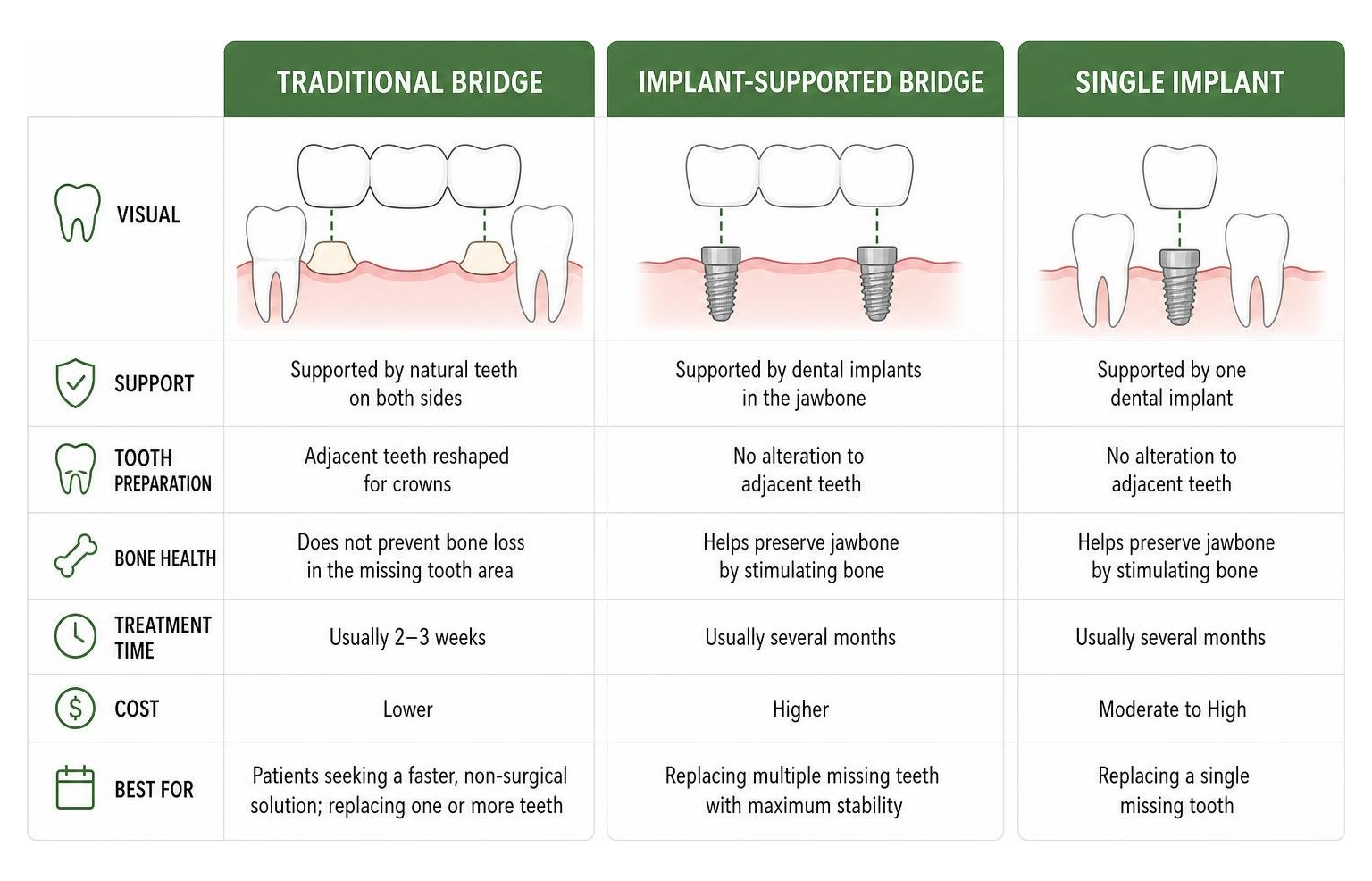
While implants are often considered the premier choice for long-term tooth replacement, traditional bridges remain an outstanding, highly reliable solution — especially for patients who prefer to avoid surgery or want to complete their treatment quickly. For a deeper comparison of restorative and cosmetic options, read our guide on dental implants vs dental veneers.
Comparing Longevity, Cost, and Procedure Timelines
When weighing your options, three practical factors usually come to the forefront: how long the treatment takes, how much it costs, and how long it will last.
- Timeline: A traditional dental bridge is highly efficient, typically requiring only two office visits spaced about two weeks apart. In contrast, dental implants require a surgical procedure followed by a healing period of several months to allow the post to fuse with the bone (osseointegration) before the final crown can be attached.
- Longevity: Traditional bridges are highly durable, often lasting 10 to 15 years or more with meticulous oral hygiene. However, because they rely on adjacent teeth, they may eventually need to be replaced. Dental implants, when cared for properly, can last a lifetime.
- Cost: Traditional bridges generally have a lower upfront cost than dental implants. However, because implants rarely need replacement, they often represent a more cost-effective long-term investment. To help you plan your budget, we provide detailed resources including our cost of dental implants page and our comprehensive dental implants cost guide 2026.
The Role of Mini Dental Implants in Modern Restorations
For patients who want the stability of an implant-supported bridge but are concerned about healing times, bone density, or cost, mini dental implants offer a alternative.
While traditional implants are typically about 5 millimeters in diameter (roughly the size of a pencil eraser), mini dental implants are less than 3 millimeters in diameter (closer to a crayon tip). Because of their slim profile, mini implants can often be placed in a single, minimally invasive visit without the need for complex bone grafting — even if you have experienced some bone loss.
Furthermore, mini dental implants are highly cost-effective, often costing nearly half as much as traditional implants. A landmark 2010 study highlighted a profound success rate for single-tooth replacements using mini implants, proving that smaller diameter restorations do not compromise on strength or security. To see how these smaller posts compare to traditional options, read about single tooth implants.
The Dental Bridge Procedure: What to Expect
We understand that visiting the dentist for a restorative procedure can sometimes feel intimidating. That is why our team at Casey Dental is dedicated to providing a warm, welcoming, and entirely comfortable environment. We utilize state-of-the-art diagnostic tools and local anesthesia to ensure your treatment is completely pain-free.
During your initial visit, we will thoroughly evaluate your teeth, gums, and jawbone structure to design a personalized treatment plan. In some cases, we can even utilize advanced technology to streamline your care; you can learn more about these modern techniques in our guide to what are same day dental crowns everything you need to know.
Step-by-Step Timeline for Getting Dental Bridges in Pittston PA
Getting a custom dental bridge typically involves a straightforward, two-visit process:
- The Consultation and Preparation: We begin by administering local anesthesia to ensure you are comfortable. Next, we carefully shape the adjacent abutment teeth to make room for the supporting crowns.
- Taking Impressions: Once the teeth are prepared, we take highly accurate digital impressions of your mouth. These scans are sent to a professional dental laboratory, where technicians will custom-craft your bridge over the course of about two weeks to match your natural bite and tooth color.
- The Temporary Bridge: Before you leave your first appointment, we will place a temporary bridge to protect your prepared teeth and maintain your smile’s appearance while your permanent restoration is being fabricated.
- Fitting and Cementation: At your second visit, we will remove the temporary bridge and place your custom, permanent bridge. We will carefully check your bite, make any necessary micro-adjustments, and cement the bridge securely into place.
Who is a Good Candidate for Dental Bridges in Pittston PA?
Most adults who are missing one to three consecutive teeth are excellent candidates for a dental bridge. To ensure long-term success, ideal candidates should meet the following criteria:
- Healthy Abutment Teeth: The teeth on either side of the gap must be strong, structurally sound, and free of decay or advanced gum disease.
- Good Overall Oral Health: Your gums and remaining teeth must be healthy to prevent bacteria from accumulating under the restoration.
- Adequate Bone Support: For implant-supported bridges, you must have sufficient jawbone density to secure the titanium posts (or be a candidate for mini implants).
If you are ready to take the next step, you can learn more about what to expect during your visit by reading about the pittston dental experience quality care with casey dental in pittston pa.
Frequently Asked Questions About Tooth Replacement
Educating our patients is one of our top priorities. Here are the answers to some of the most common questions we receive about replacing missing teeth. For a broader look at our restorative and preventive options, browse our full list of services and learn about our cosmetic dentistry solutions.
Are dental bridges removable?
No, dental bridges are fixed prosthetics, meaning they are permanently cemented onto your natural abutment teeth or secured to dental implants. Unlike removable partial dentures, a fixed bridge stays in your mouth 24/7, offering exceptional stability. You do not have to worry about slippage, clicking noises, or removing them at night. To learn more about how fixed restorations differ from removable options, check out our article: are dental bridges removable.
How long do dental bridges last?
With proper care, a custom dental bridge can easily last 10 to 15 years or more. The longevity of your bridge depends heavily on the health of the supporting abutment teeth. If the anchor teeth develop decay or gum disease, the bridge can lose its foundation. Maintaining routine dental checkups and practicing excellent home care are the best ways to maximize the lifespan of your restoration. For more detailed insights, you can read our guides on how long do tooth bridges last and how long do dental bridges last.
How do I clean and care for my dental bridge?
Caring for a dental bridge is very similar to caring for your natural teeth, with one extra step. Because a bridge is suspended over your gums, a tiny gap exists beneath the pontic where food particles and plaque can accumulate.
To keep your bridge clean and prevent decay on your supporting teeth:
- Brush your teeth twice daily with a soft-bristled toothbrush and fluoride toothpaste.
- Use specialized cleaning tools, such as floss threaders, interdental brushes, or water flossers, to clean thoroughly underneath the pontic every day.
- Maintain regular professional cleanings and exams so we can monitor the integrity of your dental work. If we ever detect minor decay early on, we can easily address it with conservative dental fillings.
Complete Your Smile at Casey Dental
At Casey Dental, we are proud to offer award-winning, comprehensive family dentistry in a welcoming, state-of-the-art facility. Whether you are looking to replace a single missing tooth with a traditional bridge, explore the life-changing benefits of implant-supported restorations, or require prompt emergency dental services, our experienced team is here to help.
We make it easy to keep your family’s smiles healthy and bright under one roof. Don’t forget to Visit our patient store for oral hygiene products to find specialized floss threaders, interdental brushes, and premium toothbrushes designed to keep your new dental bridge in pristine condition for years to come!
If you are ready to restore your confidence and protect your oral health, contact Casey Dental in Pittston today. Schedule a consultation today or Explore our family dentistry services to find the perfect treatment plan for your needs.