How to Prevent Dental Emergencies Before They Start
Brush twice a day with fluoride toothpaste, clean between your teeth daily, and keep regular dental checkups. Wear a mouthguard for sports, avoid chewing ice or using your teeth to open things, and call your dentist when pain, swelling, or a loose filling first appears. These steps can lower your risk of an urgent visit, though no routine can prevent every accident.
Early care may also cost less than waiting for a crisis. One estimate puts an emergency department visit for dental pain at $749 on average, compared with $90 to $200 for a dental office visit for the same problem. Costs vary, but the point is simple: a small problem is worth checking before it becomes a painful one.
I’m Dr. Shawn Casey, founder of Casey Dental, and I’ve cared for families in northeast Pennsylvania since 1994. Helping patients understand how to prevent dental emergencies starts with practical habits and knowing when to ask for help.
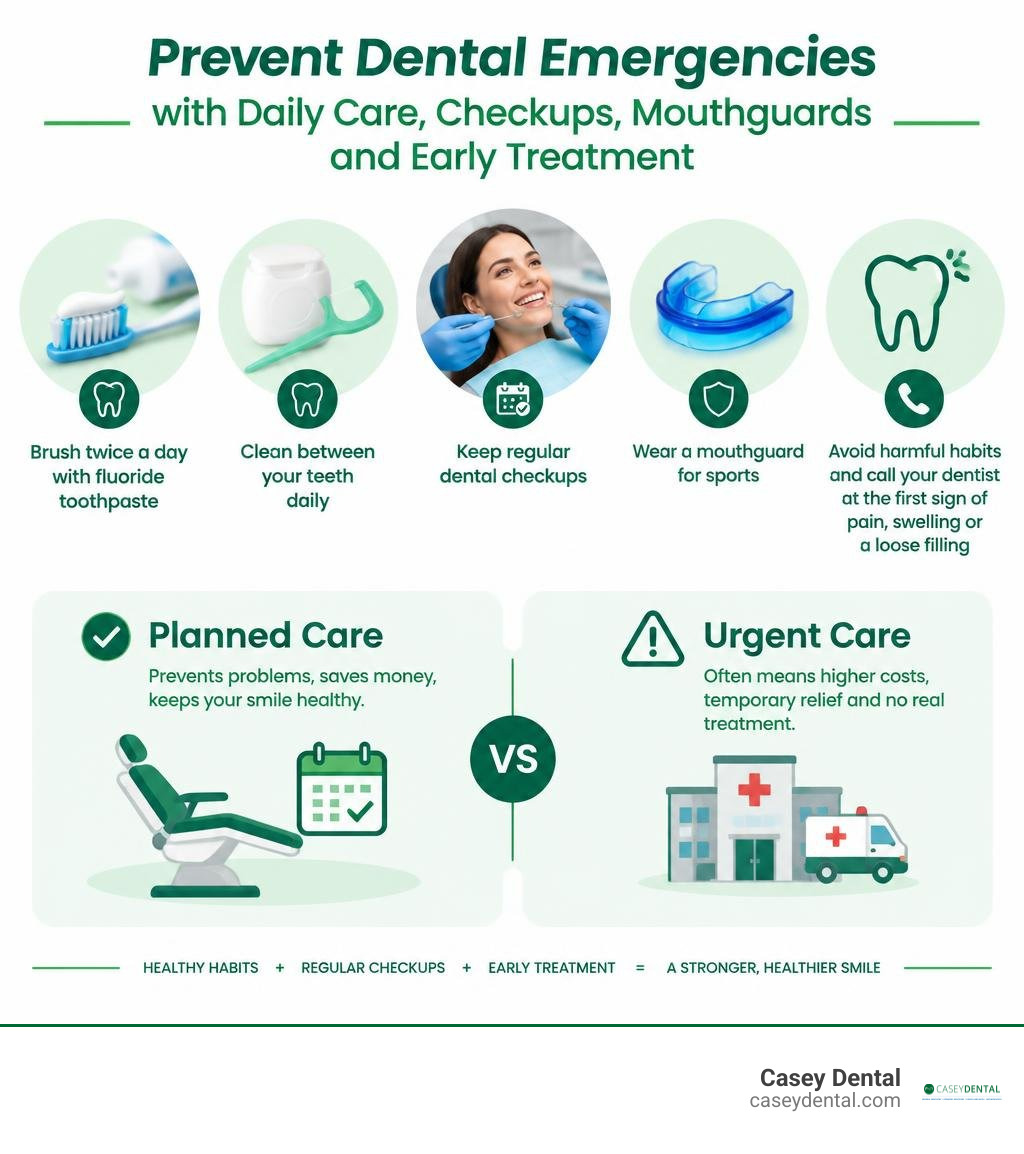
Dental-related emergency room visits place a massive burden on our healthcare infrastructure—costing an estimated $1.6 billion annually nationwide. Most of these hospital visits only result in temporary pain medication or antibiotics rather than actual dental treatment, because hospitals are rarely equipped with specialized restorative dental equipment. Learning how to stay ahead of oral health issues protects your comfort, saves your hard-earned money, and preserves your natural smile for life.
Understanding Common Causes and Warning Signs: How to Prevent Dental Emergencies
Dental emergencies generally fall into two broad categories: sudden physical trauma and the sudden culmination of chronic, untreated decay or infection. While a stray baseball or accidental slip on icy pavement can happen in an instant, the vast majority of urgent dental appointments result from progressive conditions that brewed beneath the surface for months.
Understanding the difference between an immediate crisis and a manageable concern is key to taking the right action. Here is how urgent and non-urgent dental situations compare:
| Situation | Clinical Urgency Level | What Is Happening | Immediate Recommended Action |
|---|---|---|---|
| Knocked-Out (Avulsed) Tooth | Critical Emergency | Permanent tooth completely dislodged from socket | Locate tooth, keep moist in cold milk, and see dentist within 30–60 minutes |
| Severe Abscess with Facial Swelling | Critical Emergency | Active bacterial infection spreading through bone/tissue | Call your dentist immediately; seek ER care if breathing or swallowing is impaired |
| Uncontrolled Oral Bleeding | Critical Emergency | Continuous hemorrhaging due to laceration or deep trauma | Apply firm gauze pressure; seek same-day clinical emergency intervention |
| Chipped Tooth (No Pain) | Non-Urgent Issue | Minor enamel loss without pulp or nerve involvement | Schedule a routine appointment; avoid biting hard foods on that side |
| Mild Sensitivity to Cold | Non-Urgent Issue | Early enamel erosion or minor gum recession | Monitor symptoms, use desensitizing paste, and discuss at next checkup |
| Lost Filling (No Pain) | Semi-Urgent Issue | Restoration dislodged; dentin exposed but stable | Keep area clean; call for an appointment within a few days to prevent decay |
Knowing how to evaluate your symptoms makes a huge difference. When assessing whether a dental problem requires immediate same-day attention, distinguishing emergencies that can wait from urgent crises helps you stay calm and take appropriate action.
Early warning indicators are your body’s alarm system. Teeth rarely break or flare up into excruciating pain without dropping subtle hints first. Mild, lingering sensitivity to temperature changes, bleeding along the gumline when brushing, or a faint sensation of pressure when biting down are clear signs that dental structures are under stress.
Identifying Subtle Symptoms Before Crises Escalate: How to Prevent Dental Emergencies at Home
At-home prevention begins with regular self-awareness. When brushing and flossing, pay attention to how your teeth and gums feel. Minor gum inflammation (gingivitis), slight discoloration on biting surfaces, or a feeling that dental floss is constantly catching or shredding between specific teeth often signals a damaged restoration or hidden interproximal cavity.
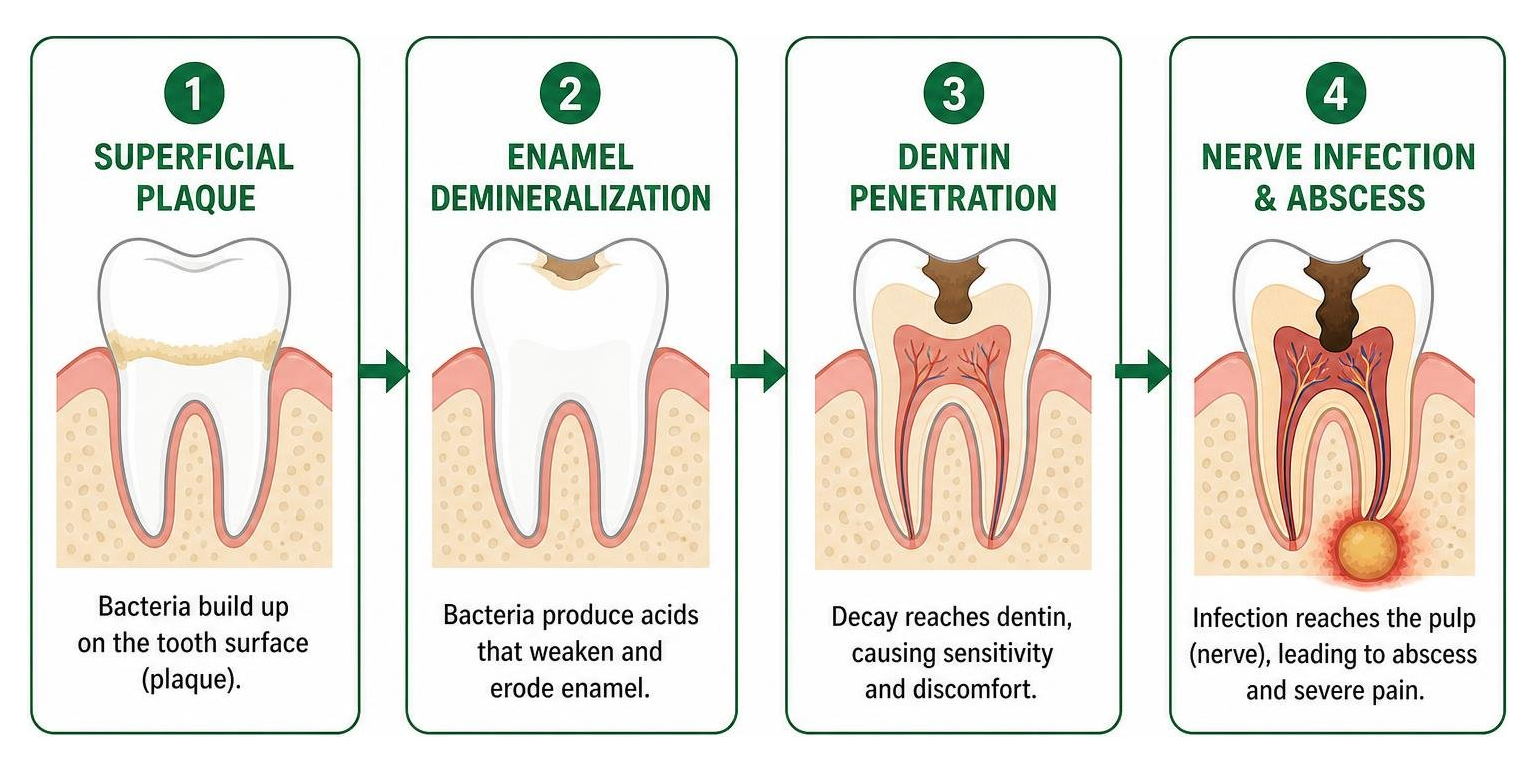
By decoding early tooth decay and cavity signs, you can address minor enamel demineralization before it penetrates deep into the pulp chamber. When tooth decay reaches the delicate inner nerve, mild sensitivity rapidly transforms into throbbing, sleepless nights.
According to NHS clinical guidelines on persistent toothaches, any tooth pain lasting longer than two days, or pain accompanied by fever, localized swelling, or a foul taste in your mouth, requires prompt professional dental evaluation. Waiting for the pain to become unbearable often turns what could have been a simple filling into a complex root canal or emergency extraction.
Protecting Against Structural Tooth Damage: How to Prevent Dental Emergencies from Everyday Habits
Even healthy, cavity-free teeth have structural limits. Enamel is the hardest biological substance in the human body, but it is brittle and prone to micro-fractures under improper stress.
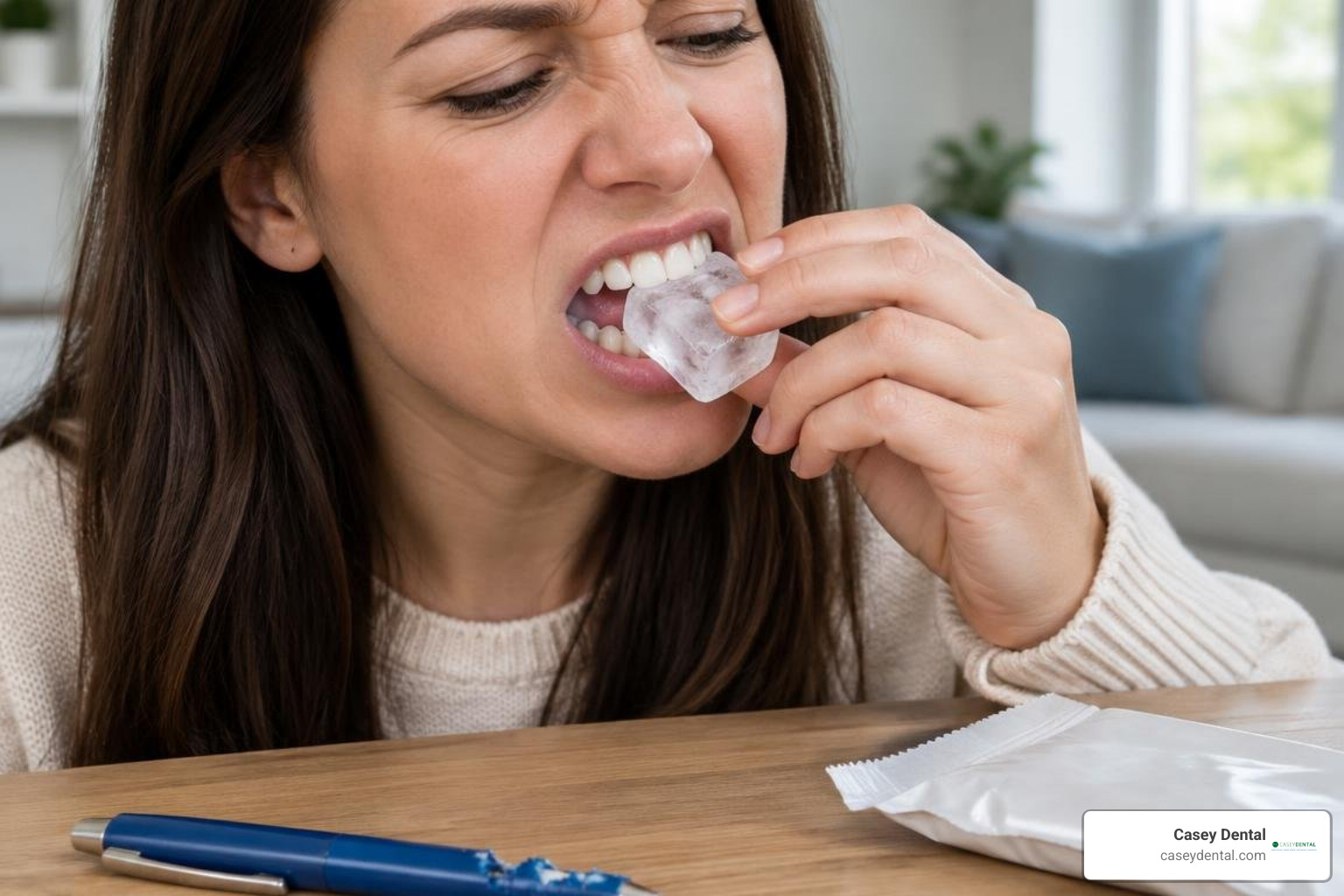
To protect your teeth from structural fractures, eliminate these common damaging habits:
- Using teeth as cutting tools: Never use your teeth to open plastic packaging, rip clothing tags, cut tape, or crack nutshells. Keep a pair of scissors or a utility knife nearby instead!
- Chewing on hard objects: Biting down on solid ice cubes, unpopped popcorn kernels, hard candies, or pen caps can instantly shear off a tooth cusp or fracture a porcelain crown.
- Chewing on hard pens or fingernails: Chronic nervous biting creates repetitive stress, leading to fine craze lines in enamel that deepen over time into severe cracks.
- Ignoring nocturnal bruxism: Chronic nighttime clenching and grinding exerts hundreds of pounds of pressure per square inch across chewing surfaces. Over time, bruxism wears down enamel, loosens fillings, and causes sudden structural tooth failure.
If you wake up with morning jaw stiffness, frequent temple headaches, or flattened biting edges, speak with your dentist about a custom-fitted occlusal night guard. A professionally crafted night guard evenly distributes bite forces and absorbs nocturnal clenching stress, preventing unexpected fractures.
Daily Hygiene and Professional Preventive Protocols
Consistent daily hygiene is your most powerful defense against sudden toothaches, infections, and periodontal flare-ups. Removing bacterial biofilm twice a day prevents oral bacteria from producing the corrosive acids that eat through enamel and inflame delicate gum tissues.
For comprehensive daily protection, follow the NYS Dental Association recommendations for daily home oral care:
- Brush for two full minutes, twice daily: Hold a soft-bristled toothbrush at a 45-degree angle toward your gumline. Use gentle, circular strokes across outer, inner, and chewing surfaces. Brushing too aggressively can wear away enamel and cause gum recession.
- Clean between teeth daily: Dental floss, interdental brushes, or water flossers remove plaque and food debris from tight spaces where toothbrushes cannot reach.
- Use ADA Seal-approved fluoride products: Fluoride actively remineralizes weakened enamel, reversing early acid damage and making teeth more resistant to decay.
- Replace your toothbrush regularly: Swap out manual brushes or electric brush heads every 3 to 4 months, or sooner if the bristles become frayed. Frayed bristles lose cleaning efficiency and can irritate your gums.
To support your daily hygiene routine, we carry premium preventive oral care products in our patient dental store, including therapeutic rinses and specialized brushes.
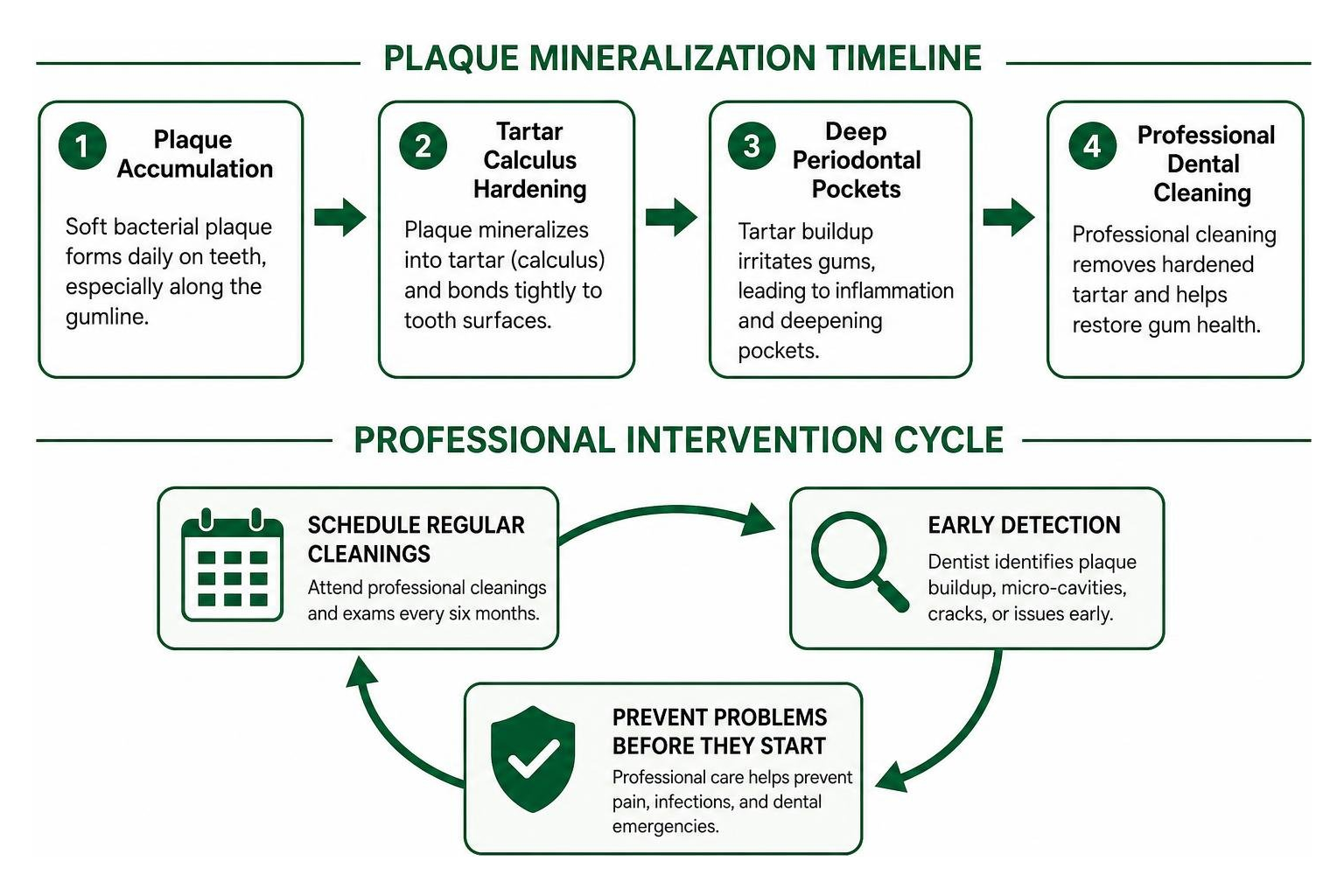
Daily home care must be paired with regular clinical maintenance. Even diligent brushers cannot remove hardened calculus (tartar) once it calcifies on tooth surfaces. Attending routine professional cleanings and examinations every six months allows our hygiene team to clear tartar and lets our dentists spot micro-cavities, hairline cracks, or failing restorations long before they turn into painful emergencies.
Protective Gear and Sports Injury Prevention
Athletic and recreational injuries account for a substantial percentage of all dental emergencies. A single unexpected blow from an elbow, ball, or hard surface can instantly chip, loosen, or knock out multiple teeth.

Wearing a properly fitted mouthguard during any sport with a risk of facial contact significantly reduces the likelihood of severe oral trauma. While over-the-counter “boil-and-bite” mouthguards offer basic coverage, custom-fabricated athletic mouthguards provide superior shock absorption, stay securely in place during collisions, and do not restrict breathing.
A custom mouthguard creates a protective cushion that disperses impact forces across your entire dental arch. This minimizes the risk of fractured teeth, jaw fractures, and painful lacerations to your lips and cheeks.
Emergency Preparedness: First-Aid Protocols and Action Plans
Even with great preventive habits, accidents can still happen. Knowing exactly what to do in the first few minutes of a dental injury can mean the difference between saving and losing a tooth.
Review these immediate first-aid protocols for common dental crises:
- Knocked-out (avulsed) permanent tooth: Pick up the tooth only by its chewing crown—never touch the sensitive root surface. If dirty, rinse it gently with milk or sterile saline for no more than 10 seconds. Do not scrub it or wrap it in dry tissue. If possible, gently slide the tooth back into its socket and hold it in place with a clean cloth. If reinsertion is not possible, immerse the tooth in cold cow’s milk, sterile saline, or an ADA-accepted Save-a-Tooth preservation kit. The first 10 to 60 minutes are critical for saving the periodontal ligament cells needed for successful reimplantation.
- Fractured or broken tooth: When handling a broken or fractured tooth, immediately rinse your mouth with warm water to clear debris. Save any broken tooth fragments in cold milk and bring them to your dentist. Apply a cold compress to your cheek to control facial swelling.
- Severe toothache or dental abscess: A sudden, throbbing toothache accompanied by localized swelling or a pimple-like bump on your gums often signals a deep bacterial infection. Rinse gently with warm salt water and seek specialized emergency care for dental abscesses. Never place aspirin directly against the gum tissue, as this can cause a chemical burn.
For detailed trauma instructions, consult the official ADA guidelines on managing knocked-out teeth and trauma.
Building a Home Dental Emergency Kit
Keep a dedicated dental emergency kit alongside your family’s standard first-aid supplies. Be sure to include:
- A clean, airtight container with lid
- Sterile gauze pads and cotton rolls
- An ADA-accepted tooth preservation system (such as Save-a-Tooth)
- A small bottle of sterile saline solution
- Wax or temporary dental cement
- A cold compress pack
- The emergency contact phone number for Casey Dental
Frequently Asked Questions About Preventing Dental Crises
What should I do in the first 10 minutes if a permanent tooth is knocked out?
Handle the tooth strictly by its top chewing surface (the crown) and avoid touching the root. If dirty, rinse it briefly with cold milk or sterile saline without scrubbing. Gently reinsert it into the open socket if possible, or place it in a container of cold milk to keep the root cells hydrated. Contact your dentist immediately—teeth replanted within 10 to 30 minutes have the highest rate of long-term retention.
How does night teeth grinding lead to an unexpected dental emergency?
Chronic nocturnal bruxism generates intense clenching forces while you sleep. Over time, this repetitive pressure strips away protective enamel, weakens existing restorations, and creates microscopic stress cracks throughout tooth structures. Eventually, biting down on something relatively soft can cause a weakened tooth cusp to break off entirely, potentially exposing the inner nerve. A custom occlusal night guard provides a protective barrier that absorbs and redistributes these forces.
When is a dental issue considered a true emergency requiring immediate care?
A dental issue is an urgent emergency if you experience uncontrolled bleeding, severe facial trauma, severe pain that does not respond to medication, or swelling in your jaw or neck that affects your ability to breathe or swallow. If swelling impairs your airway, go to the nearest hospital emergency room right away. Non-emergency issues—such as a small chip with no pain or managing lost fillings or loose crowns without discomfort—can typically be treated during normal office hours within a few days.
Conclusion
Preventing dental emergencies comes down to everyday habits: thorough daily brushing and flossing, protecting your teeth during physical activities, breaking tooth-damaging chewing habits, and keeping regular preventive dental exams. Addressing minor oral health changes early protects your smile from sudden pain and spares you the stress and cost of emergency treatments.
At Casey Dental, our team is dedicated to providing comprehensive, compassionate preventive and restorative care for your entire family. If you experience unexpected tooth pain, facial trauma, or suspect a developing oral infection, contact our office right away to schedule an appointment with our team for prompt, gentle emergency dentistry services in Pittston PA. We are here to protect your comfort, restore your oral health, and keep your smile bright and healthy.