Comprehensive Orthodontics in NEPA: Benefits and Modern Treatment Options
When people think about seeking an orthodontist, they often focus on cosmetic benefits like achieving a picture-perfect smile. While straight teeth certainly boost self-esteem and facial symmetry, the true value of comprehensive orthodontic care lies in long-term oral health and systemic well-being. Malocclusion, or a bad bite, can lead to uneven tooth wear, chipped enamel, chronic jaw tension, and difficulty chewing or speaking properly.
When teeth are crowded, overlapped, or rotated, maintaining oral hygiene becomes a daily struggle. Flossing around crooked teeth can be frustrating, and toothbrush bristles often miss hidden nooks where plaque accumulates, drastically increasing the risk of gum disease and decay. By correcting alignment, orthodontic care creates a balanced dental arch where teeth naturally distribute bite force evenly and are significantly easier to keep clean.
Proper orthodontic care also extends beyond the surface of your teeth to the structural alignment of your jaw. Uncorrected bite issues can cause premature wearing down of enamel, leaving inner tooth layers vulnerable to sensitivity. Furthermore, proper jaw positioning supports facial structures, ensuring long-term facial balance as you age.
Traditional Braces and Clear Aligners
Today’s patients seeking orthodontics nepa solutions have access to advanced treatment options designed for various lifestyles and clinical needs. Understanding everything you need to know about teeth braces helps simplify your path to a healthier smile.
- Traditional Metal Braces: Metal brackets remain a gold standard for severe crowding, significant bite misalignments, and complex rotation needs. Modern metal braces feature smaller, lower-profile brackets that cause much less irritation than older versions.
- Ceramic Braces: For those who prefer a less noticeable fixed option, ceramic braces use tooth-colored or clear brackets that blend seamlessly with natural enamel while delivering the same strong structural control as metal braces.
- Clear Aligners (Invisalign): Custom-made invisalign trays offer a virtually invisible, removable alternative. Patients can take out their aligners to eat, brush, and floss normally, making them a popular pick for busy adults and teens alike.
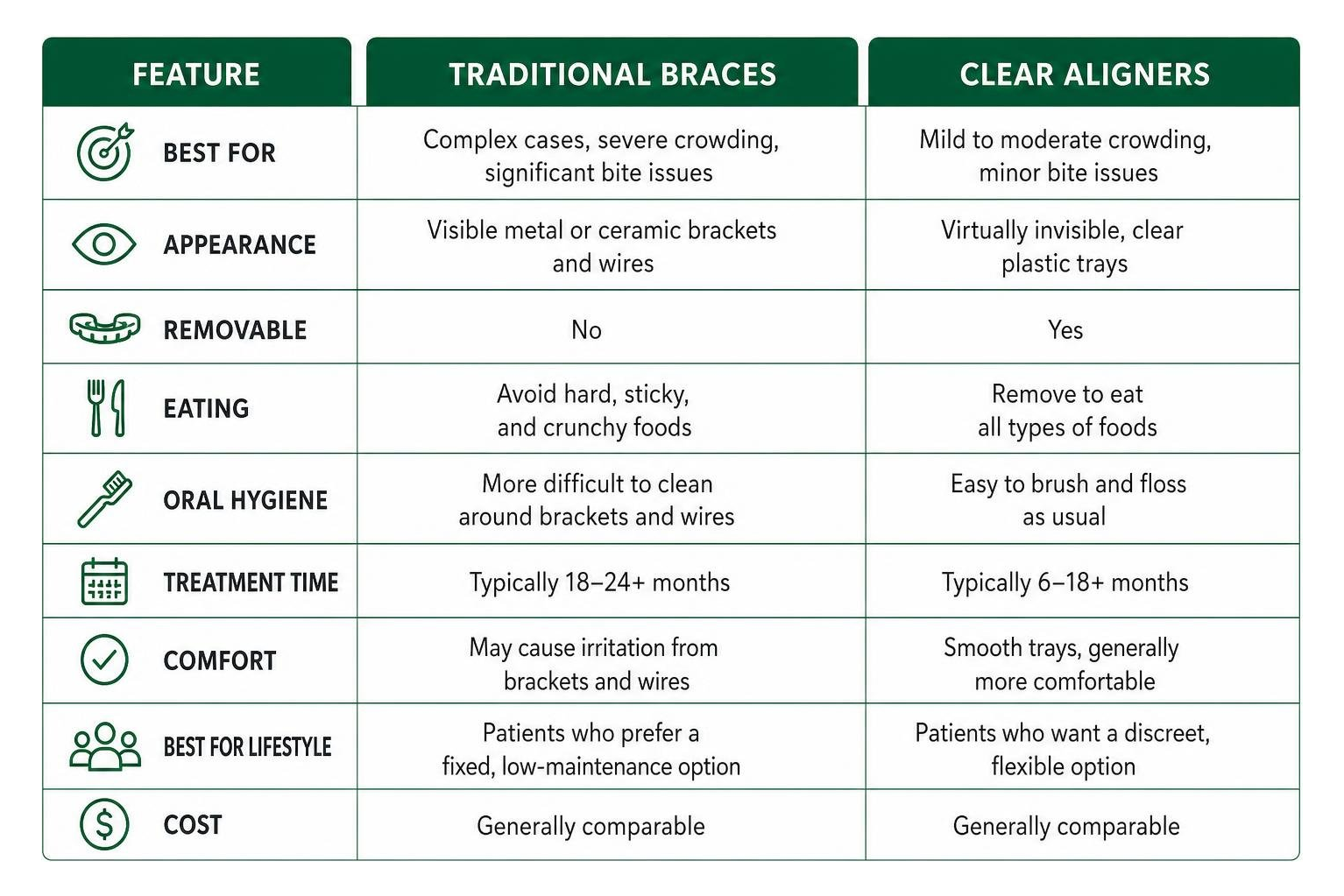
When weighing options, reviewing invisalign vs braces key differences to help you decide or invisalign or braces which treatment is right for you ensures you make an informed choice based on lifestyle, budget, and treatment goals. Exploring the ins and outs of braces reveals that both modern clear aligners and fixed appliances are engineered to move teeth gently, predictably, and efficiently.
Airway Orthodontics, Sleep Apnea, and TMJ Relief
One of the most movements in dentistry today is airway-centered orthodontics. Rather than focusing solely on straightening teeth, airway orthodontics addresses the structural health of the entire upper airway, mouth, and jaw system. Specialized providers like TMJ · Sleep · Airway Orthodontics highlight how the positioning of the maxilla (upper jaw) and mandible (lower jaw) directly influences how easily air passes into the lungs.
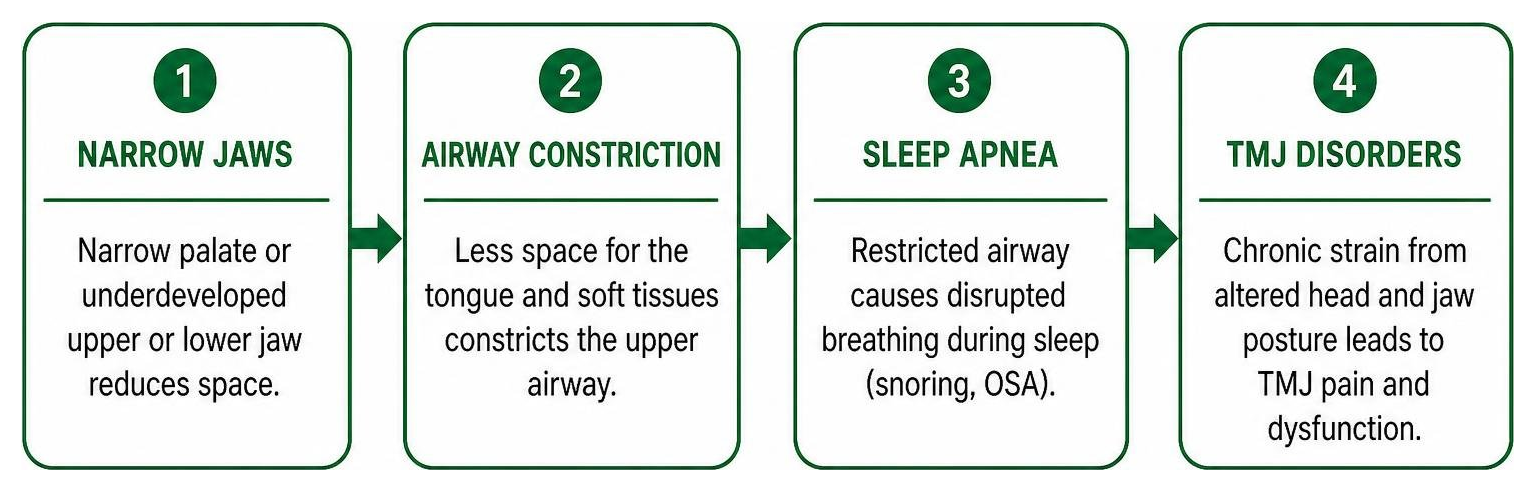
A narrow palate or underdeveloped lower jaw can force the tongue backward toward the throat, constricting the upper airway. This anatomical restriction is a primary driver of sleep-disordered breathing, mouth breathing, chronic snoring, and obstructive sleep apnea (OSA) in both children and adults. Restrictive airways force individuals to alter their head and jaw posture to breathe during sleep, putting immense strain on the temporomandibular joint (TMJ).
This chronic tension frequently manifests as TMJ disorders (TMD), characterized by:
- Persistent morning headaches and debilitating migraines
- Clicking, popping, or painful jaw joints
- Sore facial muscles, stiffness, and neck pain
- Unexplained earaches or ringing in the ears (tinnitus)
Through expansion appliances, growth guidance, and specialized aligner protocols, airway orthodontics widens the palate and repositions the jaw forward. This widens the nasal passage and opens the upper airway, resolving airway obstruction and relieving pressure on the TMJ without always requiring invasive surgery.
Tailored Care Across Every Age Group
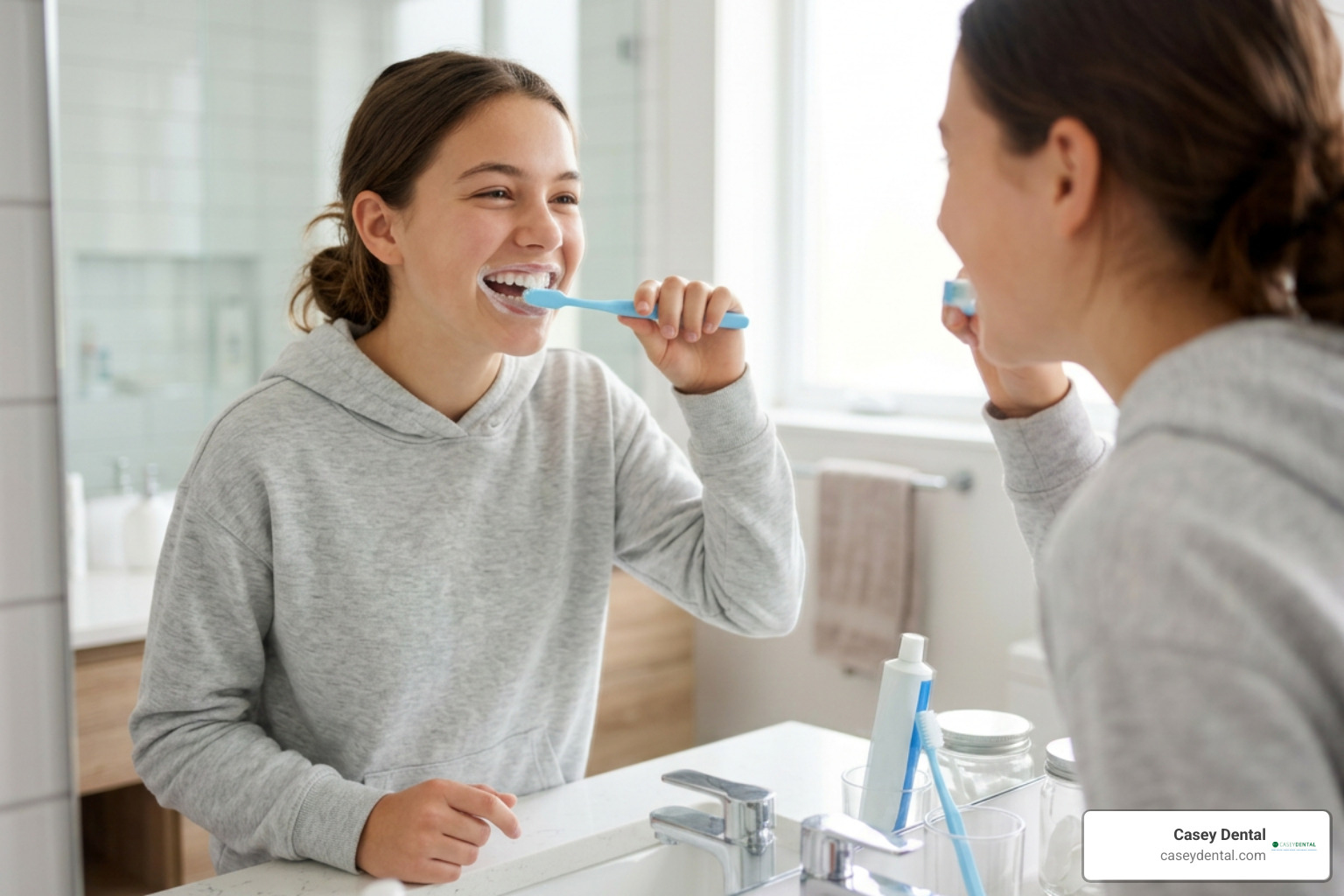
Orthodontic needs change dramatically across different stages of life. Whether guiding growth in early childhood or repairing decades of wear in adulthood, modern orthodontic care tailors its approach to meet each patient’s stage of development.
Early and Teen Orthodontics
Parents frequently ask about the ideal timeline for scheduling an initial evaluation. The American Association of Orthodontists recommends that children undergo their first orthodontic evaluation around age 7, though early evaluations can occur around age 6 if breathing, speech, or bite issues arise. Knowing when to see an orthodontist gives parents peace of mind and sets children up for long-term oral wellness.
Early phase-one treatment during childhood focuses on phase-guided development:
- Guiding Jaw Growth: Expanders can widen narrow palates while jaw bones are soft and pliable, correcting crossbites and making room for adult teeth.
- Preventing Impacted Teeth: Creating adequate space prevents adult teeth from becoming trapped beneath the gumline.
- Addressing Habits: Intervening early stops thumb-sucking or tongue-thrusting habits from warping facial bone structure.
For adolescents, teen orthodontic care focuses on full alignment once permanent teeth arrive. Navigating braces for teens what parents and teens should know and accessing specialized teen dental care or adolescent dentistry ensures your child receives support through high school years with options like ceramic braces or clear aligners.
Options for Adult Alignment
If you missed out on braces as a kid or noticed your teeth shifting with age, you aren’t alone. Today, adults make up a significant portion of all orthodontic patients nationwide. Treating malocclusion in adulthood does more than enhance aesthetics; it prevents long-term enamel wear and protects bone health around aging teeth.
Adults looking for options can explore our braces for adults guide 2026 and the ultimate guide to braces for adults to learn how modern treatments adapt to adult lifestyles. Discreet options allow professionals to straighten their smiles without feeling self-conscious in the workplace:
- Invisible Aligners: Removable, smooth trays fit around your schedule, allowing comfortable presentations and easy dining.
- Clear Braces: Ceramic systems offer maximum structural leverage with minimal visual footprint.
- Targeted Bite Correction: Fixing deep bites or crossbites eliminates localized gum wear and reduces chronic TMJ discomfort.
What to Expect: Timeline, Tech, and Finding the Best Care
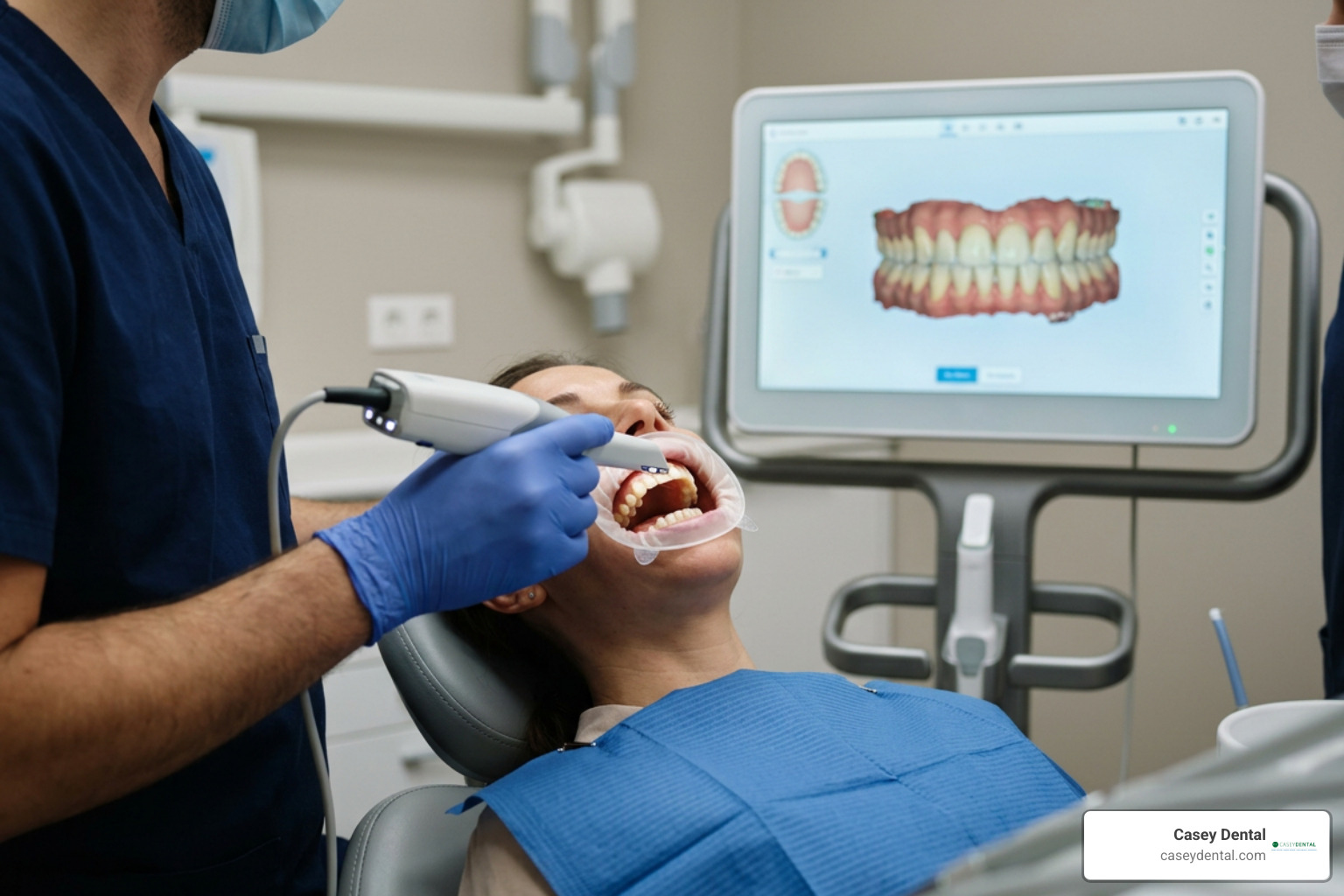
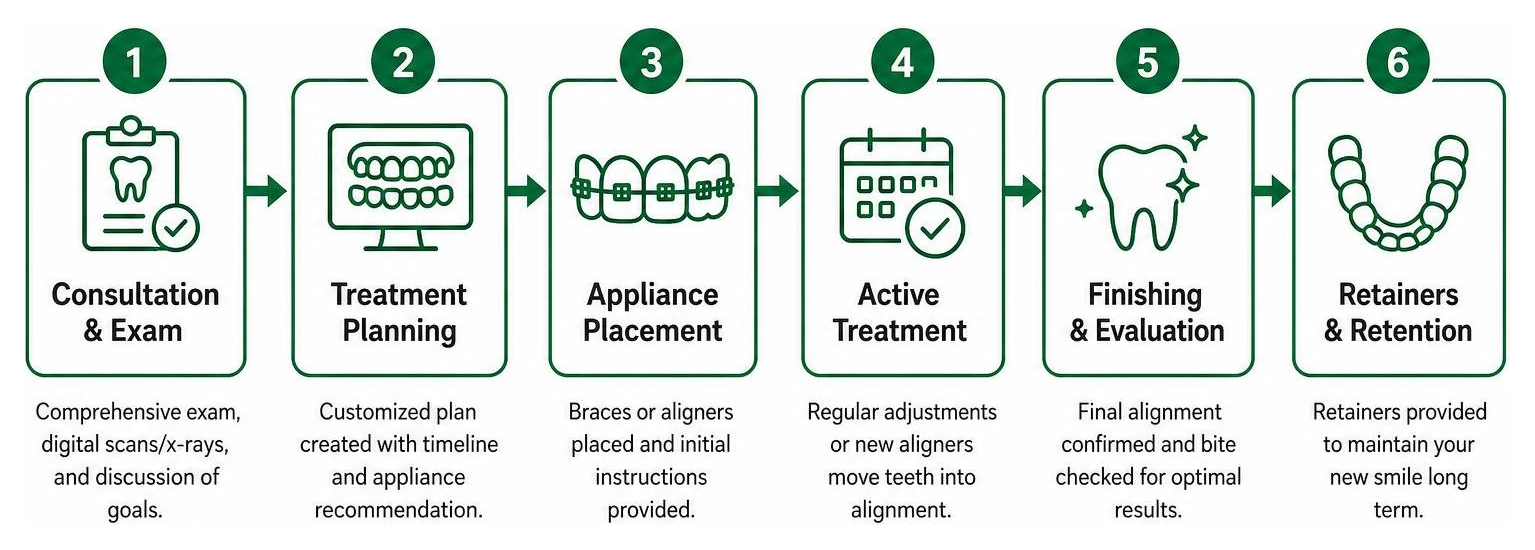
Embarking on an orthodontic journey is an exciting decision, but knowing what lies ahead makes the process smooth and stress-free.
Choosing the Right Specialist for Orthodontics in NEPA
Choosing an orthodontic provider is a key health decision. To get optimal results, seek out a team that offers:
- Board Certification: Board-certified orthodontists complete rigorous voluntary examinations beyond standard dental degrees to demonstrate mastery in bite correction and facial orthopedics.
- Extensive Clinical Experience: Experienced practitioners easily adapt treatment plans when complex bone or root issues occur.
- Advanced Technology: Look for offices utilizing 3D digital intraoral scanners (such as iTero), digital X-rays, and computer-guided treatment simulation. 3D digital scans replace gooey, uncomfortable impression trays and allow patients to view a virtual simulation of their completed smile before treatment even begins!
- Positive Patient Reviews: High satisfaction scores reflect friendly staff, timely appointments, and clear communication. Practices with high local ratings show a proven commitment to community care.
- Flexible Financing Options: Practices offering flexible, low-interest or 0% APR financing options make quality care accessible to local families.
Selecting a practice that integrates orthodontic care into broad family dentistry and comprehensive services streamlines appointments for your entire household.
Investing in Your Smile: Cost and Coverage for Orthodontics in NEPA
Understanding treatment costs helps eliminate surprises. The overall investment depends on factors such as case complexity, expected duration, and chosen appliance types.
| Treatment Modality | Estimated Timeline | Factors Influencing Investment |
|---|---|---|
| Phase I Early Expansion | 6 to 12 months | Jaw arch width, early tooth crowding |
| Comprehensive Metal Braces | 12 to 24 months | Bite complexity, severity of rotation |
| Invisalign Clear Aligners | 10 to 18 months | Aligner compliance, number of tray stages |
| Complex Airway Orthodontics | 12 to 30 months | Expansion needs, TMJ realignment protocols |
Reviewing the cost of braces alongside understanding braces cost factors that influence orthodontic treatment provides clarity on your financial plan. Similarly, reviewing the cost of invisalign and invisalign vs braces cost in 2025 what you should expect to pay helps you plan effectively.
Many dental insurance policies offer dedicated orthodontic benefits that cover a portion of treatment. Reading up on does insurance cover braces what you need to know before starting treatment and what dental insurance covers braces helps maximize your coverage. Flexible payment plans, HSA/FSA funds, and extended monthly options ensure high-quality care fits your budget.
Frequently Asked Questions About Orthodontic Care
How long does the average orthodontic treatment take?
Treatment duration varies based on individual bite complexity, jaw movement speed, and patient compliance. On average, standard orthodontic care ranges from 12 to 24 months. Minor alignment tweaks with clear aligners may take as little as 6 months, whereas complex surgical or airway cases may extend up to 30 months. To learn more about clear aligner timelines, read how long does invisalign take. Staying consistent by wearing aligners 22 hours a day and avoiding damaged brackets helps keep your treatment right on schedule!
Does getting braces or clear aligners hurt?
Orthodontic treatment should never cause severe pain. However, when brackets are first applied or new aligners are inserted, patients typically feel mild tenderness or a feeling of pressure for 2 to 4 days. This sensation simply means your teeth are safely beginning to move into alignment! Mild symptoms are easily managed with over-the-counter pain relievers, soft foods, and orthodontic relief wax. Read does invisalign hurt to discover effective tips for minimizing aligner discomfort.
Why should children have an orthodontic evaluation early?
Early evaluation allows specialists to spot subtle structural issues in growing jaw bones before permanent teeth fully emerge. Early palatal expansion can correct crossbites, prevent overcrowding, stop thumb-sucking habits, and widen restricted airways while facial structures respond easily to physical guidance. Early intervention reduces treatment complexity and often eliminates the need for adult tooth extractions or surgical jaw realignments later in life.
Transform Your Smile with Casey Dental
Ready to begin the journey to perfect teeth alignment expert solutions for smiles? Achieving a healthy, confident smile has never been easier for families in Northeastern Pennsylvania. Whether you are looking for straight talk how to fix your crooked teeth for good, seeking the best braces in pittston pa, looking for local invisalign pittston providers the complete list, or searching for invisalign options in Pittston, Casey Dental delivers complete, patient-focused care under one roof.
Our experienced, compassionate team provides top-quality orthodontic aligners, conventional braces, and comprehensive dental support in a welcoming, family-friendly setting in Pittston, PA. If you or a family member experience urgent dental trauma or broken appliances, we also offer prompt emergency dental care to restore comfort when you need it most.
Don’t wait to address bite issues, chronic jaw tightness, or alignment concerns. Contact us today to book your initial consultation! You can also explore specialized mouthguards, retainers, and oral hygiene accessories directly through our online dental store accessories. Let our family care for yours—schedule your visit today!